Are Your Cleaning Products Triggering Allergies?
Your Home Should Help You Breathe Easier, Not Harder
Here's the thing: you spend hundreds of dollars on air purifiers and allergy medications, yet you might be missing the biggest culprit hiding in plain sight. Those "fresh-scented" cleaning products under your sink could be turning your home into an allergen factory.
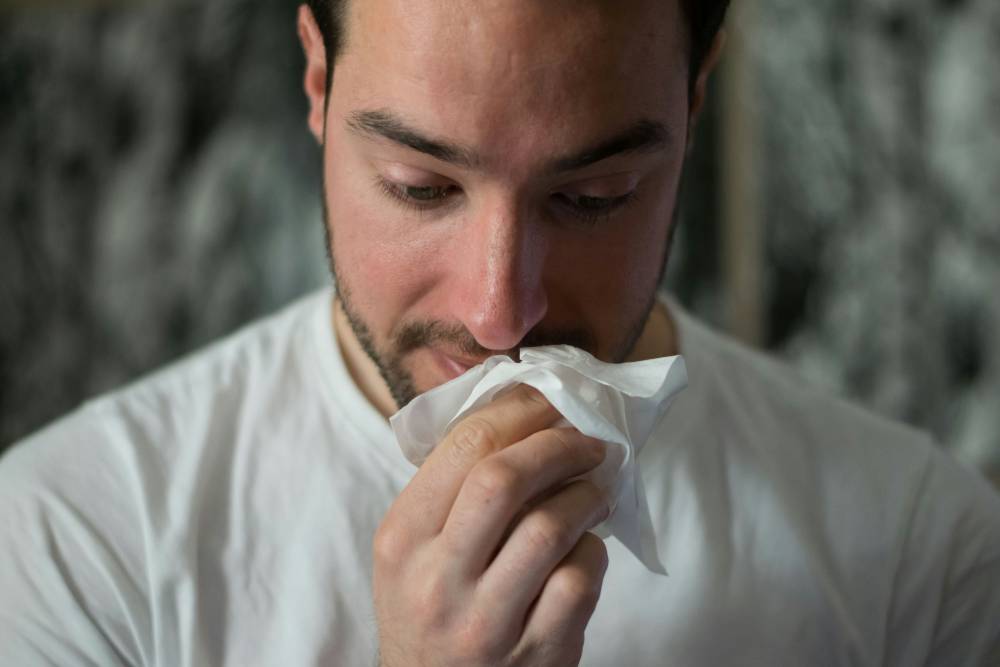
If you've ever noticed your eyes watering or your throat feeling scratchy right after cleaning day, you're not imagining things. Traditional cleaning products are loaded with harsh chemicals that trigger allergic reactions in millions of people. And in a city like NYC, where we're already dealing with pollution and poor air quality, the last thing you need is your own home working against you.
You're about to discover why allergy-friendly cleaning matters more than you think, what makes certain cleaning methods safer than others, and how professional services can transform your living space into the sanctuary it should be.
What Makes Traditional Cleaning Products So Problematic?
Look, most conventional cleaning products contain a cocktail of chemicals that sound like they belong in a science lab, not your living room. Ammonia, bleach, synthetic fragrances, and volatile organic compounds (VOCs) are just the beginning.
These substances don't just clean and disappear. They linger in the air for hours, sometimes days. They settle into your carpets, upholstery, and curtains. Every time you walk across your freshly cleaned floor or sit on your couch, you're releasing these particles back into the air you breathe.
The symptoms can range from annoying to debilitating. Sneezing, coughing, headaches, skin rashes, and respiratory irritation are common complaints. For people with asthma or existing allergies, the effects can be even more severe. Children and elderly family members are particularly vulnerable.
But here's what matters most: you don't have to choose between a clean home and your health.
The Real Difference Between Regular and Allergy-Friendly Cleaning
Allergy-friendly cleaning isn't just about swapping one product for another. It's an entirely different approach that considers every aspect of the cleaning process.
Traditional cleaning focuses on surface-level appearance and that "clean smell" that's actually fragrance chemicals. Allergy-friendly cleaning prioritizes removing allergens while avoiding harsh irritants. The goal is genuinely clean air and surfaces, not just the illusion of cleanliness.
Professional allergy-friendly services use products certified as hypoallergenic, fragrance-free, and low in VOCs. Many are plant-based or made from natural ingredients like vinegar, baking soda, and essential oils. These products clean just as effectively without the negative side effects.
The cleaning technique matters too. High-efficiency particulate air (HEPA) filtration vacuums trap 99.97% of particles, including dust mites, pollen, and pet dander. Microfiber cloths capture more dust and bacteria than traditional cleaning rags. Even the water temperature and rinsing methods are considered to ensure no residue remains.
Why NYC Homes Need Extra Attention
Living in New York City presents unique challenges. The constant construction, traffic pollution, and close quarters with neighbors mean more contaminants entering your home daily.
Older NYC buildings often have additional issues. Dust accumulates in radiators and window units. Aging ventilation systems circulate allergens throughout apartments. Lead paint and asbestos in pre-war buildings require careful, specialized cleaning approaches.
High-rise living adds another layer of complexity. You can't always control what your neighbors use for cleaning, and shared ventilation systems can spread chemical fumes between units. That makes controlling what happens inside your space even more critical.
Cleaning Service NYC professionals who understand these unique challenges can make a remarkable difference in your home's air quality and overall cleanliness.
Common Allergens Lurking in Your Home
You might be surprised by what's actually triggering your symptoms. Dust mites top the list—microscopic creatures that feed on dead skin cells and thrive in bedding, upholstered furniture, and carpets. A single gram of dust can contain up to 1,000 dust mites.
Pet dander is another major culprit, and it's not just the fur. The proteins in pet saliva, urine, and skin cause reactions. These particles are incredibly light and remain airborne for extended periods.
Mold spores flourish in humid NYC bathrooms and kitchens. Even small amounts of moisture behind walls or under sinks can create breeding grounds. Cleaning products that don't properly address mold can actually spread spores throughout your home.
Pollen doesn't stay outside. It hitchhikes indoors on clothing, shoes, and pets. It settles on every surface and gets kicked back into the air with normal activity.
Cockroach droppings and body parts are particularly problematic in urban environments. These allergens are potent triggers for asthma and allergic reactions.
What Professional Allergy-Friendly Cleaning Actually Includes
Professional services go far beyond what most people can accomplish with weekend cleaning sessions. The systematic approach addresses every potential allergen source.
The process typically starts with HEPA-filtered vacuuming of all floors, furniture, and even walls. This removes the bulk of dust, dander, and other particles before wet cleaning begins. Standard vacuums just blow allergens back into the air, but HEPA filters trap them completely.
Surface cleaning with hypoallergenic products follows. Every touchpoint gets attention—doorknobs, light switches, remote controls, cabinet handles. These frequently touched areas harbor surprising amounts of allergens and bacteria.
Bathroom cleaning requires special attention. Mold and mildew must be completely removed, not just covered up with harsh chemicals. Grout, shower curtains, and ventilation fans all need thorough treatment.
Kitchen cleaning focuses on removing food particles that attract pests and create allergen problems. Appliances, backsplashes, and those hard-to-reach spots behind the refrigerator all matter.
Bedroom cleaning is perhaps most critical since you spend a third of your life there. Mattresses, pillows, and bedding harbor enormous quantities of dust mites. Professional cleaning or encasement can dramatically reduce exposure.
The Maid Sailors Difference for Allergy Sufferers
Maid Sailors has built its reputation on understanding exactly what NYC residents need. With over 650 five-star Google reviews, they've demonstrated consistent excellence in serving homeowners and building owners throughout the city.
What sets them apart is their concierge-style service model. You're not just getting cleaners who show up and follow a checklist. You get real-time communication throughout the cleaning process. Need them to pay special attention to a particular room? Want updates on their progress? Just text, email, or call.
Here's something you'll appreciate: they bring all cleaning supplies. You don't need to stock products, worry about running out, or wonder if what you're providing is effective. They use professional-grade, allergy-friendly products consistently.
The trained employee model matters more than you might think. Unlike services that use independent contractors, Maid Sailors employs and trains their entire team. This means better accountability, more reliable service, and clearer communication when you need something specific.
Their 100% satisfaction guarantee backs up their commitment. If something isn't right, they'll return to re-clean problem areas at no charge. No arguments, no hassle.
Comparing Allergy-Friendly Cleaning Options
The numbers tell a compelling story, but they don't capture everything. Professional allergy-friendly cleaning provides expertise you can't easily replicate. Trained cleaners know which products work for specific surfaces, how to avoid cross-contamination, and techniques that maximize allergen removal.
Special Considerations for Medical Offices and Commercial Spaces
If you own or manage a medical office in NYC, the stakes are even higher. Patients with compromised immune systems, respiratory conditions, and severe allergies depend on truly clean environments.
Standard commercial cleaning often prioritizes speed and appearance over genuine allergen removal. That approach doesn't work in healthcare settings where air quality directly impacts patient health.
Medical office cleaning NYC services require specialized knowledge of healthcare standards, proper disinfection protocols, and products that clean effectively without triggering patient reactions. The team needs to understand which areas require extra attention and how to clean around sensitive equipment.
The same principles apply to retail stores, coffee shops, and other commercial spaces where customer comfort and health matter. Employees with allergies also deserve workplaces that don't make them sick.
The Financial Reality of Allergy-Friendly Cleaning
Let's talk about money, because that's often the first objection. Professional cleaning feels like a luxury when you're already paying NYC rent or mortgage prices.
But consider what you're currently spending. How much goes toward allergy medications each month? Doctor visits for recurring respiratory issues? Air purifiers and filters? Lost productivity when allergies make you miserable?
A study from the Asthma and Allergy Foundation found that Americans spend over $18 billion annually on direct medical costs related to allergies. Preventing symptoms is vastly cheaper than treating them.
Professional allergy-friendly cleaning costs vary based on home size and frequency, but transparent flat-rate pricing from services like Maid Sailors means no surprises. You know exactly what you'll pay upfront based on your bedroom count and square footage.
The value becomes even clearer when you factor in time savings. Those 4-6 hours you'd spend cleaning each week could go toward family time, hobbies, or simply resting. In a city where time is money, that matters.
How to Maintain Allergy-Friendly Standards Between Cleanings
Professional cleaning provides the foundation, but daily habits determine how well your home maintains low allergen levels between services.
Shoes off at the door prevents outdoor allergens from spreading throughout your home. It seems simple, but this one change can dramatically reduce pollen, pesticides, and other contaminants tracked inside.
Regular laundering of bedding in hot water kills dust mites and removes allergens. Weekly washing is ideal, though every two weeks is acceptable if weekly feels overwhelming.
Controlling humidity prevents mold growth. NYC apartments can get humid, especially in summer. Dehumidifiers or air conditioners help maintain the 30-50% humidity range that discourages mold and dust mites.
Air purifiers with HEPA filters provide continuous allergen removal between cleanings. Place them in bedrooms and main living areas for maximum benefit.
Immediate spill cleanup prevents mold. That water under the sink or coffee spill on the carpet becomes a problem if left for days.
Choosing the Right Service for Your NYC Home
Not all cleaning services are created equal, even among those claiming to be allergy-friendly. You need to ask the right questions.
What products do they actually use? Generic claims about "green" or "natural" cleaning aren't enough. Ask for specific product names and look up their certifications.
Do they use HEPA-filtered vacuums? This is non-negotiable for true allergy-friendly cleaning. Standard vacuums defeat the purpose.
Are cleaners employees or contractors? Employee models provide better training, consistency, and accountability.
What's their satisfaction guarantee? Companies confident in their service back it up with meaningful guarantees.
Can they accommodate special requests? Your home might have unique allergen triggers that need extra attention.
How do they handle communication? Real-time updates and easy contact methods matter when you have specific health concerns.
The 60-second online booking that Maid Sailors offers demonstrates respect for your time. Complicated scheduling processes suggest outdated business practices.
Signs Your Current Cleaning Approach Isn't Working
Your body tells you when your home's allergen levels are too high. Waking up congested despite sleeping with windows closed signals dust mite problems. Symptoms that improve when you leave home and worsen when you return point to indoor allergens.
Visible dust returning within a day or two of cleaning means it's not being properly removed, just redistributed. That fresh chemical smell that burns your nose isn't cleanliness—it's volatile organic compounds irritating your respiratory system.
Increasing reliance on allergy medications, especially antihistamines and nasal sprays, suggests your environment is the problem. Medications should supplement a low-allergen environment, not compensate for a problematic one.
Children or elderly family members experiencing more frequent respiratory issues often react to indoor air quality before healthy adults notice problems.
The Connection Between Clean Air and Overall Wellness
Here's something doctors don't always emphasize: indoor air quality affects far more than just allergy symptoms. Poor air quality contributes to fatigue, difficulty concentrating, headaches, and even mood problems.
The Environmental Protection Agency identifies indoor air pollution as one of the top five environmental health risks. Indoor air can be 2-5 times more polluted than outdoor air, sometimes reaching 100 times worse in extreme cases.
When you reduce allergens and chemical irritants in your home, you're investing in better sleep, improved cognitive function, and reduced stress. Your immune system stops fighting constant low-level threats and can better handle actual illnesses.
For children, the benefits are even more pronounced. Growing bodies and developing respiratory systems are particularly vulnerable to environmental toxins and allergens. Creating a clean indoor environment supports healthy development.
Making the Switch: What to Expect
Transitioning to allergy-friendly cleaning brings noticeable changes, though they don't all happen overnight. The first professional deep cleaning removes accumulated allergens, but you might experience a temporary increase in symptoms as disturbed particles settle.
Within a week or two, most people notice easier breathing, fewer morning congestion issues, and a reduced need for allergy medications. Sleep quality often improves as nighttime allergen exposure decreases.
After a month of regular allergy-friendly cleaning, symptoms typically decrease significantly. Your baseline improves—those occasional bad days become less severe.
Long-term benefits include fewer sick days, reduced medical expenses, and improved quality of life. The relief of coming home to a space that helps you feel better instead of worse is difficult to overstate.
Frequently Asked Questions
How often should I schedule allergy-friendly cleaning services?
Most allergy sufferers benefit from weekly or bi-weekly professional cleaning. Homes with pets, multiple occupants, or severe allergies do better with weekly service. If allergies are mild and you maintain good daily habits, bi-weekly might suffice. A deep cleaning every three months provides a solid foundation, with regular maintenance cleaning in between.
Are natural cleaning products as effective as chemical cleaners?
Yes, when used correctly by trained professionals. Modern natural and hypoallergenic products have come remarkably far. They effectively remove dirt, bacteria, and allergens without harsh chemicals. The key is proper technique and knowing which products work best for specific situations. Professional cleaners understand these nuances better than most homeowners.
Can allergy-friendly cleaning help with asthma symptoms?
Absolutely. Asthma and allergies are closely connected—allergic reactions often trigger asthma attacks. Reducing indoor allergens like dust mites, pet dander, and mold decreases asthma triggers. Many asthma patients report fewer attacks, reduced medication needs, and better overall control when their homes receive regular allergy-friendly cleaning.
What should I do to prepare for my first allergy-friendly cleaning?
Minimal preparation is needed, which is part of the beauty of professional service. Pick up personal items, secure valuables, and inform the cleaning team about specific allergen concerns or problem areas. If you have known chemical sensitivities, mention them upfront so cleaners can avoid even mild irritants. Otherwise, let the professionals handle everything—they bring all necessary supplies and equipment.
Your Home Can Finally Work For You, Not Against You
The decision to invest in allergy-friendly cleaning isn't just about having a cleaner home. It's about reclaiming your health, comfort, and peace of mind.
You deserve to breathe easily in your own space. Your family deserves an environment that supports wellness rather than undermining it. In a city as demanding as New York, your home should be a refuge, not another source of stress and symptoms.
Professional allergy-friendly cleaning transforms that vision into reality. The combination of proper products, proven techniques, and consistent service creates lasting results that DIY approaches struggle to match.
Whether you're dealing with seasonal allergies, asthma, chemical sensitivities, or just want healthier indoor air, the solution is clearer than you might think. Stop settling for cleaning that looks good but leaves you feeling bad.
Take that 60 seconds to book a service that prioritizes your health as much as your home's appearance. Your respiratory system will thank you, your family will notice the difference, and you'll wonder why you waited so long.
Ready to breathe easier? The first step is simpler than you think.