How Commercial Battery Systems Drive Down Energy Costs
Commercial battery systems are no longer futuristic gadgets. They’re strategic cost‑savvy tools for businesses. When your power bill gets hit by high demand charges. Or unpredictable rates. Storing electricity and deploying it smartly makes a real difference. These systems let you flip the script: buy or generate energy when it’s cheap, use it when it’s pricey, and avoid the shock of peak‑hour pricing. As business energy becomes more complex, commercial battery storage steps in to simplify one major piece of the puzzle in cost control. In the sections that follow you’ll see what these systems do, how they pair with renewables, boost operational reliability, manage loads, and what the future looks like for business energy storage.
What Commercial Battery Systems Do
Commercial battery systems act like a strategic energy bank for your business. They charge when rates are low or generation is abundant, then discharge when costs spike. They handle “peak shaving,” which means reducing those extreme demand charges that often make up large portions of commercial electric bills. Studies show energy storage helps shift usage away from grid peaks and reduces reliance on expensive high‑tariff hours. These systems also allow you to participate in “arbitrage” buy/store low, use / avoid high. Over time, this translates into predictable operational cost savings, less exposure to volatile rates, and a stronger negotiating position with utilities. It’s not just backup. It’s active cost management.
Pairing Batteries with Renewables
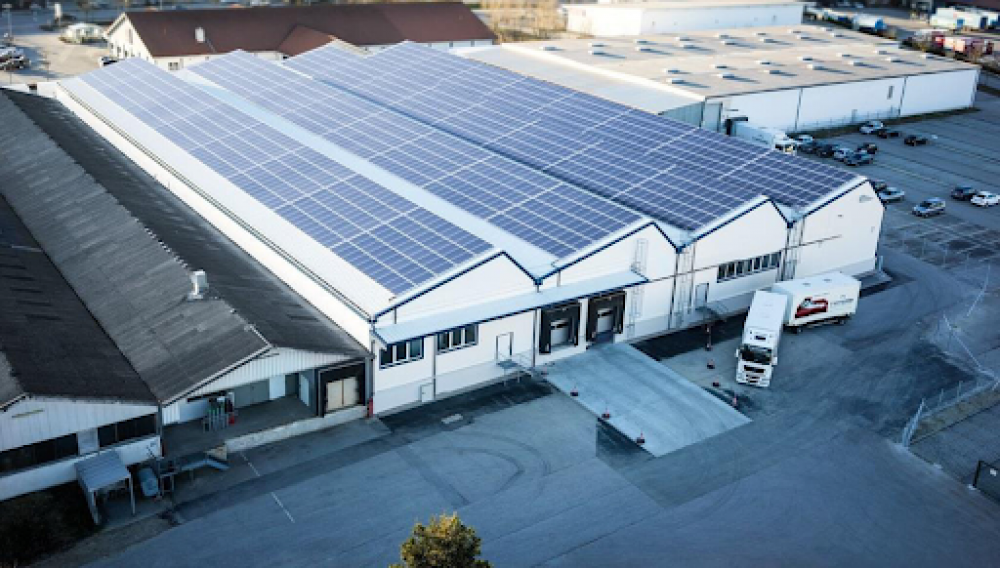
When you combine the commercial battery systems with on‑site renewable generation systems like solar or wind the value increases. Excess energy that is produced during sunny midday hours can be stored in dependable batteries like lifepo4 batteries by NBS and used at night or during cloudy periods. Rather than exported at low rates or wasted. That self‑consumption boost reduces how much power you buy from the grid when rates are high. The integration also helps your business align with sustainability goals while managing energy costs. In effect you’re maximising the return on your renewables investment by adding smart storage that bridges production and consumption. Not leaving either side unconnected.
Improving Operational Reliability
For many businesses, downtime is costly. Whether you’re in manufacturing, data‑centres or retail, reliable power matters. Commercial battery systems provide backup during outages and buffer against grid instability. But beyond that, they help you maintain stable operations when demand spikes or supply disruptions occur. So you avoid premium grid rates or emergency backup diesel costs. This reliability not only saves cost but safeguards reputation, production schedules and customer trust. Investing in storage means you’re not just chasing savings. You’re protecting operations.
Managing Energy Loads More Efficiently
One of the strongest cost‑drivers for businesses is not just how much energy they use but when they use it. Commercial battery systems empower load‑shifting: charge up during low‑cost off‑peak periods, then cut from battery during high‑cost times. This reduces exposure to demand charges and peak rates. It also allows you to manage and flatten your load profile. Less variation means happier utility contracts, fewer surprises, and improved budgeting. With analytics and energy management systems layered in, you can optimize usage in real‑time. The result: energy becomes an asset, not a liability.
The Future of Business Energy Storage
The commercial battery revolution is only gaining speed. Costs are falling, systems are more modular, smarter software is emerging, and regulatory incentives are aligning with storage adoption. As this happens, the value‑proposition shifts: storage is not just cost‑avoidance but revenue‑enabling. Think demand‑response, grid services, and flexible energy markets. Businesses that invest now build advantage: more resilient operations, cleaner energy profiles, and stronger control over their electricity spend. In short, commercial battery systems are evolving from reactive backup to proactive strategic asset.
Conclusion
Commercial battery systems transform how businesses view energy. They turn an unpredictable cost into a manageable, strategic asset. By shaving peaks, boosting renewables, improving reliability and managing loads smartly, these systems drive down energy costs while strengthening operations. The future is clear: if you’re serious about energy‑efficiency and cost‑control, battery storage deserves your attention now.