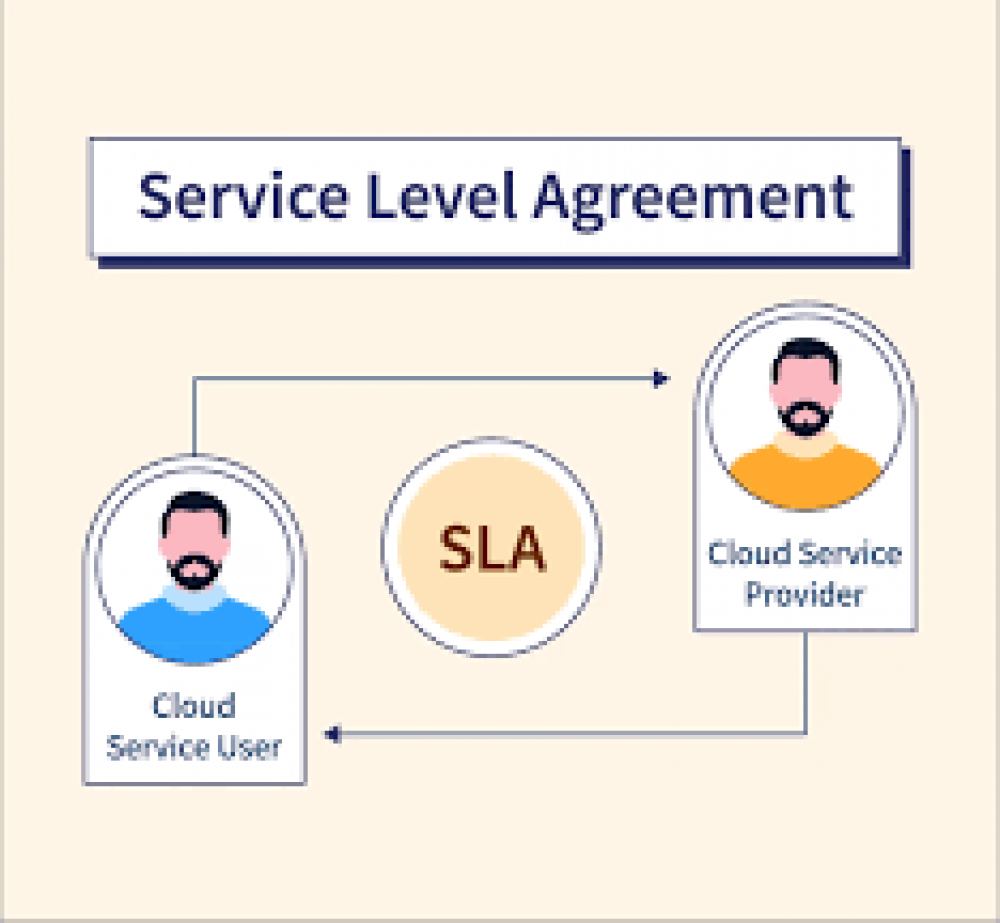
Service Level Agreement In Cloud Computing: What You Need To Know
As more businesses migrate to the cloud, understanding the terms and expectations of cloud services becomes crucial. A service level agreement in cloud computing is a foundational document that defines the performance, responsibilities, and guarantees between a cloud provider and its clients.
What Is a Service Level Agreement (SLA) in Cloud Computing?
A service level agreement (SLA) in cloud computing is a formal contract between the cloud service provider and the customer. It outlines key performance metrics, uptime guarantees, support expectations, and remedies if the provider fails to meet the agreed standards. Essentially, it ensures transparency and accountability, giving businesses confidence in the reliability of their cloud infrastructure.
Key Components of a Cloud SLA
-
Uptime and Availability: The SLA specifies the guaranteed uptime percentage, ensuring your applications and services remain accessible.
-
Performance Metrics: Details about response times, latency, and processing speeds.
-
Support and Maintenance: The agreement outlines support hours, response times, and escalation procedures for resolving issues.
-
Data Security and Privacy: Defines the measures the provider will take to protect your data, including encryption, backups, and compliance with regulations.
-
Penalties and Remedies: Describes compensation or service credits if the provider fails to meet SLA standards.
Why SLAs Matter
SLAs are not just legal documents—they are a critical tool for managing expectations and mitigating risks. By clearly defining responsibilities, they protect both the provider and the customer, ensuring a smooth and predictable cloud experience.
-
Risk Management: Helps businesses plan for downtime and potential service disruptions.
-
Accountability: Holds providers responsible for service quality and performance.
-
Business Continuity: Ensures that critical applications and data are accessible and secure.
Choosing the Right Cloud Provider
Selecting a reliable provider is just as important as understanding the SLA itself. Opsio Cloud is a leading provider known for its transparent agreements, high performance, and dedicated support. Their SLAs are designed to give businesses peace of mind while maximizing the benefits of cloud computing.
Conclusion
A well-defined service level agreement in cloud computing is essential for any organization leveraging cloud services. It sets clear expectations, ensures accountability, and safeguards your business operations. Partnering with a trusted provider like Opsio Cloud ensures that your cloud infrastructure remains reliable, secure, and optimized for growth.