The Role Of HR In Employee Retention
When employees feel seen, valued and supported. They stay in a company longer and contribute in a better way. For leaders and HR professionals retaining an employee isn’t just about reducing turnover. It’s about building the kind of workforce that drives growth and stability. And one of the strongest ways to do this is through smart use of benefits management solutions. When you get that right, you shift from simply reacting to resignations to proactively creating an environment where people want to stay. In this article we’ll walk through why retention matters, how HR can build culture, offer growth, deliver competitive pay and benefits, and truly address employee concerns.
Why Employee Retention Matters
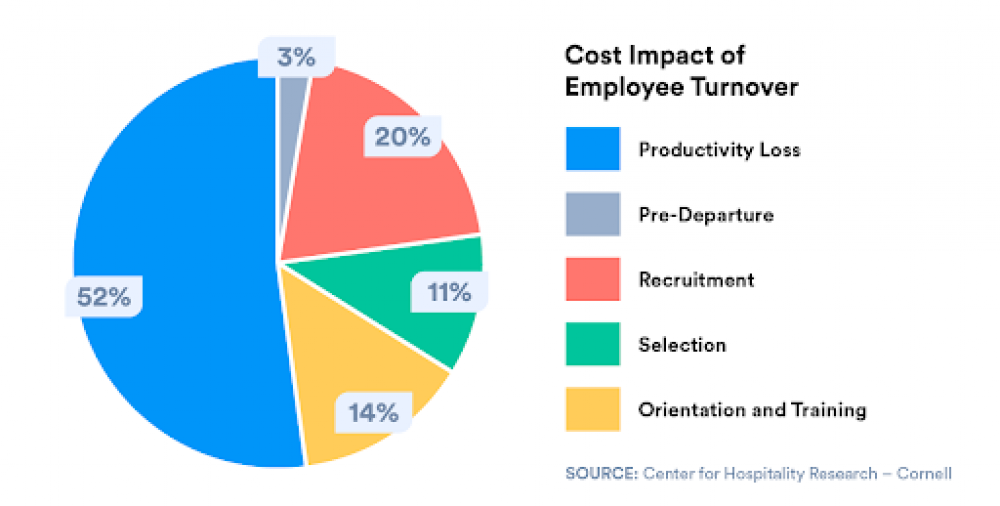
When an employee leaves it’s not just one seat going empty. It’s knowledge lost, momentum slowed, and a cost to the business. Studies show that turnover carries direct costs (recruiting, training, onboarding) and indirect costs (morale drop, productivity hits, disruption). For HR the mission is clear: reduce those losses and strengthen talent pipelines. Retaining employees means you spend less time filling holes and more time developing performance. It also means your organisation projects stability, which boosts employer brand and attracts better talent. When HR leverages benefits management solutions to create meaningful rewards, flexible supports and growth pathways, the retention engine kicks in and the company wins.
Building a Positive Work Culture
A strong culture drives business. When employees perceive fairness, respect and advancement they commit long‑term. According to HR professionals, culture often matters more than just salary. One commenter wrote “people don’t always leave bad jobs… they often leave bad managers.” HR’s role here: embed values, build trust, give voice to employees and ensure the day‑to‑day feels less transactional and more relational. Using the right benefits management solutions lets HR customise supports. Well‑being programmes, flexible scheduling, recognition systems. When people feel the culture supports them as whole humans, retention improves because work becomes something worth staying for.
Career Growth Opportunities
Employees stay when they believe their future is here. If growth is stalled, disengagement follows. HR must map clear pathways, offer training and open communication. Many employees leave not because of one bad event but because they see no next step.By integrating benefits management solutions with career development (for example educational stipends, mentorship programmes, internal mobility incentives) HR creates a win‑win: the employee grows, the company retains talent. To make this effective HR should survey employees about aspirations, track progress and align rewards. When growth becomes the language, not just pay, retention strengthens significantly.
Competitive Pay and Benefits
Let’s be clear: pay matters. But it’s not everything. As one HR professional said online “beyond a certain point it’s culture, but you can’t underestimate the culture of an industry either.” HR must ensure compensation is fair and competitive and then layer in benefits that speak to modern needs: wellness, flexibility, recognition, family support. That’s where benefits management solutions shine. They allow HR to select, tailor and track benefit programmes that genuinely matter to employees, instead of generic one‑size‑fits‑all. Effective benefit design tells employees you understand them and when they feel understood and fairly treated, they’re far less likely to seek options elsewhere.
Addressing Employee Concerns
Often the largest retention risks come not from salary or benefits alone, but from unresolved concerns: workload, micro management, work‑life balance, recognition, voice. Do some quick analysis… break your current turnover rates down by various demographic factors… This will help you focus your retention programmes on the areas that most need it.
HR’s job is to be the early warning system: listen to exit data, run stay‑interviews, monitor sentiment. Then act. Benefits management solutions can track usage of supports, help HR see blind spots (e.g., mental health benefits under‑used, flexible work abused) and enable targeted actions. When employees see real responses to their concerns, trust rises. And retention naturally improves because the organisation evolves with them.
Conclusion
The role of HR in employee retention is fundamental. By deploying thoughtful benefits management solutions, HR transforms retention from a cost centre into a strategic asset. When culture, growth opportunity, compensation and genuine responsiveness come together, employees have more reason to stay. And less reason to leave. In a landscape where talent is scarce and turnover is expensive, HR becomes the upside. If your team is ready to move from patch‑work retention tactics to systemic retention strength, it starts here