Why Pillow Block Bearings Became The Quiet Lifeline For India’s Small Manufacturers
Introduction
Walk into any small workshop — a grain mill in Indore, a fabrication shed outside Pune, a packaging unit tucked behind an industrial lane in Surat — and you’ll notice one mechanical component that rarely gets attention. It’s not glamorous, it’s not expensive, and nobody in the office ever brings it up during audits. But ask the workers on the floor, the people who stand next to the machines 12 hours a day, and they’ll tell you the same thing:
“If that bearing goes, the whole line goes.”
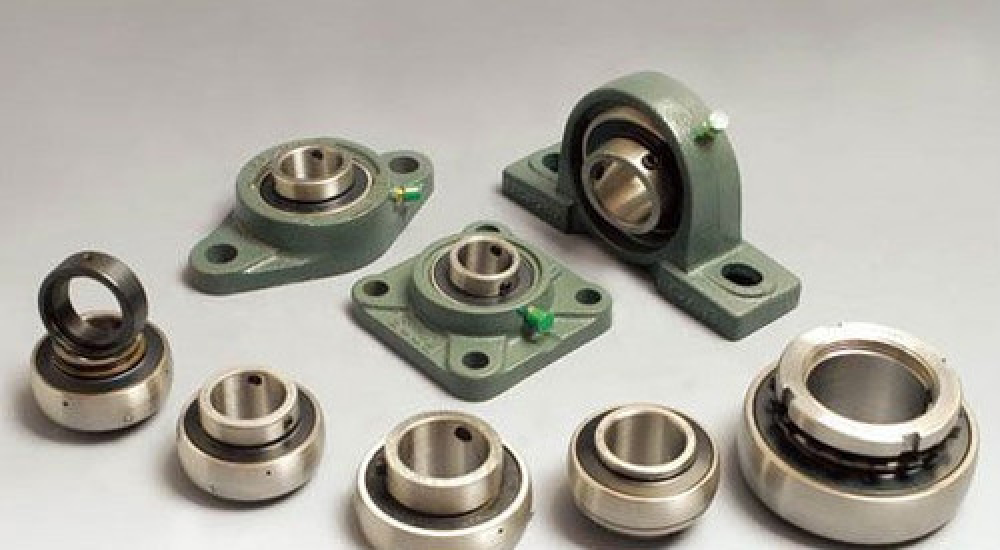
They’re talking about pillow block bearings, those chunky housings bolted to a frame, holding a rotating shaft that quietly takes all the abuse thrown at it — dust, vibration, misalignment, sudden load spikes, you name it.
For years, these bearings sat in the background, treated like replaceable parts. Only when a shaft seized or a belt snapped did anyone suddenly remember they existed. But something changed recently. Manufacturers across sectors — textile, food processing, stone cutting, packaging — started noticing a pattern.
When machines failed, it wasn’t always motors or drives. More often, the weak link was a bearing that should’ve been replaced months ago or never chosen correctly in the first place.
The Failures Nobody Wanted to Talk About
During interviews with maintenance teams in two mid-sized units in central India, a surprisingly blunt observation came up:
“We don’t lose money because the bearing is costly. We lose money because a cheap one fails at the wrong time.”
One production head described a single pillow block bearing failure that shut down an entire line for six hours. The replacement cost?
₹700.
The production loss?
₹2.1 lakh.
This mismatch — tiny part, huge damage — is exactly why the conversation around bearings has shifted. Manufacturers no longer see them as just a metal housing with a spinning insert. They see them as a reliability insurance policy.
And in sectors where downtime is practically a four-letter word, that shift is overdue.
What Engineers Quietly Admit Off the Record
Mechanical engineers working in the field rarely sugarcoat things. They’ll tell you bearings don’t fail randomly. They fail because:
-
the shaft alignment is slightly off
-
the block housing wasn’t torqued evenly
-
the insert wasn’t greased for months
-
dust infiltrated the seal
-
the operator washed machinery with high-pressure water jets
-
the bearing selected wasn’t rated for the environment
You won’t find these confessions in brochures. You hear them while someone points at a seized shaft lying on a dusty shelf.
And this is where modern pillow block bearings stepped up. The recent designs coming into Indian markets — especially from industrial-grade manufacturers — started including seals that actually hold up in abrasive environments. Inserts that tolerate misalignment instead of punishing it. Housings machined with tighter tolerances, so vibrations don’t travel the way they used to.
This isn’t marketing talk. It’s floor reality.
Why Pillow Blocks Became the Upgrade Nobody Realized They Needed
There’s a reason workshop owners began shifting away from “whatever is cheapest on the counter” bearings.
Because they finally noticed:
Cheap bearings look identical
—but they don’t behave identical.
A senior technician in a rice mill put it in his own words:
“You save ₹200 on a bearing, and then spend ₹20,000 rewelding the frame because the vibration shook everything loose.”
For industries dealing with dust, humidity, or long operating hours, robust pillow block bearings became less of an optional and more of a survival tool. They absorb misalignment. They take uneven loads. They reduce shaft wear. They keep the machine from ripping itself apart.
And most importantly:
They buy the operator time — time to finish the shift, time to plan maintenance, time to prevent catastrophic shutdowns.
Where the Real Return on Investment Happens
There’s a misconception that ROI only comes from big upgrades — new furnaces, new motors, automation tech. But on-the-ground engineers know this isn’t always true.
Sometimes, ROI comes from eliminating the smallest recurring failure.
One factory in MIDC Maharashtra tracked their breakdown data for 18 months. The biggest productivity dip wasn’t from motors burning out. It wasn’t from gearbox failures. It was from their line-shaft bearings overheating every few months.
The moment they shifted to heavy-duty pillow block bearings designed for continuous load, two things happened:
-
They stopped replacing bearings every 10–12 weeks
-
Their vibration levels across the machine dropped by almost 40%
That drop in vibration alone extended the life of belts and couplings — the kind of secondary savings that don’t appear on accounting sheets but show up very clearly in day-to-day workflow.
What Workers Notice Before Engineers Do
Spend half a day in a workshop and you’ll realize something strange: the people closest to the noise and dust often spot problems long before the engineering team does. They hear the faint growl of a bearing that’s drying out. They feel a vibration in the floor that wasn’t there last week. They smell the slight burn from a shaft that’s running hotter than usual.
But these early warnings rarely make it into official logs. They stay in the minds of operators, helpers, loaders — the real frontline crew.
When asked how they judge if a pillow block bearing is about to give up, the answers weren’t technical. They were practical:
-
“When the shaft starts to hum instead of whirr.”
-
“When the housing feels warmer than my hand expects.”
-
“When the grease turns grey instead of shiny.”
-
“When the belt tension feels off even though the belt is new.”
These are not textbook indicators. They’re human indicators — subtle, instinctive, and learned over years of standing next to machines that don’t forgive mistakes.
And ironically, these instincts often prevent breakdowns better than any sensor or planned maintenance schedule.
How to Choose the Right Pillow Block Bearing (A Ground Reality Checklist)
A lot of buyers still pick bearings based on price and availability, not suitability. When asked why, one store owner shrugged:
“People think all bearings are same until the wrong one destroys their machine.”
To prevent that, here’s a ground-reality comparison table — based on what mechanics, supervisors, and maintenance heads actually look for in the field.
Quick Selection Guide for Pillow Block Bearings:
This table isn’t built from brochures. It’s built from what actually fails inside real workshops — and why the right pillow block bearing can prevent weeks of frustration and thousands in downtime.
The Bottom Line Nobody Can Ignore Anymore
Ask any production manager with real floor experience and they’ll tell you: a machine is only as reliable as the components holding it together.
And pillow block bearings, for all their modest appearance, hold everything together — literally.
-
They support the shaft.
-
They absorb the misalignment.
-
They take the load spikes.
-
They shield the rotating parts from dust and moisture.
-
They determine whether a shift ends normally or with sparks, heat, and abuse hurled at the maintenance team.
In other words:
They’re not just bearings. They’re the silent stabilizers of Indian small- and mid-scale manufacturing. You don’t notice them when they work. You definitely notice them when they don’t.