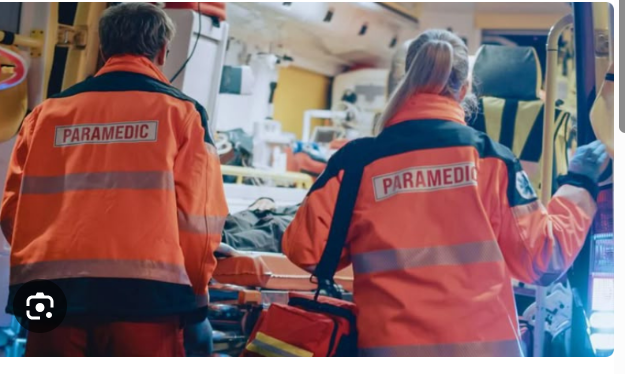
Introduction to emergency ambulance
An emergency ambulance is a crucial element in the healthcare and retail sectors, providing fast and reliable medical transportation for patients in urgent need. Whether responding to accidents, sudden illnesses, or other critical situations, emergency ambulance services offer immediate medical assistance and safe transfer to healthcare facilities. The availability and efficiency of these services often influence patient survival rates.
Features of an emergency ambulance
Emergency ambulances are specially designed vehicles equipped with essential medical tools and staffed by trained professionals. Common features include:
- Oxygen supply systems
- Cardiac monitors and defibrillators
- First aid and trauma care equipment
- Communication devices for coordination with hospitals and emergency responders
These features enable the emergency ambulance team to provide on-the-spot treatment while en route to a medical facility.
Personnel in emergency ambulance services
The team operating an emergency ambulance typically includes emergency medical technicians (EMTs) and paramedics. These individuals are trained to assess patient conditions, perform life-saving procedures, and manage emergencies with precision. Their expertise is critical in stabilizing patients during transport and ensuring a smooth handover at hospitals.
The importance of response time
In emergency ambulance situations, time is a vital factor. Emergency ambulance services prioritize rapid response and quick transport to increase the chances of positive patient outcomes. Factors affecting response times include traffic conditions, ambulance availability, and geographic challenges. Optimizing these factors is essential to improving service efficiency.
Challenges in emergency ambulance operations
Despite their importance, emergency ambulance services face several challenges:
- Traffic congestion causing delays
- Insufficient ambulances during peak demand
- Difficulty accessing remote or congested urban areas
- Funding limitations affecting equipment upgrades and training
Addressing these issues requires collaboration between government agencies, healthcare providers, and communities.
Technological advancements improving emergency ambulance services
Modern technology has brought significant improvements to emergency ambulance operations, such as:
- GPS tracking for efficient route planning
- Telemedicine systems enabling real-time communication with hospital specialists
- Portable diagnostic tools for early detection of critical conditions
- Automated dispatch systems to manage resources effectively
These technologies enhance patient care and operational responsiveness.
Role of emergency ambulance in community health
Beyond emergency transport, emergency ambulance services play a broader role in community health by:
- Providing public education on first aid and emergency response
- Supporting disaster relief and mass casualty incidents
- Facilitating patient transfers between healthcare facilities
Their contribution is vital in strengthening overall public health infrastructure.
Conclusion
Emergency ambulance services form the backbone of urgent medical care, offering timely intervention and transport that saves lives. Continuous investment in training, equipment, and technology is essential to maintaining and improving these services. Recognizing their critical role encourages support for initiatives that enhance emergency medical response capabilities.