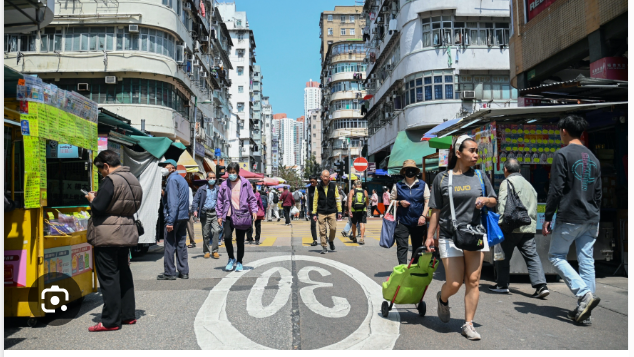
Introduction to Urban Revitalisation
Urban revitalisation is a strategy used by many global cities to enhance their infrastructure, culture, and economic potential. In recent years, hong kong revitalisation has become a vital initiative not only for preserving heritage sites but also for boosting the retail and tourism industry. By transforming underutilised areas into thriving commercial and cultural hubs, the city is reshaping its retail landscape while maintaining its rich identity.
The Significance of Retail in Hong Kong
Retail has always been a cornerstone of Hong Kong’s economy. From traditional street markets to luxury malls, the city attracts millions of shoppers each year. However, with changing consumer behaviour and the global shift toward online shopping, traditional retail faces challenges. This is where hong kong revitalisation projects create opportunities, merging heritage with modern shopping experiences that appeal to both locals and international visitors.
Linking Heritage with Modern Shopping
One of the most successful aspects of hong kong revitalisation is the blending of cultural preservation with commercial growth. Historic buildings and old neighbourhoods are being repurposed into lifestyle destinations. These areas combine cafes, boutiques, art spaces, and retail shops, offering a unique atmosphere that cannot be replicated by online platforms. This creates an emotional connection for shoppers, making retail more experiential rather than purely transactional.
Examples of Revitalised Retail Spaces
Several projects in Hong Kong have already demonstrated how revitalisation enhances retail prospects:
- Old warehouses have been converted into creative marketplaces.
- Traditional Chinese shop houses are now home to boutique stores and cafes.
- Former industrial zones are being transformed into vibrant shopping and entertainment districts.
Such initiatives show how hong kong revitalisation supports local businesses while attracting international brands to join in the city’s evolving retail scene.
Impact on Small Businesses and Startups
Revitalisation does not only benefit large retail chains. Small businesses and startups thrive in these new environments because revitalised areas often provide affordable spaces compared to prime commercial districts. This encourages innovation and diversity, giving customers more choices while promoting entrepreneurship. For the retail industry, this means a richer mix of brands and products within the market.
Enhancing Tourism through Retail Revitalisation
Tourism and retail are closely linked in Hong Kong. Revitalised retail zones double as tourist attractions by offering cultural experiences alongside shopping. For instance, a visitor might explore an art gallery inside a restored heritage building before dining in a modern restaurant located in the same space. This synergy between culture and commerce helps Hong Kong stay competitive as a global tourism destination.
Role of Technology in Revitalisation Projects
Digital solutions play a significant role in enhancing retail experiences in revitalised spaces. Smart technologies such as cashless payments, digital wayfinding, and interactive displays are integrated into old structures without compromising their authenticity. This modern layer of convenience adds to the appeal of hong kong revitalisation for younger, tech-savvy shoppers.
Economic Benefits of Revitalisation
Revitalisation projects generate economic growth by creating jobs, increasing property values, and encouraging investment. For retailers, being part of a revitalised district means higher foot traffic, more visibility, and greater opportunities for brand positioning. Over time, this contributes to Hong Kong’s overall retail competitiveness in Asia.
Community Engagement and Social Value
Beyond commercial benefits, hong kong revitalisation brings communities closer. By restoring old districts and integrating modern retail, residents feel more connected to their city. Local culture is preserved while new retail opportunities are introduced, creating spaces that reflect both tradition and modernity. This dual purpose strengthens community pride and adds long-term social value.
Future Prospects of Retail in Hong Kong
Looking ahead, the retail industry in Hong Kong is expected to continue evolving alongside revitalisation initiatives. More focus will be placed on sustainability, eco-friendly retail spaces, and green infrastructure. By combining cultural heritage with innovative retail strategies, Hong Kong can remain a leading global retail hub.
Conclusion
Revitalisation is more than just an urban planning initiative—it is a powerful driver of retail growth in Hong Kong. By preserving history while encouraging innovation, hong kong revitalisation ensures that retail remains a dynamic and essential part of the city’s future. With its unique approach of merging culture, commerce, and community, Hong Kong sets an example for other cities seeking to reinvent their retail landscapes.