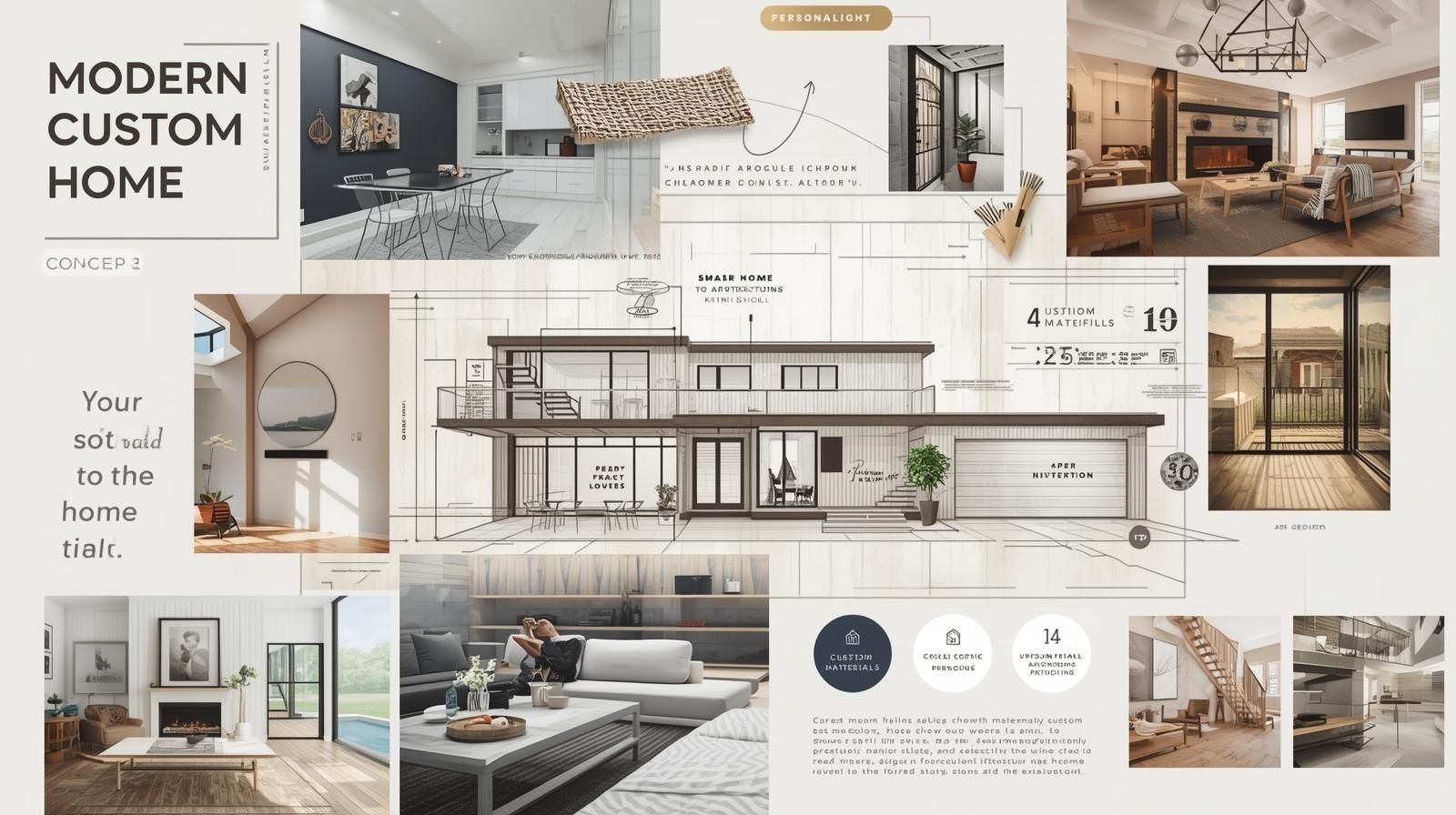
There’s a moment in every homeowner’s life when they look around their living space and think, “If only I could change this…” Maybe it’s the layout that never quite fit your lifestyle. Maybe it’s the lighting, the lack of storage, or the kitchen that felt outdated the day you moved in. For many people, this is the point where the idea of a custom home stops being a distant dream and becomes a real plan.
Designing a home from the ground up isn’t just about creating something new—it’s about shaping a space that reflects who you are. And with today’s rapid growth in residential design trends, innovative materials, and smart-home options, building a custom home has never been more exciting. Whether you’re drawn to modern minimalism, Southern charm, or something completely personal, the possibilities are endless.
But before diving into the creative decisions, it helps to understand what truly defines the custom-home experience and what trends are shaping the homes of tomorrow.
Why Custom Homes Are Becoming More Popular Than Ever
Homebuyers today value individuality and flexibility more than previous generations. Off-the-shelf floor plans can feel limiting, especially for families with unique routines or long-term needs. A custom home solves this by giving you control over everything—from the architecture to the materials to the yard layout.
One of the biggest advantages is the ability to avoid compromises. Want a sunroom that faces exactly east? A chef-inspired kitchen with double islands? A split-wing layout so kids have their own space? With a custom home, these aren’t upgrades—they’re decisions you make from the start.
There’s also a growing shift toward energy-efficient construction, sustainable materials, and long-lasting design. People want homes that look beautiful but also reduce long-term costs and environmental impact. Innovations in insulation, windows, HVAC systems, and even roofing materials are giving homeowners more choices than ever before.
Key Trends Shaping Today’s Custom Homes
Open-Concept Living With Functional Zones
Open floor plans continue to dominate modern residential architecture, but the trend is evolving. Instead of wide-open spaces that sometimes feel too exposed, designers are leaning into functional zones—areas that flow naturally together but serve distinct purposes. Think reading nooks built into living rooms, partial partitions that create cozy corners, or breakfast bars that subtly divide the kitchen from the dining area.
This approach maintains the airy feeling of open living while giving families the structure they need for daily life.
Smart Technology Integration
Smart homes are no longer futuristic—they’re standard. Homeowners now expect seamless integration of smart lighting, automated climate control, voice-activated systems, and advanced security monitoring. In custom builds, these features can be hardwired during construction rather than added afterward, leading to cleaner designs and more reliable performance.
And with technology evolving constantly, homeowners now prefer flexible systems that can expand over time.
Outdoor Living Spaces
More people are treating their yards as an extension of their homes. Covered patios, screened porches, outdoor kitchens, fire-features, and weather-proof entertainment setups are surging in popularity. Instead of a simple deck, homeowners want outdoor spaces that feel like extra rooms—functional all year long.
This is especially true in warm-weather regions, where outdoor living can be enjoyed most of the year.
Spa-Inspired Bathrooms
A bathroom isn’t just a utility space anymore—it’s a retreat. Today’s custom homes often feature:
- Walk-in showers with frameless glass
- Deep soaking tubs
- Heated floors
- Dual vanities
- Ambient lighting
- Built-in shelving and storage solutions
These spa-like designs add everyday luxury and help homeowners unwind after long days.
Sustainable and Low-Maintenance Materials
Durable flooring, energy-efficient windows, composite decking, and long-life roofing materials are now top choices for custom builds. Homeowners are prioritizing longevity and low-maintenance living, allowing them to enjoy their homes without worrying about constant upkeep.
Even interior materials—like quartz countertops, engineered hardwood, and eco-friendly paints—are selected with performance in mind.
The Emotional Side of Building a Custom Home
While much of the conversation revolves around materials, plans, and budgets, there’s an emotional journey behind every custom home project.
Designing a home means imagining how you’ll live in it years from now:
- Where your kids will take their first steps
- Where you’ll host your family holidays
- The porch where you’ll enjoy your morning coffee
- The room that might one day become your home office or hobby space
Every decision becomes a personal one. Homeowners often talk about the joy of choosing small details—the color of a door, the curve of a staircase, or the perfect light fixture—that make a home feel deeply theirs.
This emotional connection is part of what makes the custom-home process so rewarding.
Working With the Right Builder Makes All the Difference
A custom home is a major investment—both financially and personally—so having the right builder is essential. Homeowners today look for builders who provide:
- Transparent pricing
- Clear communication
- Quality craftsmanship
- Reliable timelines
- Flexible design options
- Knowledge of local architecture and regulations
If you’re exploring the idea of building in Louisiana, you may find it helpful to connect with experts who specialize in custom designs and regional styles. Many homeowners begin their journey by researching experienced builders in their area.
For example, you can learn more about custom options through custom home builders in Lafayette, LA.
(Used once, as requested.)
Planning Your Dream Home: Tips for a Smooth Journey
Building a custom home is exciting, but it’s also a detailed process. Here are some key ways to stay organized and confident:
1. Start With a Clear Vision
Before meeting with a builder, spend time defining what matters most. Consider:
- How many bedrooms and bathrooms you truly need
- Whether you prefer open space or structured rooms
- Your long-term lifestyle goals
- How much natural light you want
- Your storage needs
- Your preferred architectural style
Having clarity upfront prevents major changes later.
2. Create a Realistic Budget
Custom homes offer flexibility, but each choice impacts cost. Make space in your budget for:
- Quality materials
- Upgraded fixtures
- Future-proofing features like wiring for smart tech
- Outdoor living spaces
- Landscaping
A well-planned budget gives you freedom without surprises.
3. Prioritize Function Over Aesthetic
A beautiful home should also work well for your daily routine. Think about how you cook, relax, work, entertain, and rest. For example, a large kitchen island may matter more than decorative ceiling beams. Focus on functionality first—style naturally follows.
4. Think Long-Term
Plan for how you’ll live in the home 10–20 years from now. Many families add features like:
- First-floor primary suites
- Wider hallways
- Flexible rooms
- Low-maintenance exteriors
These elements help your home adapt as your life changes.
5. Stay Involved Throughout Construction
Walk through the site when possible. Ask questions. Communicate any concerns early. The more involved you are, the more confident you’ll feel when the keys are handed over.
Final Thoughts: Your Home, Your Story
A custom home is more than a structure—it’s a reflection of your values, your vision, and your future. It’s the place where you’ll make memories, grow roots, and create a space that feels unmistakably yours. With thoughtful planning, the right team, and a clear sense of what matters most, you can build a home that brings comfort, joy, and pride for decades to come.
Whether you’re dreaming of a modern retreat, a cozy family sanctuary, or a timeless design filled with character, your dream home begins with the belief that you deserve a space designed around you.