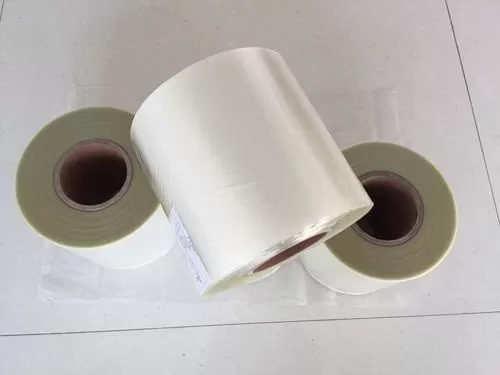
PVA water soluble film has emerged as a practical and forward-thinking packaging material across multiple industries. Known for its ability to dissolve completely in water, this film offers a clean, efficient, and user-friendly solution for applications where traditional plastic creates waste, safety risks, or handling difficulties. From industrial packaging to household products, demand continues to grow as businesses look for smarter materials that balance performance with responsibility.
This article explores how pva water soluble film works, where it is used, and why industries worldwide are integrating it into everyday operations.
Understanding PVA Water Soluble Film
PVA water soluble film is made from polyvinyl alcohol, a synthetic polymer designed to dissolve when exposed to water. The dissolution rate can be adjusted depending on temperature, thickness, and formulation. Some films dissolve in cold water, while others require warm or hot water, making them suitable for highly specific uses.
Unlike conventional plastic films that remain intact for decades, this material disappears entirely when used correctly, leaving no harmful residue behind. That characteristic alone makes it valuable in sectors where hygiene, dosing accuracy, and waste reduction are priorities.
How the Material Works in Real Conditions
The functionality of PVA film is simple yet effective. When the film comes into contact with water, it begins to break down at the molecular level. Instead of fragmenting into microplastics, it dissolves into a solution that can be safely managed by wastewater systems when used as intended.
Manufacturers can customize:
- Film thickness for strength or rapid dissolution
- Solubility temperature based on usage needs
- Barrier properties for moisture or air resistance
- Tensile strength for automated packaging lines
These variables allow the material to adapt across industries rather than serving a single niche.
Key Applications Across Industries
The versatility of this film is one of its strongest advantages. It supports efficiency, safety, and cleanliness in environments where precision matters.
Detergents and Cleaning Products
One of the most common uses is single-dose detergent packaging. Laundry pods, dishwasher capsules, and industrial cleaners benefit from water-soluble packaging that eliminates direct contact with chemicals.
Benefits in this sector include:
- Accurate dosing with no measuring errors
- Improved safety by reducing skin exposure
- Reduced packaging waste after use
- Cleaner storage and transport
Consumers appreciate the convenience, while manufacturers benefit from consistent product performance.
Agriculture and Agrochemicals
In agriculture, pva water soluble film is widely used to package fertilizers, pesticides, and herbicides. These substances can be hazardous to handle directly, making dissolvable packaging a safer alternative.
Farmers can add the entire packet directly into spray tanks without opening it. This minimizes spills, inhalation risks, and contamination during preparation.
Common agricultural uses include:
- Water-soluble sachets for crop protection chemicals
- Seed coatings and specialty nutrient delivery
- Controlled release applications
The result is safer handling and more precise application in the field.
Medical and Healthcare Environments
Hospitals and laboratories rely on strict hygiene standards. Water-soluble film helps maintain cleanliness by reducing manual handling of contaminated materials.
Typical healthcare applications include:
- Laundry bags for infectious linens
- Packaging for diagnostic chemicals
- Single-use dosing systems in laboratories
Because the film dissolves during washing or processing, staff exposure to harmful materials is significantly reduced.
Industrial Manufacturing and Construction
In industrial settings, dissolvable films are used for packaging additives, pigments, and specialty powders. These materials often require precise ratios and contamination-free handling.
Construction chemicals such as cement additives and concrete modifiers are also packaged using water-soluble film. Workers can add sealed packets directly into mixers, saving time and improving consistency.
This approach supports:
- Faster workflow
- Reduced material loss
- Improved safety standards
- Cleaner work environments
Environmental and Operational Benefits
Beyond functionality, this material delivers measurable advantages that align with modern operational goals.
Waste Reduction
Traditional plastic packaging often ends up in landfills or requires complex recycling processes. Water-soluble film eliminates disposal altogether when used correctly, helping reduce overall packaging waste.
Improved Workplace Safety
By limiting direct contact with hazardous substances, businesses reduce the risk of skin irritation, inhalation issues, and accidental spills. This can lead to fewer workplace incidents and better compliance with safety regulations.
Precise Product Usage
Pre-measured packaging ensures consistent dosing every time. This is especially important in industries where small variations can impact results, such as chemical processing or agriculture.
Streamlined Logistics
Because the film is lightweight and adaptable, it supports efficient storage and transportation. Manufacturers can also reduce secondary packaging requirements, lowering shipping costs.
Customization and Manufacturing Flexibility
Another reason for the growing popularity of this film is how easily it can be customized. Manufacturers can tailor the product to match exact application needs without compromising performance.
Customization options include:
- Printed branding or usage instructions
- Variable solubility speeds
- Multi-layer structures for added protection
- Compatibility with automated filling equipment
This flexibility allows businesses to integrate the film into existing production lines without major changes.
Addressing Common Misconceptions
Some buyers assume water-soluble films lack strength or durability. In reality, properly engineered PVA films offer excellent tensile strength and barrier properties until they contact water.
Others worry about storage stability. When kept in dry conditions, the film remains intact and reliable, even in long-term storage environments.
It is also important to note that dissolution behavior is controlled, not accidental. The film will not dissolve simply due to humidity when manufactured and stored correctly.
Market Trends and Growing Demand
Industries worldwide are under pressure to improve efficiency while reducing waste. This has driven increased interest in smarter packaging materials that deliver both performance and responsibility.
Sectors showing the fastest adoption include:
- Household and industrial cleaning
- Agriculture and crop management
- Healthcare and medical services
- Construction and specialty manufacturing
As regulations evolve and consumer expectations rise, water-soluble solutions are becoming part of standard operational planning rather than a niche option.
Choosing the Right Film for Your Application
Selecting the right pva water soluble film depends on understanding how and where it will be used. Key considerations include:
- Required dissolution temperature
- Exposure to moisture during storage
- Mechanical strength during transport
- Compatibility with filling and sealing equipment
Working with an experienced supplier ensures the film performs exactly as intended in real-world conditions.
Why This Material Continues to Gain Attention
The success of water-soluble film lies in its simplicity. It solves real problems without adding complexity to production or usage. Whether improving safety, reducing waste, or increasing efficiency, it delivers tangible value across industries.
Businesses that adopt this material often find that it enhances product usability while supporting long-term operational goals.
Looking Ahead at the Future of Water Soluble Packaging
As industries continue to rethink packaging and handling methods, materials like PVA film will play an increasingly important role. Its adaptability, performance reliability, and user-friendly nature make it a strong choice for applications that demand precision and cleanliness.
From manufacturing floors to households, pva water soluble film is shaping how products are packaged, handled, and used. Companies that understand its potential today are better positioned to meet the evolving expectations of tomorrow.