A mastectomy is often a life-saving step in the treatment of breast cancer, but it can also bring emotional and physical challenges for many women. Breast reconstruction surgery offers a powerful way to restore not only the shape of the breast but also confidence, self-image, and a sense of wholeness. With the guidance of an experienced Plastic surgeon, patients today have access to advanced techniques that create natural-looking results and support both physical recovery and emotional healing. Breast reconstruction is no longer just about appearance—it is about helping women move forward with strength, dignity, and renewed hope.
Understanding Breast Reconstruction After Mastectomy
Breast reconstruction is a surgical procedure that rebuilds the breast after it has been partially or completely removed. It can be performed at the same time as a mastectomy (immediate reconstruction) or months or even years later (delayed reconstruction). The right timing depends on many factors, including the patient’s overall health, cancer treatment plan, and personal preferences.
The goal of reconstruction is to create a breast shape that looks and feels as natural as possible while maintaining safety and comfort. For many women, this step plays an important role in emotional recovery, helping them feel more like themselves again after a challenging journey.
Who Can Consider Breast Reconstruction?
Most women who undergo mastectomy are candidates for breast reconstruction, but the best approach varies from person to person. Factors such as age, body type, medical history, stage of cancer, and whether radiation or chemotherapy is needed can influence the choice of reconstruction method.
It is important to remember that choosing reconstruction is a personal decision. Some women feel strongly about restoring their breast shape, while others may decide not to have reconstruction at all. Both choices are valid. What matters most is that each patient feels informed, supported, and confident in her decision.
Types of Breast Reconstruction Procedures
There are two main categories of breast reconstruction: implant-based reconstruction and autologous (tissue-based) reconstruction.
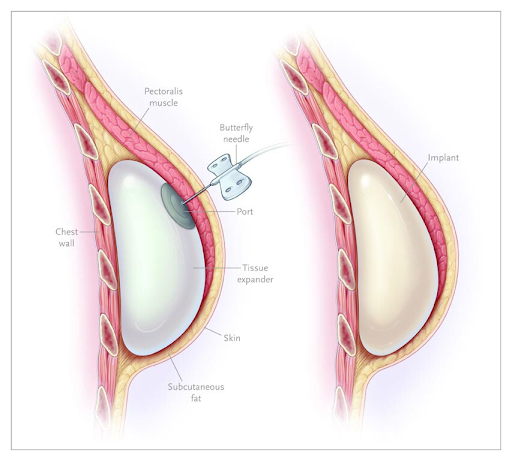
Implant-based reconstruction uses silicone or saline implants to recreate the breast shape. This method is commonly chosen because it involves shorter surgery time and recovery compared to some tissue-based options. However, it may require more than one procedure to achieve the desired result.
Autologous reconstruction uses tissue taken from another part of the body, such as the abdomen, back, or thighs, to form the new breast. This approach often produces a more natural look and feel, but it usually involves a longer surgery and recovery period. Your surgical team will help you understand which option is best suited to your body and goals.
The Role of Cancer Treatment in Reconstruction Planning
Many women who undergo breast cancer surgery also need additional treatments such as radiation or chemotherapy. These treatments can affect both the timing and type of reconstruction that is recommended. For example, radiation therapy can impact skin quality and healing, which may make certain reconstruction methods more suitable than others.
This is why planning reconstruction is a team effort. Surgeons, oncologists, and other specialists work together to create a treatment plan that prioritizes both cancer care and long-term reconstructive results. With proper planning, it is often possible to achieve excellent cosmetic and functional outcomes while staying focused on overall health and recovery.
The Emotional Impact of Breast Reconstruction
Breast reconstruction is not just a physical procedure—it is also an emotional journey. For many women, losing a breast can deeply affect self-esteem, body image, and confidence. Reconstructive surgery can play a meaningful role in helping patients feel more comfortable in their bodies again.
That said, it is normal to experience a mix of emotions throughout the process. Some women feel hopeful and empowered, while others may feel anxious or uncertain. Open communication with your healthcare team, loved ones, and support groups can make a big difference in navigating these feelings and building confidence during recovery.
What to Expect During Recovery
Recovery from breast reconstruction varies depending on the type of procedure performed. In general, patients can expect some swelling, discomfort, and limited movement in the early days after surgery. Pain is usually manageable with medications, and most women are encouraged to start gentle movement soon to support healing.
Over time, the body adjusts, scars begin to fade, and the reconstructed breast starts to look more natural. Follow-up appointments are an important part of the process, allowing the surgical team to monitor healing and make any necessary adjustments for the best possible result.
Advances in Breast Reconstruction Techniques
Modern surgical techniques have greatly improved the outcomes of breast reconstruction. Today, procedures are more refined, scars are more discreet, and results are more natural-looking than ever before. Innovations in microsurgery, implant technology, and surgical planning continue to raise the standard of care.
There is also a growing focus on personalized treatment, choosing the method that best fits each patient’s body, lifestyle, and goals. This patient-centered approach ensures that reconstruction is not only successful from a medical standpoint but also meaningful and satisfying for the individual.
Moving Forward with Confidence
Breast reconstruction surgery after mastectomy is about more than restoring a physical form it is about helping women reclaim confidence, comfort, and a sense of normalcy after a difficult chapter in life. With the right medical guidance, compassionate care, and realistic expectations, many women find that reconstruction becomes a positive and empowering part of their recovery journey.
Every woman’s path is unique, and there is no single “right” choice. What matters most is having access to accurate information, expert care, and supportive guidance to make the decision that feels right for you. With today’s advanced options, breast reconstruction offers not just
Conclusion
Breast reconstruction surgery after mastectomy is more than a cosmetic procedure it is an important step in emotional healing and personal recovery for many women. With modern surgical techniques and personalized treatment plans, patients today have more choices and better results than ever before. Whether reconstruction is done immediately or at a later stage, the goal remains the same: to help restore confidence, comfort, and a sense of wholeness. With expert medical guidance, compassionate care, and the right information, women can make empowered decisions and move forward with renewed strength, hope, and confidence in their
FAQs
- What is breast reconstruction surgery?
Breast reconstruction surgery is a procedure that rebuilds the shape of the breast after it has been removed due to a mastectomy. It helps restore the appearance of the breast and can also support emotional and psychological recovery.
2. When can breast reconstruction be done?
Breast reconstruction can be done at the same time as the mastectomy (immediate reconstruction) or months or even years later (delayed reconstruction). The timing depends on medical treatment plans and personal preference.
3. Who is a good candidate for breast reconstruction?
Most women who undergo mastectomy are candidates for breast reconstruction. The best approach depends on factors such as overall health, cancer treatment plan, body type, and individual goals.
4. What are the main types of breast reconstruction?
The two main types are implant-based reconstruction and tissue-based (autologous) reconstruction, which uses tissue from another part of the body. Your doctor will help you decide which option is best for you.
5. Is breast reconstruction safe?
Yes, breast reconstruction is generally safe when performed by an experienced surgical team. Like any surgery, it carries some risks, but serious complications are uncommon and can usually be managed effectively.
6. How long is the recovery period?
Recovery time varies depending on the type of procedure performed. Most patients can return to normal daily activities within a few weeks, while complete healing may take a few months.
7. Will the reconstructed breast look natural?
Modern techniques aim to create a natural-looking and balanced appearance. While it may not be exactly the same as before, most patients are satisfied with the cosmetic and emotional results.
8. Does breast reconstruction affect cancer treatment?
Breast reconstruction is carefully planned alongside cancer treatment. Your medical team will coordinate care to ensure that reconstruction does not interfere with necessary treatments like chemotherapy or radiation.
If you want, I can also:
- Make this more SEO-focused
- Shorten it for a website FAQ section
- Customize it with your hospital or doctor name
Conclusion
Breast reconstruction surgery after mastectomy is more than a cosmetic procedure—it is an important step in emotional healing and personal recovery for many women. With modern surgical techniques and personalized treatment plans, patients today have more choices and better results than ever before. Whether reconstruction is done immediately or at a later stage, the goal remains the same: to help restore confidence, comfort, and a sense of wholeness. With expert medical guidance, compassionate care, and the right information, women can make empowered decisions and move forward with renewed strength, hope, and confidence in their journey beyond breast cancer.
(FAQs)
1. What is breast reconstruction surgery?
Breast reconstruction surgery is a procedure that rebuilds the shape of the breast after it has been removed due to a mastectomy. It helps restore the appearance of the breast and can also support emotional and psychological recovery.
2. When can breast reconstruction be done?
Breast reconstruction can be done at the same time as the mastectomy (immediate reconstruction) or months or even years later (delayed reconstruction). The timing depends on medical treatment plans and personal preference.
3. Who is a good candidate for breast reconstruction?
Most women who undergo mastectomy are candidates for breast reconstruction. The best approach depends on factors such as overall health, cancer treatment plan, body type, and individual goals.
4. What are the main types of breast reconstruction?
The two main types are implant-based reconstruction and tissue-based (autologous) reconstruction, which uses tissue from another part of the body. Your doctor will help you decide which option is best for you.
5. Is breast reconstruction safe?
Yes, breast reconstruction is generally safe when performed by an experienced surgical team. Like any surgery, it carries some risks, but serious complications are uncommon and can usually be managed effectively.