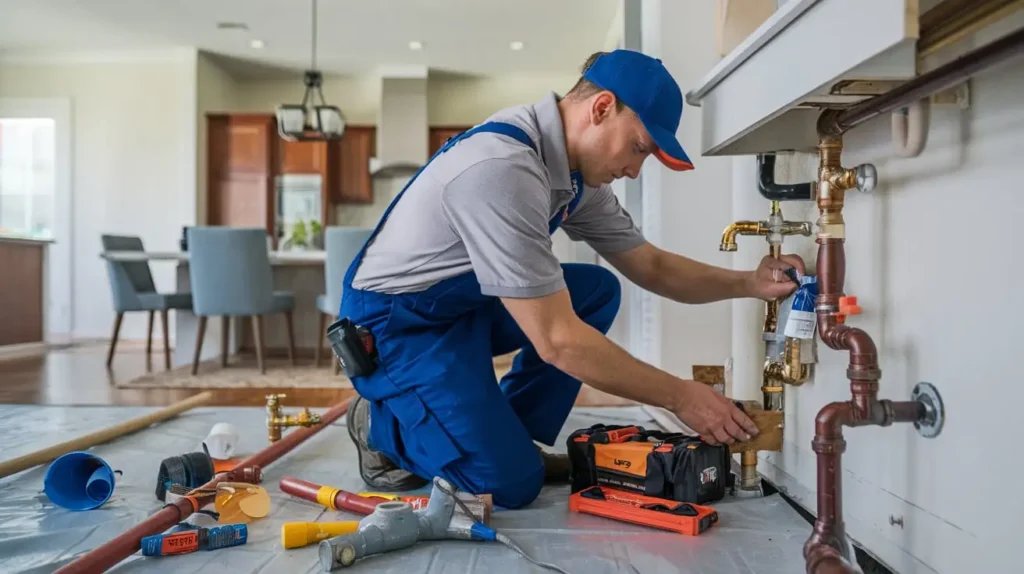
Installing a new toilet may appear to be a relatively simple home improvement project, but correct installation requires much more than positioning the fixture and connecting a water line. The toilet must sit securely on the flange, create a watertight seal, connect properly to the drainage system, fill at the correct level, and flush without leaking. Even a small installation mistake can lead to rocking, recurring clogs, hidden water damage, sewer odours, or premature failure of surrounding plumbing components.
For homeowners and businesses in Richmond Hill, professional toilet installation can help avoid these problems from the beginning. Whether replacing an outdated fixture, upgrading during a bathroom renovation, or installing a toilet in a newly constructed space, professional workmanship helps ensure the fixture works properly with the existing plumbing system.
Choosing an expert plumbing company gives property owners the advantage of having both the new toilet and the plumbing connections evaluated as part of the installation.
Toilet Installation Starts Before the Old Fixture Is Removed
A successful installation begins with checking whether the new toilet is appropriate for the bathroom.
Several details matter, including:
- Toilet dimensions
- Rough-in measurement
- Drain location
- Flange condition
- Water supply position
- Available bathroom space
Confirming these details before installation helps avoid compatibility problems after the old toilet has already been removed.
The Toilet Flange Is an Important Connection
The flange connects the toilet to the drainage pipe while also helping secure the fixture to the floor.
An installation can become problematic when the flange is:
- Cracked
- Corroded
- Loose
- Positioned incorrectly
- Damaged during toilet removal
Simply placing a new toilet over a deteriorated flange can create leaks or instability later.
A Proper Seal Helps Prevent Hidden Leaks
A watertight seal between the toilet and drain is essential.
If the seal is installed incorrectly, wastewater may gradually escape beneath the toilet without immediately becoming visible.
Over time, hidden leakage can damage:
- Bathroom flooring
- Subflooring
- Ceilings below
- Baseboards
- Nearby structural materials
Professional installation reduces this risk by ensuring the toilet is seated and sealed correctly.
A Rocking Toilet Is Not Normal
A properly installed toilet should remain stable when someone sits down or stands up.
Movement can occur because of:
- Uneven flooring
- Loose mounting hardware
- Flange problems
- Improper positioning
Ignoring movement can place additional pressure on the seal and eventually cause leakage around the toilet base.
Water Supply Connections Must Be Secure
The toilet’s supply line delivers fresh water to the tank after every flush.
Connections should be carefully checked for:
- Corrosion
- Loose fittings
- Aging supply hoses
- Damaged shut-off valves
- Existing leaks
Replacing questionable components during installation can help prevent an unexpected bathroom leak later.
The Shut-Off Valve Should Work Properly
A functioning toilet shut-off valve allows the water supply to be isolated without shutting off water to the entire property.
If the valve is seized, leaking, or heavily corroded, it may be worth addressing while the toilet is being installed.
This makes future maintenance much easier.
Professional Installation Supports Better Flushing
Poor toilet performance is not always caused by the fixture itself.
Drainage conditions can affect how efficiently the toilet flushes.
A plumber can identify concerns such as:
- Existing drain restrictions
- Incorrect connections
- Venting problems
- Obstructions near the toilet drain
Addressing these concerns during installation helps the new fixture perform as intended.
Replacing an Old Toilet Can Improve Water Efficiency
Older toilets may use considerably more water per flush than newer models.
Upgrading can provide benefits such as:
- Reduced water consumption
- Improved flushing technology
- Better bowl cleaning
- More convenient designs
- Improved bathroom appearance
The right model should balance efficiency with dependable flushing performance.
Bathroom Renovations Often Require Plumbing Adjustments
Toilet installation during a renovation may be more complex than a straightforward replacement.
Renovation work can involve:
- New flooring
- Relocated fixtures
- Changed drain positions
- Modified supply lines
- Accessibility improvements
Professional plumbing coordination helps ensure these changes work together correctly.
Same-Day Installation Can Minimize Bathroom Disruption
A non-functional toilet can be especially inconvenient in a home with only one bathroom or a commercial property serving customers and employees.
When replacement cannot reasonably be delayed, same-day local plumbers in Richmond Hill can help assess the existing plumbing and complete the necessary installation efficiently when conditions allow.
Commercial Toilets Have Different Requirements
Toilets installed in offices, restaurants, retail stores, healthcare environments, and other commercial properties may experience significantly heavier usage.
Commercial installations need to consider:
- Fixture durability
- Flush performance
- Water efficiency
- Maintenance accessibility
- Existing commercial plumbing
Choosing equipment suitable for expected usage can reduce future service problems.
Accessibility Should Be Considered
For some properties, toilet replacement provides an opportunity to improve accessibility.
Options may include:
- Comfort-height toilets
- Better fixture positioning
- Increased clearance
- Accessible bathroom layouts
Professional installation helps incorporate the selected fixture into the existing plumbing arrangement.
DIY Installation Can Become More Expensive Than Expected
Homeowners sometimes attempt toilet installation to reduce labour costs, only to encounter hidden problems after removing the old fixture.
Common difficulties include:
- Damaged flanges
- Corroded bolts
- Leaking shut-off valves
- Incorrect seals
- Uneven flooring
- Unexpected drain problems
Without the right equipment or experience, a straightforward replacement can quickly become a larger repair.
Warning Signs of Poor Installation
Problems may not always appear immediately after a new toilet is installed.
Watch for:
- Rocking or movement
- Water around the base
- Sewer odours
- Weak flushing
- Continuous running
- Moisture on the ceiling below
- Repeated clogging
These symptoms deserve attention before additional damage occurs.
Testing Should Be Part of Every Installation
A toilet should be thoroughly tested before the job is considered complete.
Testing includes checking:
- Tank filling
- Flush performance
- Water level
- Supply connections
- Base sealing
- Shut-off valve operation
Several flush cycles may be used to verify that the fixture drains and refills consistently.
Installation Is Also an Opportunity to Inspect Nearby Plumbing
Replacing a toilet provides access to plumbing components that are normally concealed beneath or behind the fixture.
A plumber can assess:
- Flange condition
- Drain opening
- Supply connection
- Shut-off valve
- Visible pipe condition
Finding deterioration during installation can prevent a future emergency.
When Toilet Replacement Makes More Sense Than Repair
Repair is often appropriate for issues involving internal components, but replacement may be worth considering when the toilet has:
- Cracked porcelain
- Repeated leaks
- Frequent clogging
- Poor water efficiency
- Significant age-related wear
A professional evaluation helps homeowners compare the cost and practicality of repair versus replacement.
Protecting Your Bathroom Investment
Bathrooms often contain expensive flooring, vanities, cabinetry, and finished surfaces. A leaking toilet can damage these materials gradually without immediately attracting attention.
Correct installation helps protect the entire bathroom by reducing the possibility of hidden wastewater or supply-line leaks.
Long-Term Value of Professional Installation
Professional toilet installation provides benefits beyond getting a new fixture operational.
It can contribute to:
- Reliable flushing
- Better water efficiency
- Reduced leak risk
- Stable fixture positioning
- Easier future maintenance
- Longer-lasting plumbing performance
Investing in a quality plumbing service for toilet installation helps ensure that the fixture, drain connection, seal, supply line, and surrounding components work together correctly from the first day of use.
Final Thoughts
Professional toilet installation in Richmond Hill is important because even minor mistakes can eventually create significant plumbing problems. Incorrect sealing, damaged flanges, loose fixtures, unreliable supply connections, and overlooked drainage issues can result in leaks, recurring clogs, water damage, and unnecessary repair costs.
Having a qualified plumber handle the installation allows the existing connections to be inspected, the toilet to be positioned securely, and the completed work to be properly tested. Whether replacing an aging toilet, completing a bathroom renovation, or installing a fixture in a commercial property, professional installation provides a stronger foundation for reliable performance and helps protect the bathroom for years to come.