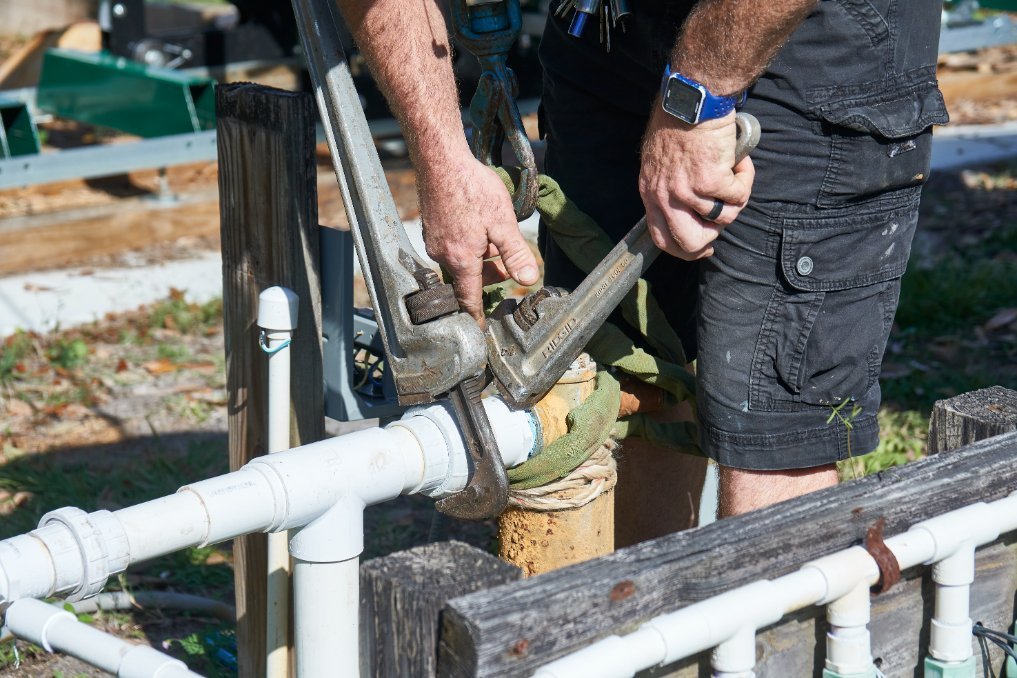
For properties that rely on a private well, the well pump is responsible for something most households rarely have to think about: moving water from the source to the plumbing system whenever it is needed. Every shower, toilet flush, laundry cycle, and open faucet depends on the pump and related components maintaining dependable water delivery.
This makes well pump trouble very different from a problem affecting a single fixture. When the pump loses pressure, short cycles, runs continuously, or stops working altogether, the entire property’s water supply can be affected. For Newmarket homeowners using private water systems, recognizing these warning signs early can help prevent an unexpected loss of water and reduce unnecessary strain on the equipment.
Arranging a professional plumbing service for Well Pump Repair in Newmarket when performance begins changing allows the pump, pressure system, and related plumbing components to be assessed before the problem progresses.
A Private Well Changes How Your Plumbing System Works
Properties connected to a municipal water system receive water that has already been pressurized for distribution. A private well system must create and manage that pressure on the property.
Depending on the setup, the system can include:
- A well pump
- Pressure tank
- Pressure switch
- Check valve
- Electrical controls
- Supply piping
- Filtration or treatment equipment
A problem with any of these components may appear to the homeowner as a pump failure even when the pump itself is still operational.
Why the Well Pump Is So Important
The pump’s job is to move water from the well and make it available to the building.
Without dependable pump operation, basic activities can become difficult or impossible, including:
- Showering
- Washing dishes
- Flushing toilets
- Doing laundry
- Cleaning
- Using water-dependent appliances
For businesses or larger properties, the interruption can affect normal operations even more significantly.
Complete Loss of Water Needs Immediate Investigation
Turning on a faucet and receiving no water is one of the clearest signs that something is wrong.
However, it does not automatically mean the pump must be replaced.
Possible causes can include:
- Electrical interruption
- Pressure switch failure
- Pump problems
- Control issues
- Low well conditions
- Plumbing leaks
Correct diagnosis is important before assuming the most expensive component has failed.
Low Water Pressure Can Be an Early Warning
Well pump problems do not always result in complete water loss.
Pressure may gradually become weaker at:
- Showers
- Faucets
- Toilets
- Appliances
If several fixtures experience low pressure simultaneously, the issue may involve the pressure system, pump performance, filtration equipment, or another shared component.
Pressure That Constantly Changes Deserves Attention
A well system should provide reasonably consistent water pressure within its designed operating range.
Noticeable fluctuations may indicate trouble with:
- Pressure tank operation
- Pressure switch settings
- Pump cycling
- Water demand
- Plumbing restrictions
Changes that persist should be investigated rather than accepted as normal.
Short Cycling Can Damage Pump Equipment
Short cycling occurs when a well pump turns on and off much more frequently than it should.
Instead of completing normal operating cycles, the pump repeatedly starts and stops.
This may be associated with:
- Pressure tank problems
- Incorrect pressure conditions
- Leaks
- Switch issues
- Other system faults
Frequent cycling can place additional mechanical and electrical stress on the pump.
A Pump That Runs Continuously Is Also a Concern
The opposite condition can be equally problematic.
A pump that rarely shuts off may be struggling to build or maintain the required system pressure.
Possible causes can include:
- Plumbing leaks
- Pump deterioration
- Pressure system problems
- Well-related conditions
- Faulty controls
Continuous operation can increase energy consumption while placing unnecessary strain on equipment.
The Pressure Tank Has an Important Job
The pressure tank helps maintain usable water pressure and reduces how frequently the pump needs to start.
When the tank is not operating properly, homeowners may experience:
- Rapid pressure fluctuations
- Frequent pump cycling
- Unusual system behaviour
- Reduced pump efficiency
This is why well pump diagnosis should generally include an evaluation of the pressure tank.
Pressure Switch Problems Can Look Like Pump Failure
The pressure switch tells the pump when system pressure has fallen enough to require operation and when the desired pressure has been restored.
If the switch becomes damaged, worn, or obstructed, the pump may not respond correctly.
Symptoms can include:
- Failure to start
- Failure to stop
- Irregular cycling
- Inconsistent pressure
Replacing the pump without checking the controls could leave the original problem unresolved.
Air Coming from Faucets Can Indicate a System Problem
Water that spits or sputters from faucets may suggest air is entering the plumbing system.
There can be several potential causes depending on the well and piping arrangement.
If the symptom continues, professional inspection can help determine whether the issue is associated with the pump, well conditions, or plumbing connections.
Strange Noises Should Not Be Ignored
Changes in the sound of well equipment can provide useful warning signs.
Property owners may notice:
- Clicking
- Humming
- Rapid switching sounds
- Unusual vibration
- New mechanical noises
A new sound does not automatically indicate major failure, but combining it with pressure or water-supply changes provides a good reason for inspection.
Increased Electricity Consumption Can Be a Clue
A pump that operates longer or more frequently than normal may consume additional electricity.
If energy usage increases without an obvious change in household water consumption, inefficient pump operation may be one factor worth investigating.
This can happen when the system is struggling to maintain pressure or cycling unnecessarily.
Hidden Plumbing Leaks Can Affect Well Pump Operation
Sometimes the pump is working correctly but responding to water being lost elsewhere.
A concealed leak can continuously reduce system pressure, causing the pump to run more frequently.
Potential leak locations include:
- Underground supply piping
- Interior water lines
- Toilets
- Outdoor connections
- Other plumbing components
Finding the water loss is essential before blaming the pump.
Sediment Can Affect Private Water Systems
Well systems can sometimes experience sediment entering the water supply.
Property owners may notice:
- Grit
- Cloudiness
- Clogged aerators
- Reduced fixture flow
- Changes in filtration performance
The source should be evaluated because sediment can have several causes and may affect more than one component.
Water Quality Changes Require Proper Investigation
A private water supply places greater responsibility on the property owner for monitoring water conditions.
Unexpected changes in:
- Colour
- Taste
- Odour
- Clarity
should not automatically be attributed to the pump.
Water quality concerns may require appropriate testing and evaluation of the well and treatment system.
Why Reliable Water Pressure Matters
Adequate pressure affects more than shower comfort.
It supports normal operation of:
- Washing machines
- Dishwashers
- Toilets
- Faucets
- Showers
- Water treatment equipment
A dependable private water system must deliver both sufficient water and appropriate pressure for the property’s requirements.
Seasonal Conditions Can Affect Well Systems
Private wells can respond differently to seasonal changes depending on groundwater conditions, usage, equipment, and well construction.
Property owners may notice changes during periods of:
- Heavy household demand
- Extended dry weather
- Seasonal temperature changes
- Increased outdoor water use
A professional assessment can help distinguish a plumbing or equipment failure from conditions related to the water source.
Why DIY Diagnosis Can Become Complicated
A homeowner experiencing no water may understandably suspect the pump immediately.
However, well systems combine:
- Water
- Electricity
- Pressurized equipment
- Underground components
- Mechanical controls
Testing or repairing these systems without appropriate knowledge can create safety risks or lead to unnecessary component replacement.
Working with an expert plumbing company can help isolate the failed part before major repairs are recommended.
Repairing the Pump Versus Replacing It
Not every well pump problem requires complete replacement.
Repair may be possible when the issue involves a serviceable component or another part of the pressure system.
Replacement may become more practical when:
- The pump is significantly deteriorated
- Major internal failure has occurred
- Repairs are becoming frequent
- Performance remains unreliable
- Equipment is no longer suitable for the property’s needs
The decision should be based on diagnosis rather than equipment age alone.
The Correct Pump Must Match the Property
If replacement becomes necessary, choosing equipment should involve more than purchasing a pump with similar dimensions.
Important considerations may include:
- Well characteristics
- Required water volume
- Property demand
- Pressure requirements
- Existing system design
Proper sizing helps avoid poor performance and unnecessary equipment stress.
Homes With Higher Water Demand Need Careful Planning
Larger households may place substantial demand on a private well system.
Simultaneous activities such as showering, laundry, dishwashing, and outdoor water use can test system capacity.
If pressure problems occur mainly during periods of high demand, the entire system should be evaluated rather than focusing only on one fixture.
Commercial and Rural Properties Depend Heavily on Reliability
A private water supply may serve more than a residential home.
Depending on the property, well water may support:
- Businesses
- Workshops
- Agricultural activities
- Multi-building properties
- Commercial facilities
Unexpected pump failure can therefore interrupt far more than household convenience.
Preventive Inspection Can Reduce Unexpected Water Loss
Waiting until no water reaches the faucets is not always the best maintenance strategy.
Early warning signs may include:
- Increasing pump cycles
- Falling pressure
- Longer operating times
- Unusual sounds
- Air in water lines
- Changes in water clarity
Investigating these symptoms can sometimes identify a problem while the system is still operational.
Do Not Overlook the Pressure Gauge
Where installed and functioning correctly, the pressure gauge can provide useful information about system behaviour.
Unusual readings may help identify:
- Failure to build pressure
- Rapid pressure loss
- Cycling irregularities
Gauge information should be considered alongside other system symptoms.
Protecting the Well Pump From Unnecessary Strain
Property owners can support pump longevity by paying attention to the complete plumbing system.
Helpful practices include:
- Repairing leaks promptly
- Monitoring pressure changes
- Avoiding unnecessary excessive water demand
- Maintaining treatment equipment
- Investigating frequent cycling
- Scheduling service when performance changes
Reducing unnecessary operation can help limit wear.
Why Local Knowledge Matters
Private water systems can differ considerably between properties.
A trusted local plumber in Newmarket can evaluate the well pump in the context of the property’s pressure system, plumbing arrangement, water demand, and observed symptoms rather than applying the same solution to every situation.
This is particularly important when several components could be responsible for similar performance problems.
The Importance of a Dependable Private Water Supply
A reliable private water system gives a property access to water without depending on a municipal distribution connection, but that independence also makes equipment maintenance essential.
When the well system is functioning properly, water availability can feel automatic. When it fails, virtually every water-dependent activity is immediately affected.
Maintaining the pump and related equipment helps protect:
- Daily household routines
- Plumbing fixture performance
- Appliance operation
- Property functionality
- Consistent water pressure
That makes well pump care an important part of maintaining the property rather than simply an emergency repair.
Final Thoughts
Well pump repair in Newmarket requires looking beyond the pump itself. Pressure tanks, switches, controls, plumbing leaks, supply piping, water demand, and well conditions can all influence how a private water system performs.
Symptoms such as low pressure, frequent cycling, continuous operation, air at faucets, unusual noises, or complete water loss should be investigated before they become more disruptive. Accurate diagnosis can determine whether the problem requires adjustment, component repair, pump servicing, or eventual replacement.
For properties dependent on private wells, maintaining reliable water delivery is essential. With timely professional attention and awareness of early warning signs, property owners can reduce unexpected interruptions and help keep their private water systems dependable throughout the year.