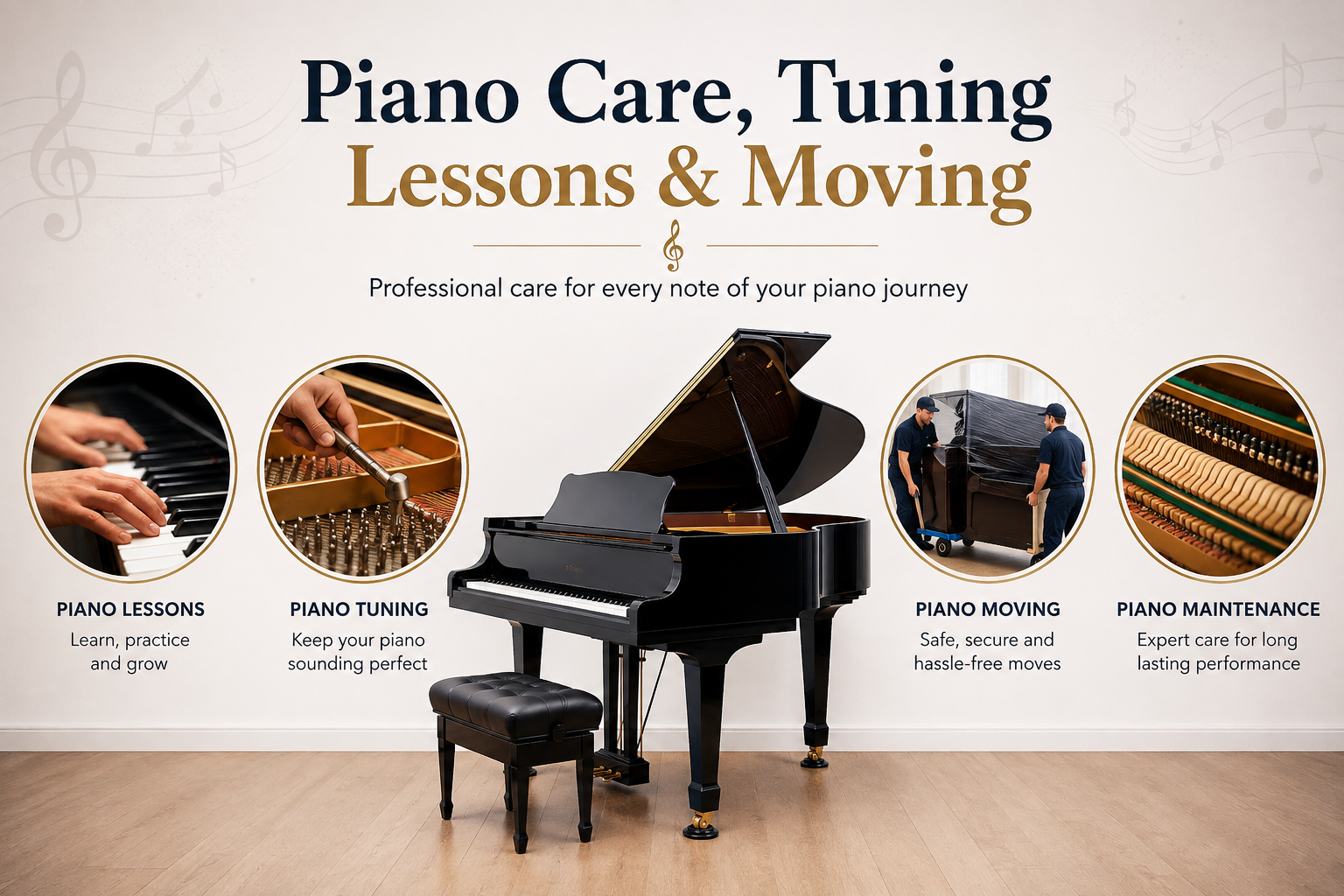
Learning to play the piano can be an exciting and rewarding experience. Whether you are a complete beginner, a parent looking for lessons for your child, or someone who has always wanted to learn an instrument, having the right teacher can make a big difference. A good teacher does more than simply teach notes and chords. They help students build confidence, develop good habits, understand music, and enjoy the learning process.
However, finding the right teacher is not always easy. There are many teachers with different teaching styles, experience levels, and areas of expertise. Taking some time to understand what to look for can help you make a better choice.
Consider the Student’s Goals
The first thing to think about is why the student wants to learn piano. Everyone has different goals. Some beginners may simply want to learn their favourite songs, while others may have more serious ambitions, such as preparing for exams or eventually performing in front of an audience.
Children may need a teacher who makes lessons interesting and enjoyable, while adult beginners might prefer a more flexible approach that fits around work or other responsibilities.
Before choosing among different piano teachers, consider what you want to achieve. Knowing your goals can make it easier to find someone whose teaching approach matches your expectations.
Look at Teaching Experience
Experience is another important factor. A teacher who has worked with beginners before will usually understand the challenges new students face. Learning an instrument requires patience, practice, and time, so beginners can benefit from a teacher who knows how to explain difficult concepts in a simple way.
It is also useful to consider whether the teacher has experience teaching the student’s age group. Teaching a young child can be very different from teaching an adult. A teacher who is comfortable working with different types of students may be able to adjust their lessons accordingly.
Experience does not always mean that a teacher has to be extremely formal or have decades of teaching behind them. What matters most is whether they can communicate clearly and help students make steady progress.
Find a Teaching Style That Feels Comfortable
Every piano teacher has their own teaching style. Some may focus heavily on traditional music theory and reading sheet music, while others may include popular songs and practical playing exercises in their lessons.
Neither approach is necessarily better for everyone. The best option depends on the student.
A beginner who becomes bored easily may enjoy lessons that include familiar songs and creative activities. Someone who wants to develop strong classical skills may prefer a more structured approach.
If possible, ask a potential teacher how they normally organise their lessons. This can give you a better idea of whether their teaching style will suit the student.
Check Lesson Location and Schedule
Practical details are also important when choosing a piano teacher. Even an excellent teacher may not be the right choice if their schedule or location makes regular lessons difficult.
Some teachers offer lessons at their own studio, while others may travel to the student’s home. Online lessons can also be an option for some learners.
Think about how much time you can realistically dedicate to lessons and practice. A convenient schedule makes it easier to maintain consistency.
For beginners, regular practice is often more valuable than occasional long sessions. Choosing a teacher whose availability fits your routine can therefore make a significant difference in maintaining progress.
Ask About Lesson Structure
It is a good idea to ask what normally happens during a lesson. A well-organised lesson may include a combination of technique, music reading, theory, exercises, and playing songs.
Beginners often need time to become familiar with basic concepts such as notes, rhythm, finger positioning, and scales. A teacher should be able to introduce these skills gradually instead of overwhelming the student with too much information at once.
You can also ask whether the teacher provides practice exercises or recommends specific pieces between lessons. Having clear goals for practice can help students stay focused during the week.
Think About Communication
Good communication between teacher and student is essential. Students should feel comfortable asking questions when they do not understand something.
A teacher who explains concepts patiently can make difficult parts of learning much easier. Beginners may make mistakes frequently, and that is completely normal. The learning environment should encourage students to keep trying rather than feel embarrassed about mistakes.
This is especially important for children. A supportive teacher can help young learners develop confidence while they improve their musical skills.
Consider the Cost
Lesson prices can vary depending on the teacher’s experience, location, lesson length, and format. Before starting, make sure you understand the full cost and how payments work.
It can be tempting to choose a teacher simply because they offer the lowest price. However, price should not be the only factor. The most affordable option may not necessarily provide the best learning experience, while a more expensive teacher is not automatically the best either.
Instead, consider the overall value. A teacher who provides suitable lessons, useful feedback, and consistent support may be a better choice for long-term learning.
Read Reviews and Ask Questions
Reviews and recommendations can also help when searching for a teacher. If other students or parents have had positive experiences, their feedback can provide useful information.
However, online reviews should not be the only thing you consider. Try to learn about the teacher’s experience, teaching style, availability, and approach as well.
Do not hesitate to ask questions before booking lessons. A professional teacher should be willing to explain how their lessons work and what a beginner can expect.
Give the Student Time to Adjust
Even after choosing a teacher, it may take a little time for the student to feel comfortable. Learning piano is a gradual process, and progress will not always happen at the same speed.
Some weeks may feel easier than others. Students may struggle with a particular piece or technique before eventually understanding it. This is a normal part of learning an instrument.
The right teacher can help students work through these challenges while keeping them motivated.
Final Thoughts
Choosing the right piano teacher is an important first step for anyone beginning their musical journey. The ideal teacher should match the student’s goals, learning style, schedule, and personality.
Instead of choosing quickly, take some time to compare your options and ask questions. Consider experience, teaching methods, lesson structure, communication, location, and cost before making a decision.
Most importantly, look for a teacher who can make learning enjoyable while helping the student develop strong musical foundations. With the right guidance, regular practice, and patience, beginners can build their skills and discover the enjoyment that comes from playing the piano.