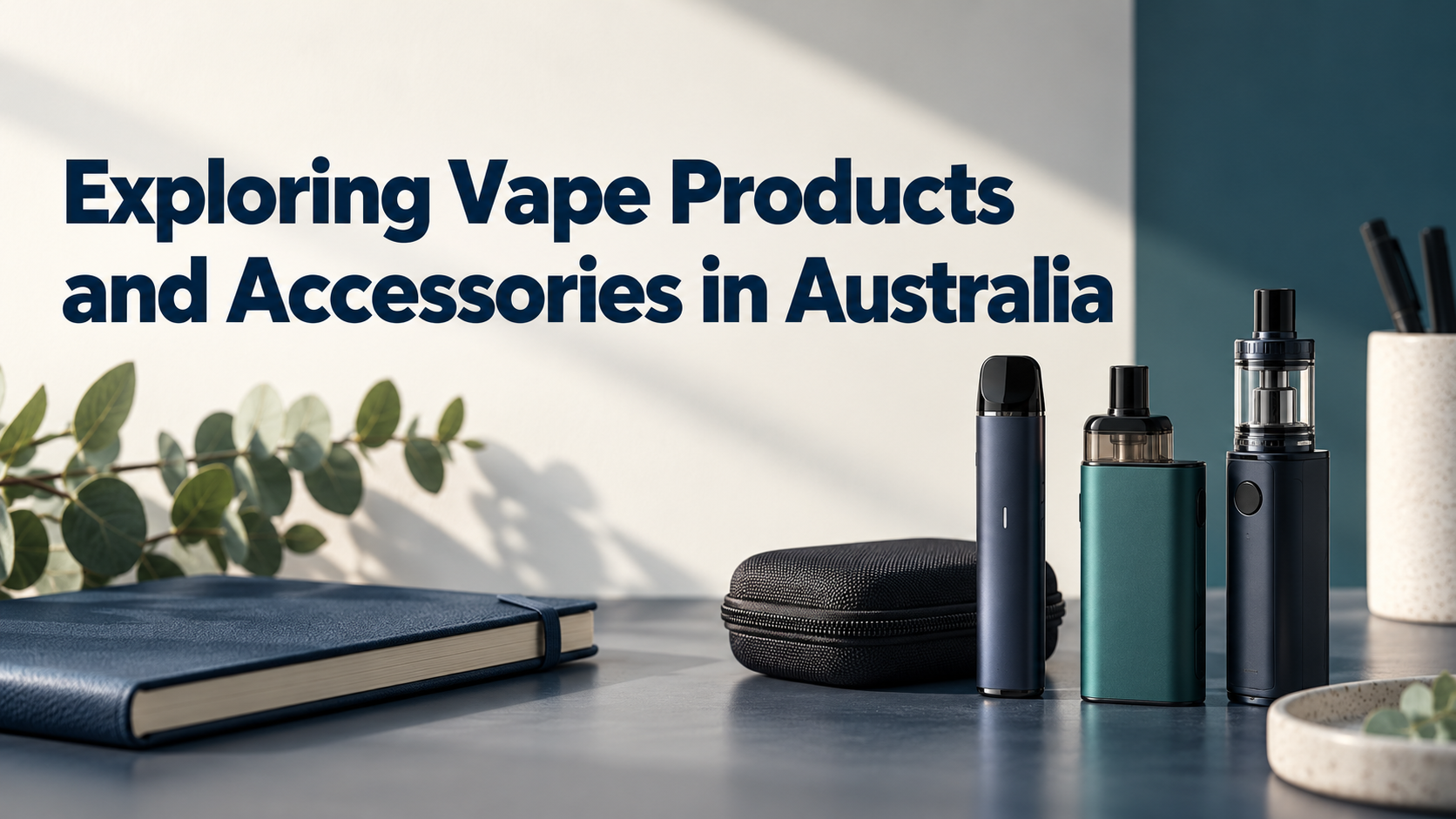
Online vape catalogues are designed for quick browsing. A visitor encounters familiar brands, colourful product names, specifications and delivery promises within seconds. Yet product pages rarely explain every detail a reader might want to know. Understanding the differences between device types, looking closely at product descriptions and considering health and waste can make the browsing experience more informed. These questions are useful even for someone who has no intention of purchasing anything and simply wants to understand what the products are.
What an Online Catalogue Shows
Just Vape Shop Sydney presents itself as an online Australian store listing disposable vapes, vape kits, dry herb vaporizers and accessories. Its website groups products under brands including IGET, ALIBARBAR, WAKA, YOONE and GEEK BAR. It also advertises Australia-wide delivery. The range brings several types of devices together, giving visitors a convenient overview of the categories available on the website.
The site’s navigation reflects a common approach to digital shopping. Brand categories help visitors find a recognised name, while product pages display photographs, descriptions and prices. This arrangement makes a large selection feel manageable, but it also encourages rapid decisions based on limited information. A product photograph can show its shape and packaging. It cannot verify what is inside the device, how consistently it performs or whether every statement on the label is accurate.
The Difference Between Device Types
Disposable vapes are generally presented as self-contained devices intended for use until their contents or battery are depleted. Their appeal is often framed around simplicity, because they require little setup. That simplicity can obscure important details, including what the device contains and what happens to its battery after use.
Vape kits may contain parts that can be charged, refilled or replaced, depending on the design. Their descriptions often focus on compatibility and features. A reader comparing kits should distinguish between what is included in the package and what must be obtained separately. The words “kit” and “reusable” are broad descriptions, not precise guarantees about lifespan, repairability or the availability of replacement parts.
Dry herb vaporizers operate differently from devices described as e-liquid vapes. They are designed around a chamber for compatible material rather than a sealed liquid reservoir. Heating method, chamber size, cleaning needs and battery performance may therefore matter more than a flavour list or an estimated puff total. Accessories likewise vary widely, from carrying items to device components. The broad category name says little until the particular item’s purpose and compatibility are clear. Checking dimensions, charging requirements and cleaning instructions can also prevent confusion when similar products appear together in the same section.
Looking Beyond Brand Names
IGET, ALIBARBAR, WAKA, YOONE and GEEK BAR appear as brand categories on the website. Such labels help organise a catalogue and can make products easier to recognise across pages. They cannot, by themselves, answer questions about a specific item. Two devices displayed under the same brand may differ in capacity, design, ingredients or intended use. A reader should examine the individual description rather than assume that every listing shares the same characteristics.
Product names can also place emphasis on flavour or an eye-catching number. Those elements are memorable, which is why they work well online. They are less useful for understanding exposure, manufacturing consistency or long-term costs. When specifications are missing or vague, the absence itself is worth noticing. It is better to leave a question open than to infer an answer from branding.
Understanding Puff Counts
An advertised puff count looks like a convenient comparison tool. In practice, it is an estimate influenced by how a device is used. Puff duration, frequency and the device’s operation can all affect the experience. A number printed beside a product name should therefore not be treated as a dependable measure of how long it will last.
It is also a poor substitute for information about contents. Two devices with similar advertised counts may differ substantially in their ingredients or construction. Conversely, a larger number does not demonstrate better quality. Readers can use the figure to understand how a seller positions a product, while remembering that it provides only one narrow piece of the picture.
Flavour descriptions work in a similar way. A name may suggest fruit, mint or another familiar taste, but it does not disclose the complete composition of an aerosol. Appealing language can influence attention without supplying the information needed to assess health effects. That gap deserves more consideration than the cleverness of a product name.
Delivery and Customer Information
The website advertises Australia-wide delivery, a feature that may draw visitors from outside Sydney. Delivery information answers a practical question about where a store says it can send orders. It does not answer every question about stock, shipping times, product condition on arrival or the handling of customer enquiries. A reader evaluating any online store should look at the specific details provided for an order.
Clear information about returns, support and product descriptions can make an online catalogue easier to assess. Even then, customer service details are not evidence that a device has been independently tested or that its label is complete. Contact information provides a way to ask questions; the quality of the answers matters more than the mere presence of a contact page.
Health Questions Deserve Their Own Space
A retail description is written to explain or present a product, not to assess anyone’s medical circumstances. Australian health guidance notes risks associated with vaping, including nicotine dependence and exposure to substances in aerosols. It advises people considering e-cigarettes as a way to quit smoking to speak with a doctor about their options. Someone who does not smoke should be especially wary of treating an attractive catalogue as a reason to start.
Health decisions also depend on information that a product page may omit. A person’s smoking history, existing conditions and reasons for considering a device cannot be captured by a flavour menu or a list of features. If the goal is to stop smoking or vaping, a clinician can discuss established approaches and ongoing support.
Readers should also remember that the visible vapour is an aerosol. The absence of the smell associated with tobacco smoke does not mean there is no exposure for the person using a device or others nearby. Careful language helps here: neither blanket reassurance nor dramatic assumptions are a substitute for evidence and individual advice.
The Waste Behind a Small Device
Disposable products combine electronic parts, a battery and packaging in an item designed for a short period of use. That creates a practical waste question that rarely receives the same prominence as convenience or flavour. A person thinking about the full life of a product should consider how frequently devices might be discarded and whether local collection options accept them.
Damaged batteries require particular care. Local guidance on batteries and electronic waste is a better source of disposal instructions than a general bin label. Even reusable devices have batteries and components that eventually need attention, so replacement parts, durability and maintenance deserve consideration. Looking beyond the moment of use makes the environmental costs easier to see.
Making Sense of Product Information
A useful habit is to pause over what a listing actually establishes. Does it identify the device type clearly? Are the contents and included components described? Are estimates of lifespan presented as reasonable estimates? Can questions be directed to a responsive support channel?
Just Vape Shop Sydney illustrates both the convenience and the limits of a neatly organised online catalogue. Brand menus, device categories and delivery information make products easy to locate. They cannot replace thoughtful comparisons, reliable health information or attention to waste. The strongest approach is to notice what a page says, identify what it leaves unanswered and seek trustworthy advice where the stakes extend beyond an ordinary purchase.