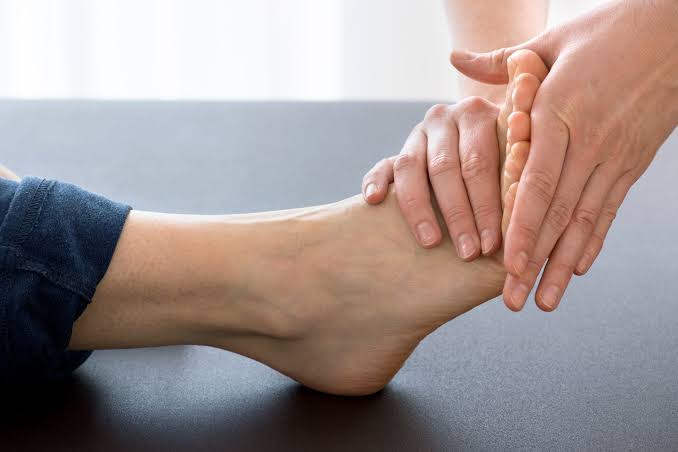
For many people, the most uncomfortable part of the day begins before breakfast. They get out of bed, place their feet on the floor, and feel a sharp or pulling pain beneath one heel. After walking around for a few minutes, the discomfort may ease, making it tempting to forget about it until the same problem returns the next morning.
This pattern is often associated with plantar fasciitis, a condition affecting the tissue that supports the arch of the foot. Understanding why the pain appears after rest can help people recognise the symptoms, adjust their routines, and decide when professional advice may be necessary.
What Happens to the Foot During Rest?
The plantar fascia is a strong band of connective tissue that extends from the heel bone towards the toes. It helps support the foot’s arch and manages forces during standing, walking, and running.
During sleep or prolonged sitting, the foot remains relatively inactive. When someone stands up, the plantar fascia comes under tension as the foot begins to bear weight. If the tissue is already irritated, this sudden return to loading may trigger pain.
The discomfort is often felt around the underside of the heel, although it can extend into the arch. Some people describe it as a sharp sensation, while others experience stiffness or a deep ache.
As walking continues, the tissue gradually adapts to movement, and the pain may temporarily become less noticeable. However, this improvement does not necessarily mean the underlying problem has been resolved.
Why Is Morning Pain So Common?
Several factors may help explain why plantar fasciitis symptoms are particularly noticeable after rest.
The First Steps Place Stress on Sensitive Tissue
Standing transfers body weight through the feet. During walking, the plantar fascia stretches and helps support the arch with each step. When the tissue is irritated, the initial loading after a period of rest may be uncomfortable.
This is why some people instinctively walk slowly or avoid placing their full weight on the affected heel when they first get out of bed.
Tight Calf Muscles May Contribute
The calf muscles and Achilles tendon influence ankle movement. If the calf muscles are tight, movement at the ankle may be restricted, potentially increasing tension through the foot during certain activities.
Gentle stretching may help some people, but exercises should be chosen according to the individual’s symptoms and should not force the foot into a painful position.
Daily Activities Can Aggravate Symptoms
Morning discomfort may be followed by further pain after long walks, running, standing for hours, or exercising on hard surfaces. Shoes that do not provide suitable support may also aggravate symptoms.
People who increase their activity suddenly may notice that their feet feel worse the following morning. Recognising these patterns can help identify activities that need temporary adjustment.
Is Every Case of Morning Heel Pain Plantar Fasciitis?
No. Although plantar fasciitis is a common cause, other conditions can produce similar symptoms.
Achilles tendon problems typically cause discomfort towards the back of the heel. Heel pad irritation may create a bruised sensation directly beneath the centre of the heel. Stress injuries, nerve-related conditions, and other foot problems can also cause pain.
The location and timing of symptoms provide useful clues, but they cannot confirm the diagnosis on their own. Persistent pain should be assessed, especially when the symptoms differ from the usual pattern or continue to worsen. Once the underlying cause is identified, Plantar fasciitis treatment can be considered when this condition is responsible for the discomfort.
What Can Help Before Taking Your First Steps?
A few simple adjustments may make mornings more comfortable while you address the underlying problem.
Move the Foot Gently Before Standing
While sitting on the edge of the bed, gently move your ankle up and down and wiggle your toes. You can also try a comfortable calf or foot stretch if it does not increase the pain.
Avoid forcing the movement or bouncing aggressively. If a particular exercise causes sharp pain, stop and ask a healthcare professional whether another approach would be more suitable.
Wear Supportive Indoor Footwear
Walking barefoot across hard floors may increase discomfort for some people with plantar fasciitis. Comfortable indoor shoes or slippers with appropriate cushioning and support may make the first steps easier.
The aim is to reduce aggravating pressure, not to assume that everyone needs the same footwear or an expensive insole.
Review Your Daily Activity
If symptoms become worse after long periods of standing, running, or walking, temporarily reduce the activities that trigger the pain. Where appropriate, choose lower-impact activities while the foot settles.
Avoid returning immediately to intense exercise as soon as the pain improves. Gradual progression can help reduce the risk of aggravating the symptoms again.
Consider Cold Therapy
A cold pack wrapped in a towel may provide temporary relief after activity. Use it for around 10–15 minutes and never apply ice directly to the skin. If you have reduced sensation or circulation, seek professional advice before using cold therapy.
How Professional Assessment Can Help
If morning heel pain keeps returning or begins to affect your walking, a qualified Podiatrist in Singapore can assess the foot and consider possible causes. The assessment may include questions about when the pain occurs, examination of the heel and arch, and a review of footwear and daily activities.
Treatment should reflect the underlying problem rather than focus only on the morning symptoms. A personalised plan for Plantar fasciitis treatment may include stretching, strengthening, footwear recommendations, activity adjustments, or other suitable options.
If the symptoms suggest a stress fracture, tendon injury, or another condition, additional investigation or referral may be appropriate.
Seek prompt medical attention if pain is sudden and severe, follows a significant injury, causes substantial swelling, or makes it difficult to bear weight. People with diabetes or reduced foot sensation should also seek early advice for new foot pain.
Can the Pain Return After It Improves?
Yes. Symptoms can fluctuate according to activity levels, footwear, and recovery time. Someone may feel better after reducing their walking distance, only to experience discomfort again after a long day on their feet.
This does not automatically mean treatment has failed. It may indicate that the foot needs more time to adapt or that the activity level has increased too quickly. Keeping a simple record of pain patterns can help identify these triggers.
Conclusion
Morning heel pain is a familiar symptom of plantar fasciitis because the first steps after rest place tension on already sensitive tissue. Tight calf muscles, daily activity levels, and footwear may also influence discomfort.
Gentle movement, supportive shoes, and sensible activity adjustments may help, but recurring pain should not be ignored. An appropriate assessment can clarify the cause and guide a treatment plan designed to improve comfort throughout the day, not just during the first few steps.