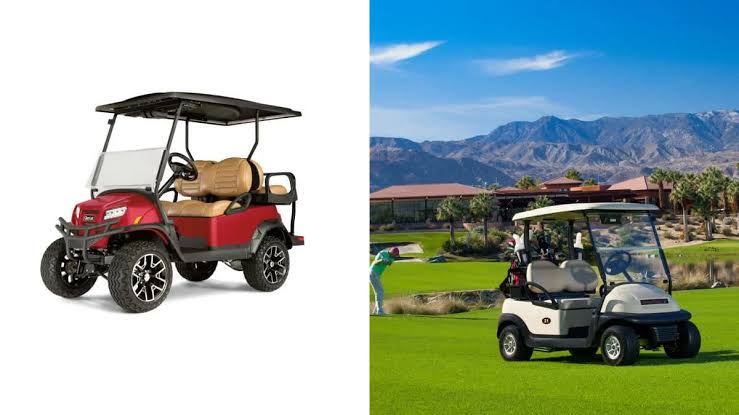
Choosing between the Club Car Onward and Club Car Tempo requires more than comparing their appearance or specifications. Both models come from a manufacturer recognized for producing durable golf carts, but they serve different driving needs. The Onward focuses on personal transportation, comfort, and customization, while the Tempo is primarily designed for golf course operations and practical fleet use.
Understanding how these differences affect everyday driving can help buyers select a cart that matches their lifestyle, property requirements, and transportation habits.
Club Car Onward: Designed for Personal Transportation
The Club Car Onward is built for individuals who want a golf cart that offers convenience, comfort, and personal style. It is particularly appealing to homeowners, recreational drivers, and people living in communities where golf carts are commonly used for short trips.
One of the Onward’s distinguishing features is its customization potential. Depending on the configuration, buyers can choose different seating arrangements, exterior colors, wheel designs, and accessories. This flexibility allows owners to create a cart that reflects their preferences while meeting practical transportation needs.
Buyers exploring these options through a Club Car dealer in North Carolina can compare available Onward configurations and determine which features suit their driving environment. Whether the cart will be used for neighborhood transportation, community activities, or recreational outings, selecting the right configuration can improve everyday convenience.
Club Car Tempo: Built for Practical Performance
The Club Car Tempo takes a different approach by emphasizing efficiency, durability, and straightforward operation. Originally developed with golf course fleet requirements in mind, the Tempo is designed to handle frequent use while maintaining consistent performance.
Its practical design makes it suitable for golf facilities, resorts, and other properties that require dependable transportation. Rather than emphasizing extensive personalization, the Tempo focuses on features that support routine operation and manageable maintenance.
For buyers who prioritize functionality over decorative upgrades, the Tempo presents an attractive option. Its familiar golf cart layout, practical seating, and purpose-driven construction make it especially suitable for transporting golfers and equipment around established courses.
Comfort and Driving Experience
When choosing a golf cart, comfort is crucial, particularly for drivers who anticipate spending a lot of time behind the wheel.
The Club Car Onward offers a more personalized driving experience, with available comfort features and seating configurations intended for recreational use. Depending on the model, passengers may benefit from additional seating capacity and accessories that make longer community trips more enjoyable.
The Tempo provides a straightforward driving experience focused on golf course transportation. Its seating arrangement and controls are designed to accommodate regular use without unnecessary complexity.
Drivers who frequently travel with family members or friends may appreciate the Onward’s flexibility. Those who primarily need reliable transportation between golf course locations may find the Tempo more appropriate.
Performance and Power Options
Although the available engine choices differ by model year and market, both vehicles are built to give reliable performance.
The Onward lineup includes electric and gasoline-powered options, allowing buyers to consider their preferred operating characteristics. Electric configurations offer quiet operation and convenient charging, while gasoline versions can appeal to drivers who prefer traditional refueling.
Tempo configurations have also been offered with different power options, particularly for fleet applications. Buyers should confirm the specifications of the particular vehicle they are considering rather than assuming every Tempo has identical equipment.
Terrain, passenger weight, driving frequency, and maintenance practices can all influence performance. Evaluating these factors provides a more realistic picture of how each cart will perform during everyday use.
Customization and Exterior Appearance
Visual appeal is another area where the two models differ considerably. The Onward offers numerous personalization possibilities, including distinctive exterior finishes, upgraded wheels, lighting packages, and seating options. These choices make it attractive to buyers who want their golf cart to complement their home or personal style.
The Tempo maintains a more traditional appearance that emphasizes practicality. Although accessories and modifications may be available, its primary purpose is dependable transportation rather than extensive personalization. For drivers who value appearance alongside functionality, the Onward generally offers greater flexibility.
Maintenance and Long-Term Ownership
Maintenance requirements should influence any golf cart purchasing decision. Both models benefit from regular tire inspections, brake checks, battery care, and routine servicing.
The Tempo’s fleet-oriented design can be appealing to operators managing multiple carts because standardized equipment may simplify servicing and replacement planning.
The Onward may require additional attention when equipped with specialized accessories or upgraded features. However, proper maintenance can help preserve its appearance, comfort, and performance over time.
Buyers should also consider replacement parts availability, warranty coverage, and access to qualified technicians before making a final decision.
Which Club Car Model Should You Choose?
The best option will depend on who will use the cart, how often it will be driven, and where it will be used.
The Club Car Onward is generally better suited to personal transportation, neighborhood recreation, and buyers seeking customization. Its available seating configurations and comfort features make it attractive for everyday lifestyle applications.
The Club Car Tempo is particularly appropriate for golf courses, commercial properties, and operators who value straightforward functionality. Its practical design supports routine transportation without requiring extensive customization.
Conclusion
The Club Car Onward and Tempo offer different advantages despite sharing the same manufacturer. The Onward emphasizes personal comfort, appearance, and versatility, while the Tempo prioritizes practical operation and fleet-oriented reliability.
Before purchasing, consider your typical driving distance, passenger requirements, terrain, maintenance expectations, and budget. Comparing both models in person and taking a test drive can help identify which golf cart provides the right combination of comfort, functionality, and long-term value.