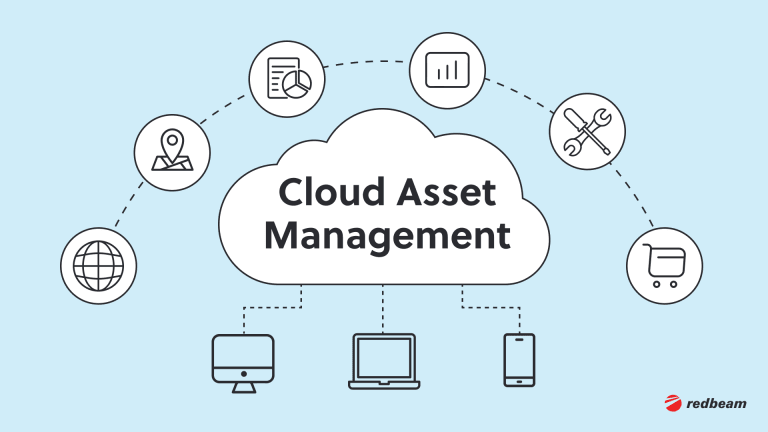
Cloud environments rarely become difficult to manage because of a single decision. Complexity builds gradually. New workloads are added. Teams expand. AI platforms consume more resources. Over time, the gap between what exists and what is understood begins to widen.
This is where cloud asset monitoring shifts from a background activity into a core operational requirement.
At smaller scales, periodic reviews and dashboards may be sufficient. As usage grows and becomes shared across teams and platforms, those approaches stop providing timely insight. Monitoring must evolve from static observation to continuous understanding.
Cloud asset monitoring is often misunderstood as simple tracking. In reality, its value lies in revealing behavior. Assets do not exist in isolation. They are consumed unevenly, peak at specific times, and interact with other systems in ways that inventories alone cannot explain.
When monitoring focuses only on presence, organizations miss early warning signs. Idle capacity goes unnoticed. Access constraints appear suddenly. Costs rise without clear drivers.
Effective monitoring begins to answer different questions:
– When are assets actually used, not just available?
– Which resources experience contention during critical windows?
– Where does demand spike unexpectedly across platforms?
Cloud Asset Tracking
As environments grow, fragmentation becomes the biggest challenge. Infrastructure may live in one set of tools. SaaS subscriptions in another. Licenses somewhere else entirely. Each system reports activity differently, making it difficult to see cause and effect.
Without multi-cloud asset tracking, monitoring remains fragmented. Teams see symptoms in isolation rather than patterns across environments. One group experiences access issues. Another sees rising costs. Neither can explain how the two are connected.
Unified monitoring restores context. It allows organizations to correlate demand across platforms and understand how assets interact under real conditions.
Licenses are often the first assets to expose monitoring gaps. Shared licenses behave like scarce resources. Their value depends on timing and availability. When usage is invisible, access becomes unpredictable.
Organizations often respond in predictable ways:
– They overbuy licenses to avoid complaints
– They restrict access to control demand
– They accept disruption as unavoidable
None of these approaches scale.
When cloud license management tools are informed by monitoring data, organizations gain leverage. They can anticipate peak usage, rebalance access, and ensure availability without unnecessary spend.
Monitoring also changes internal conversations. IT teams move away from firefighting. Finance teams gain clarity on why costs change. Operations teams stop guessing where bottlenecks originate.
This shared understanding builds trust. Decisions feel less urgent and more deliberate. Monitoring stops being reactive and becomes a stabilizing force.
Cloud asset monitoring does not eliminate complexity. It makes complexity visible. That distinction matters. Visibility allows organizations to respond early, adjust gradually, and avoid disruptive corrections.
As cloud and AI usage scale, assumptions stop working.
Cloud asset monitoring provides the behavioral insight organizations need to manage assets under real-world conditions. When usage is visible across platforms, teams regain control without sacrificing flexibility. Complexity remains—but it becomes manageable.