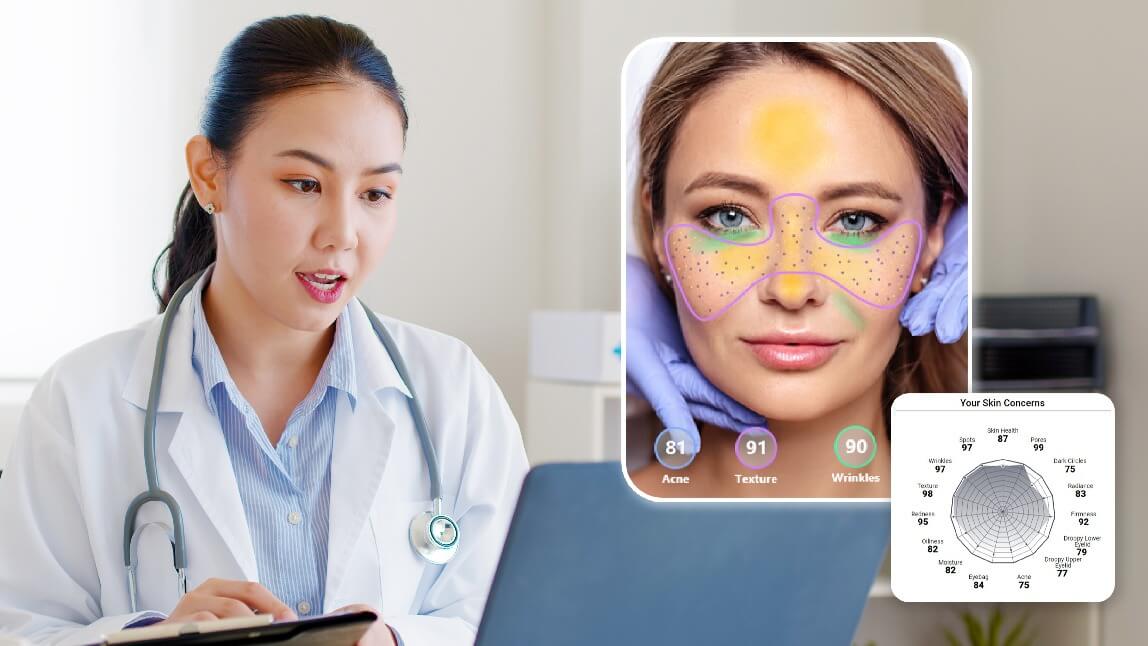
Technology used to feel like an outsider in the consultation room. It was a bulky computer in the corner; a glowing screen that stole eye contact from the patient. Times have changed. We are seeing a complete transformation in how skin health is managed, moving from manual charts to integrated ecosystems that actually talk to each other. Scaling a practice today is not about hiring more people to manage the phones. It is about choosing tools that do the heavy lifting before a patient even walks through the door.
Digital integration is the quiet engine behind the most successful clinics right now. It is not just about having a website or an Instagram feed. It is about how your electronic records, your imaging, and your pharmacy links mesh together. When these pieces click, the clinical workflow starts to feel less like a hurdle and more like a paved road.
Precision Tools for Modern Outcomes
Practitioners are finding that the “old way” of doing things: paper intake forms, manual follow-up calls, physical filing: is the biggest bottleneck to growth. If you want to scale, you have to look at where the friction is. Usually, it is in the data entry. Modern platforms now offer 3D body mapping and AI-assisted lesion tracking. These tools do not replace the doctor; they act as a second pair of eyes that never gets tired. They allow for objective comparisons over time, which is something the human brain, as brilliant as it is, struggles to do with perfect accuracy over months or years.
This level of precision changes the conversation with the patient. Instead of saying “it looks a bit different,” you are showing them a digital overlay. You are proving the efficacy of the treatment. This builds a level of trust that keeps patients coming back, which is the actual secret to scaling.
Why Integration Matters for Growth
- Centralized Imaging:Storing high-resolution photos directly in the patient chart instead of a separate camera roll.
- Automated Scheduling:Letting the system handle reminders and deposits so the front desk can focus on the people in the room.
- Smart Inventory:Tracking every vial and bottle in real-time so you never run out of stock during a busy week.
- Telehealth Hybrid Models:Offering quick digital check-ins for routine follow-ups, freeing up physical chairs for procedures.
The Aesthetic Edge and Patient Retention
In the world of cosmetic dermatology, the pressure to deliver “undetectable” results is higher than it has ever been. Patients do not want to look like they have had work done; they want to look like the best version of themselves. This requires a very specific approach to product selection and injection technique. When a practice scales, the volume of aesthetic procedures goes up, making it even more vital to have a reliable supply chain. You need access to premium products that offer predictable, smooth integration into the tissue.
Consistency is the only way to maintain a reputation while growing. If you can provide a soft, natural correction for fine lines and volume loss every single time, your word-of-mouth marketing does the scaling for you. Many clinics now find it beneficial to buy belotero dermal filler because it offers that specific versatility needed for delicate areas like the perioral lines or the tear troughs. Having these reliable tools on hand means the practitioner can focus on the artistry of the face rather than worrying about how a product might behave under the skin.
Removing the Administrative Weight
Documentation is the silent killer of clinical joy. Most dermatologists spend hours every day just typing. It is exhausting. It leads to burnout. The newest wave of tech is focusing heavily on “ambient” solutions: AI scribes that listen to the conversation and draft the notes for you. This might sound like science fiction, but it is becoming the standard for high-volume practices in 2026.
When you remove the need to stare at a keyboard, the dynamic in the room shifts. You are back to being a healer. You are looking at the skin, not the screen. This shift in energy is palpable to the patient. They feel heard. They feel seen. Paradoxically, using more technology can actually make the practice feel more human.
Picking the Right Ecosystem
Not all software is created equal. Some systems are built for general practitioners and then “tweaked” for dermatology. These are usually a nightmare. You want something built by people who understand what a Mohs map is or why biopsy logs need to be a specific way.
- Cloud-Based Accessibility:Being able to check a chart from a tablet or a phone at home is no longer a luxury; it is a requirement for a modern lifestyle.
- Dermatology-Specific Templates:If you have to click through ten menus to find an acne protocol, the software is working against you.
- Patient Portals:Giving patients the power to see their own results and message the clinic directly reduces the “phone tag” that wastes so much staff time.
Data-Driven Decision Making
Scaling is essentially a math problem. You need to know which procedures are your most profitable and which ones are just taking up space on the calendar. Modern practice management tools provide dashboards that show you these metrics in real-time. You can see your no-show rates, your average spend per patient, and your most effective marketing channels.
Instead of guessing where to invest your next marketing dollar, you are looking at hard data. Maybe your chemical peels are underperforming, but your injectable business is booming. Or perhaps your Saturday morning slots are always empty. Having this visibility allows you to pivot quickly. A practice that can adapt based on data is a practice that can survive any market shift.
Security and the Digital Trust
As we move everything to the cloud, security becomes the bedrock of the practice. Patients are trusting us with their most personal information and their photos. A data breach is not just a legal headache; it is a total destruction of the brand you have worked years to build. This is why “cutting corners” on tech is never a good idea.
Cheap, non-compliant tools might save a few hundred dollars a month, but the risk is astronomical. Investing in HIPAA-compliant, end-to-end encrypted platforms is the only way to scale safely. It shows the patient that you respect their privacy as much as their health. When they see a professional, secure digital interface, it reinforces the idea that they are in expert hands.
Final Thoughts on the Future
The landscape of dermatology is changing fast. We are moving away from isolated clinics and toward connected, tech-enabled hubs of skin health. Scaling is no longer just about adding more rooms; it is about making the existing rooms smarter. It is about using AI to catch what the eye might miss, using automation to handle the “busy work,” and using the best products to ensure every patient leaves looking natural and refreshed.
The goal of all this integration is simple: to get back to the medicine. The tech should be invisible. It should be the wind at your back, not a wall in your face. If you pick the right tools today, you aren’t just growing a business; you are building a legacy of better care.