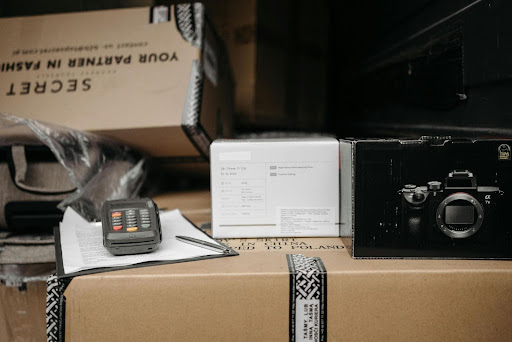
Shipping electronics safely requires careful planning and execution. Whether you’re an individual sending a gift or a business dispatching products, following best practices can ensure your electronic devices arrive undamaged. This comprehensive guide will walk you through the essential steps and materials needed to package electronics securely.
Why Proper Packaging Matters
Electronics are inherently fragile and vulnerable to damage from impacts, vibrations, and environmental factors like humidity and temperature changes. Improper packaging can lead to significant losses – studies indicate that up to 20% of poorly packaged electronics may be damaged during transit. By investing time in proper packaging, you can dramatically reduce the risk of damage and ensure your items arrive safely.
The consequences of inadequate packaging go beyond just the potential loss of the item. For businesses, it can lead to customer dissatisfaction, negative reviews, and increased costs due to returns and replacements. For individuals, it can mean disappointment and financial loss. Moreover, damaged electronics often end up in landfills, contributing to electronic waste, which is a growing environmental concern. According to the Global E-waste Monitor 2020, a record 53.6 million metric tonnes of electronic waste was generated worldwide in 2019, up 21% in just five years.
Essential Materials for Packaging Electronics
Before you begin, gather these key materials:
- Sturdy cardboard boxes
- Bubble wrap
- Anti-static foam or packing peanuts
- Packing tape
- Labels
For a more environmentally-friendly option, consider using protective sustainable materials. Such eco-friendly alternatives offers excellent protection while reducing plastic usage.
When selecting your packaging materials, it’s important to consider their protective qualities as well as their environmental impact. Traditional materials like bubble wrap and foam peanuts, while effective, contribute to plastic waste. Innovative solutions like Woola’s wool-based packaging offer a compelling alternative, providing robust protection while aligning with sustainability goals.
Step-by-Step Guide to Packaging Electronics
1. Prepare the Device
- Remove batteries from devices when possible to prevent leakage.
- Secure any moving parts or accessories.
- If available, use the original packaging as it’s designed specifically for the device.
When preparing your device, it’s crucial to think about all potential sources of damage. For instance, if you’re shipping a laptop, ensure the screen is protected from pressure by placing a piece of cardboard or foam between the screen and keyboard. For devices with detachable parts, consider removing and packaging them separately to prevent damage during transit.
2. Wrap the Device
- Wrap the item in multiple layers of bubble wrap, ensuring all surfaces, especially corners and edges, are covered.
- For smaller electronics, consider using padded envelopes which provide excellent protection and are naturally antistatic.
The wrapping stage is critical for protecting your device from shocks and vibrations during transit. When using bubble wrap, make sure to wrap tightly to prevent shifting. For delicate items like smartphones or tablets, consider using a combination of bubble wrap and foam sheets for extra cushioning. The antistatic properties of wool envelopes are particularly beneficial for sensitive electronic components, as they prevent the buildup of static electricity that could potentially damage the device.
3. Choose the Right Box
- Select a box that’s slightly larger than the wrapped item.
- For added protection, consider double-boxing – place the wrapped item in a smaller box, then place that box inside a larger one with cushioning material between them.
The choice of box is more important than many people realize. A box that’s too large will allow the item to shift during transit, while a box that’s too small won’t allow for adequate cushioning. When double-boxing, aim for at least 2 inches of cushioning material between the inner and outer boxes on all sides. This creates a buffer zone that absorbs impacts and vibrations.
4. Fill Empty Spaces
- Use anti-static foam, packing peanuts, or crumpled paper to fill any empty spaces in the box.
- Ensure the item doesn’t shift when the box is moved.
Filling empty spaces is crucial for preventing movement during transit. Even small movements can lead to damage over the course of a long journey. When using packing peanuts or crumpled paper, pack them tightly around the item. For heavier items, consider using foam inserts cut to size, as these provide more robust support.
5. Seal and Label the Package
- Use strong packing tape to seal all seams of the box.
- Clearly label the package as “FRAGILE” and “HANDLE WITH CARE”.
- Include “THIS SIDE UP” labels if orientation is important.
Proper sealing and labeling can significantly reduce the risk of mishandling. When sealing, use the H-taping method: seal along the center seam first, then seal the side flaps. This provides extra strength to the box. For labeling, use large, clear text and consider using bright colors to make the labels more noticeable.
Additional Tips for Shipping Electronics
- Consider the weather: Extreme temperatures can damage electronics. If shipping to or from areas with extreme weather, take extra precautions.
- Insure valuable items: For high-value electronics, consider purchasing shipping insurance.
- Choose the right shipping service: For delicate or expensive items, opt for services with careful handling and tracking.
When shipping during extreme weather conditions, consider using insulated packaging materials. For very cold conditions, include heat packs in the package to prevent battery damage. For hot conditions, consider expedited shipping to minimize exposure time.
Shipping insurance can provide peace of mind, especially for high-value items. Most carriers offer insurance options, but be sure to read the terms carefully as some electronics may be excluded or have specific packaging requirements for coverage to apply.
Sustainable Packaging Options
As we become more environmentally conscious, it’s worth considering sustainable packaging options. Innovative companies offer solutions made from renewable materials like bamboo, FSC certified paper, and even mushrooms or waste wool, providing excellent protection while reducing plastic usage. These sustainable alternatives can help reduce your carbon footprint without compromising on protection.
Sustainable packaging is not just about the materials used, but also about the entire lifecycle of the packaging. Consider options that are not only recyclable but also made from recycled materials. Some companies are experimenting with biodegradable packaging materials made from mushrooms or seaweed. While these may not be suitable for all types of electronics, they represent an exciting frontier in sustainable packaging.
Conclusion
Proper packaging is crucial when shipping electronics. By following these guidelines and using the right materials, you can significantly reduce the risk of damage during transit. Remember, investing time in proper packaging can save you from the headache and cost of replacing damaged items.
As technology continues to evolve, so too will packaging solutions. Stay informed about new developments in protective materials and sustainable options. By making informed choices about how we package and ship electronics, we can contribute to a more sustainable future while ensuring our valuable devices arrive safely at their destinations.