Why Flat Walls Need More Visual Interest
A beautiful interior is not created only through furniture, paint colors, or lighting. Walls play a major role in shaping how a room feels. When walls are left empty or decorated only with flat prints, a space can sometimes feel incomplete. This is why 3D wall art has become such a powerful choice for modern homes, offices, studios, and hospitality interiors.
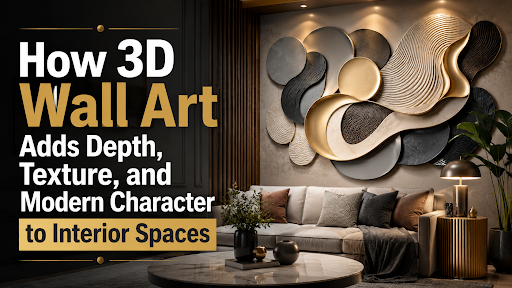
Unlike traditional flat artwork, 3D artwork brings physical depth to the wall. It may include raised textures, sculptural forms, layered materials, or dimensional patterns that interact with light and shadow. This gives the room a more dynamic feeling. The artwork does not just sit on the wall. It becomes part of the architecture of the space.
Modern interiors often rely on clean lines and simple layouts. While this can look elegant, it can also feel too plain if there is no texture or movement. Three-dimensional artwork solves that problem by adding depth without requiring too many decorative objects. It makes the wall feel active, thoughtful, and visually rich.
The Power of Dimension in Interior Design
Dimension changes how people experience a room. A flat surface may be beautiful, but a raised or sculptural surface invites the eye to move. It creates highlights, shadows, and small changes in appearance throughout the day.
This is one reason dimensional artwork feels more engaging than many ordinary prints. Morning sunlight may reveal soft surface details. Afternoon light may create stronger shadows. Evening lighting may make the piece feel dramatic and gallery-like. The artwork shifts with the room instead of staying visually static.
This movement is especially useful in spaces with neutral colors. A white or beige room can still feel interesting when the walls include texture and form. The design remains calm, but it does not feel empty.
Dimension also makes a room feel more expensive and carefully designed. Even a simple layout can look more refined when the wall decor has depth, structure, and material presence.
Why Texture Matters So Much
Texture is one of the most important elements in modern decorating. It adds warmth, contrast, and emotional quality. A room with only smooth surfaces can feel cold, even if the furniture is stylish. Textured artwork brings softness and character into the space.
Three-dimensional wall pieces may use plaster, canvas, wood, metal, resin, fabric, or mixed materials. Each material creates a different feeling. Plaster can feel organic and artistic. Wood can feel warm and natural. Metal can feel modern and bold. Fabric can feel soft and calming.
Texture also encourages closer attention. From a distance, the artwork may look simple. Up close, the viewer notices layers, ridges, curves, and surface details. This gives the piece lasting interest.
A strong textured artwork does not need loud colors to stand out. Its form and surface can create enough impact on their own.
Using 3D Art in Living Rooms
The living room is one of the best places to use dimensional wall art. It is often the main gathering area of the home, so the decor should feel welcoming and memorable. A 3D piece above the sofa can create a strong focal point and make the seating area feel complete.
For modern living rooms, neutral dimensional artwork can add elegance without overwhelming the design. White, cream, beige, gray, or taupe pieces work well with soft sofas, wooden tables, stone surfaces, and simple lighting.
For bolder interiors, darker or more sculptural artwork can create drama. A black, bronze, or deep-toned piece may look striking above a console table or fireplace.
Scale is important. A small 3D artwork may not have enough presence on a large wall. A medium or large piece usually works better when the goal is to create a central feature.
The surrounding decor should remain balanced. Since 3D art already has strong visual presence, nearby objects should not compete too much.
Creating a Calm Bedroom With Dimensional Art
Bedrooms need artwork that supports rest. This does not mean the room should be plain. It means the design should feel soft, peaceful, and personal. Dimensional wall art can work beautifully in bedrooms when the color and texture are chosen carefully.
A textured piece above the bed can create a calm focal point. Soft curves, gentle raised patterns, and neutral colors are especially effective. They add detail without making the room feel busy.
Light tones such as ivory, warm white, pale beige, and soft gray can make the bedroom feel open and restful. Organic textures can also bring warmth, especially when paired with linen bedding, wood furniture, and warm lighting.
In larger bedrooms, a wide sculptural piece can help anchor the bed. In smaller rooms, a simpler textured artwork may be better because it adds depth without making the wall feel crowded.
The goal is to create a room that feels designed, but still relaxing.
Making Offices Feel More Professional and Creative
Workspaces benefit from art that feels mature, focused, and memorable. A blank office can feel cold, while a cluttered office can feel distracting. Dimensional artwork offers a useful balance. It adds visual interest while keeping the design polished.
In a private office, a 3D wall piece behind the desk can create a strong professional background. This is especially useful for video calls, client meetings, or personal branding. It shows attention to detail without feeling overly decorative.
In meeting rooms, dimensional art can make the space feel more refined. It gives people something visually pleasant to notice while still allowing the room to remain focused on discussion.
In reception areas, sculptural wall art can create a strong first impression. Visitors often judge a business by how the space feels. A thoughtfully designed wall can communicate creativity, confidence, and care.
Some offices combine textured dimensional pieces with more expressive styles such as bold pop art wall decor in selected areas. This creates contrast between calm professional zones and energetic creative spaces.
Matching 3D Wall Art With Interior Styles
Three-dimensional artwork can work with many different design styles. The key is choosing a piece that matches the mood of the room.
In minimalist interiors, simple textured pieces in neutral colors are often best. They add depth while keeping the space clean.
In contemporary interiors, abstract sculptural pieces can create a modern focal point. These may include geometric forms, layered patterns, or bold surface movement.
In luxury interiors, dimensional artwork can feel elegant when paired with marble, velvet, brass, glass, or dramatic lighting. A large textured piece can make the room feel custom and refined.
In Japandi-inspired homes, organic shapes and natural tones work especially well. The artwork should feel calm, imperfect, and connected to nature.
In industrial interiors, dimensional pieces with metal, concrete-like texture, or darker tones can add strength and character.
In eclectic interiors, 3D art can help bring structure. Even when a room has many colors or collected objects, a strong wall piece can create a central anchor.
Choosing the Right Color Palette
Color affects how dimensional art feels. Since 3D artwork already has form and texture, the color does not always need to be intense. In fact, many of the most effective pieces use simple palettes.
White and ivory feel clean, soft, and gallery-like. They are ideal for modern homes, bedrooms, and peaceful living rooms.
Beige, sand, and taupe feel warm and natural. These tones pair beautifully with wood, linen, stone, and plants.
Gray feels balanced and contemporary. It works well in offices, apartments, and spaces with black or metal accents.
Black creates drama and confidence. It can be powerful in dining rooms, lounges, offices, or modern entryways.
Earth tones such as clay, brown, and muted green create a grounded feeling. They work well in organic and nature-inspired interiors.
A good color choice should support the room rather than fight with it. The artwork should feel connected to the overall palette.
Placement Tips for Stronger Impact
Placement can make or break the effect of dimensional wall art. A strong piece needs space around it so the texture and form can be appreciated.
Above a sofa, the artwork should usually be centered and wide enough to relate to the seating area. Above a bed, it should feel connected to the headboard and bedding. In a hallway, vertical pieces can guide movement and make the space feel more designed.
Lighting should also be planned carefully. Directional lighting can highlight raised surfaces and create beautiful shadows. Wall lights, picture lights, track lighting, or even a nearby lamp can improve the effect.
Avoid placing 3D art in areas where it may be bumped often, especially if the surface is delicate. Narrow walkways, busy corners, or children’s play zones may require careful selection and secure installation.
Height matters too. Most artwork should be placed around eye level, unless it is designed specifically for a high wall or architectural feature.
How to Style Around Dimensional Artwork
Because dimensional artwork has strong presence, the surrounding decor should be chosen with restraint. Too many competing objects can make the wall feel busy.
A simple console table below a 3D artwork can work beautifully. Add one lamp, a ceramic vase, or a few books. The arrangement should feel calm and intentional.
In a living room, repeat one material or color from the artwork in another part of the room. For example, a beige textured piece may connect with a woven rug or linen cushion. A black sculptural piece may connect with a black floor lamp or metal table legs.
In offices, keep nearby decor clean and organized. The artwork should make the room feel professional, not crowded.
Plants can also pair well with dimensional art. Their organic shape softens the structured surface and adds life to the space.
Common Mistakes to Avoid
One common mistake is choosing a piece that is too small. Dimensional artwork needs enough size to show its texture and form clearly. A tiny piece on a large wall may lose its effect.
Another mistake is ignoring lighting. Without proper light, the raised details may not be visible. The artwork may look flat, which defeats the purpose of choosing a three-dimensional piece.
Some people also use too many textured elements in one room. Texture is important, but balance matters. If every wall, rug, fabric, and object is highly textured, the room can feel overwhelming.
Poor installation is another issue. Some dimensional artworks are heavier than regular prints, so they need secure hanging hardware.
Finally, avoid choosing artwork only because it looks trendy. The piece should fit the room’s mood, size, and long-term design direction.
A More Expressive Way to Complete a Room
Three-dimensional wall art gives interiors something that flat decor often cannot provide: physical presence. It brings depth, shadow, texture, and movement into the room. It can make a plain wall feel architectural and turn a simple space into something more memorable.
Whether used in a living room, bedroom, office, hallway, dining area, or reception space, dimensional artwork can create a strong yet refined focal point. It works because it adds interest without relying on clutter. It gives the eye something to explore while keeping the room stylish and balanced.
Modern interiors need more than smooth surfaces and matching colors. They need layers, contrast, and details that feel human. A well-chosen 3D artwork can provide all of that. It helps a room feel complete, thoughtful, and full of quiet visual character.