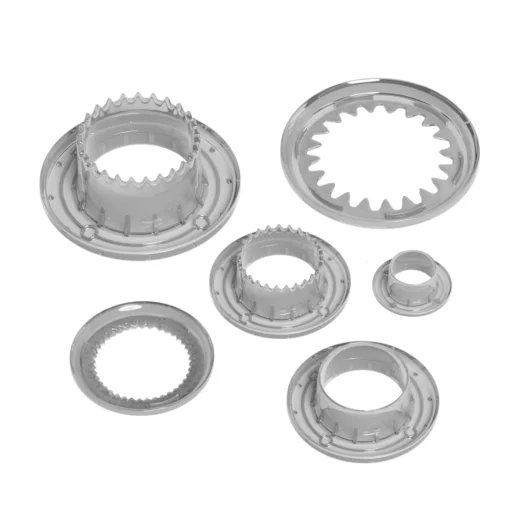
When it comes to displaying banners or signs, eyelets play a small but important role in ensuring the finished product looks professional and stays securely in place. These small metal or plastic rings reinforce the holes used for mounting, helping to prevent tearing and prolong the life of your signage. This article will explain how to select the best option for your banner or sign, covering materials, sizes and installation methods.
Understanding the Purpose of Eyelets
Eyelets are designed to strengthen the points where a banner or sign is fastened. Without them, holes in vinyl, mesh or fabric can stretch or rip when exposed to tension or wind. By evenly distributing pressure, eyelets help signs stay flat and secure whether they’re attached to fences, poles or walls. They also add a professional look by giving the banner clean, reinforced edges. For anyone investing in printed signage, selecting the right eyelet type and placement can be just as important as the design or printing quality.
Choosing the Right Material
When selecting eyelets, it’s important to understand that the weak point is rarely the eyelet itself. Whether you opt for metal or plastic eyelets, these components almost never break. Instead, it’s usually the banner material that tears around the eyelet due to tension, wind or improper installation. For this reason, clear plastic eyelets have become an increasingly popular choice.
Modern high-quality plastic eyelets, like UV-resistant options, offer excellent durability without rusting or corroding. They’re also transparent, which means they blend seamlessly with any banner design rather than standing out like metal ones, plus they’re recyclable and generally more cost-effective, making them a smart, eco-friendly option for most applications. For the majority of banners and signs, clear plastic eyelets deliver an ideal balance of strength, aesthetics and sustainability.
Getting the Size and Placement Right
Selecting the right size of eyelets ensures both strength and visual balance. Too small and they may restrict the rope or bungee cord used for hanging, but too large and the surrounding fabric may weaken. The most common eyelet sizes for banners range from 9mm to 12mm, though larger signs or mesh banners may require larger fittings.
Placement is just as important. Eyelets should be evenly spaced around the banner’s perimeter, with extra reinforcement at corners and along edges where wind pressure is greatest. A general rule is to place them approximately every 500mm to 1m apart, depending on banner size and material thickness. Proper spacing helps to prevent sagging, tearing and uneven tension, ensuring a professional finish that lasts.
Installation and Compatibility
Installing eyelets correctly is key to maximising their effectiveness. For DIY applications, manual or handheld presses are suitable for small-scale projects, while larger or commercial jobs often use pneumatic eyelet machines for precision and speed. It’s also important to match the eyelet to the banner’s substrate. For example, heavy vinyl or mesh banners require reinforced hems to support the added pressure around the eyelet holes. Ensuring compatibility between the material, grommet size and fixing method will keep your signage secure and extend its lifespan.
Final Thoughts
Selecting the right eyelets for banners or signs involves balancing strength, appearance and practicality. Factors like material choice, size, spacing and installation technique all influence how well the finished sign performs and how long it lasts. By paying attention to these details, you can ensure your banner not only looks great, but remains durable and effective for its entire lifespan.