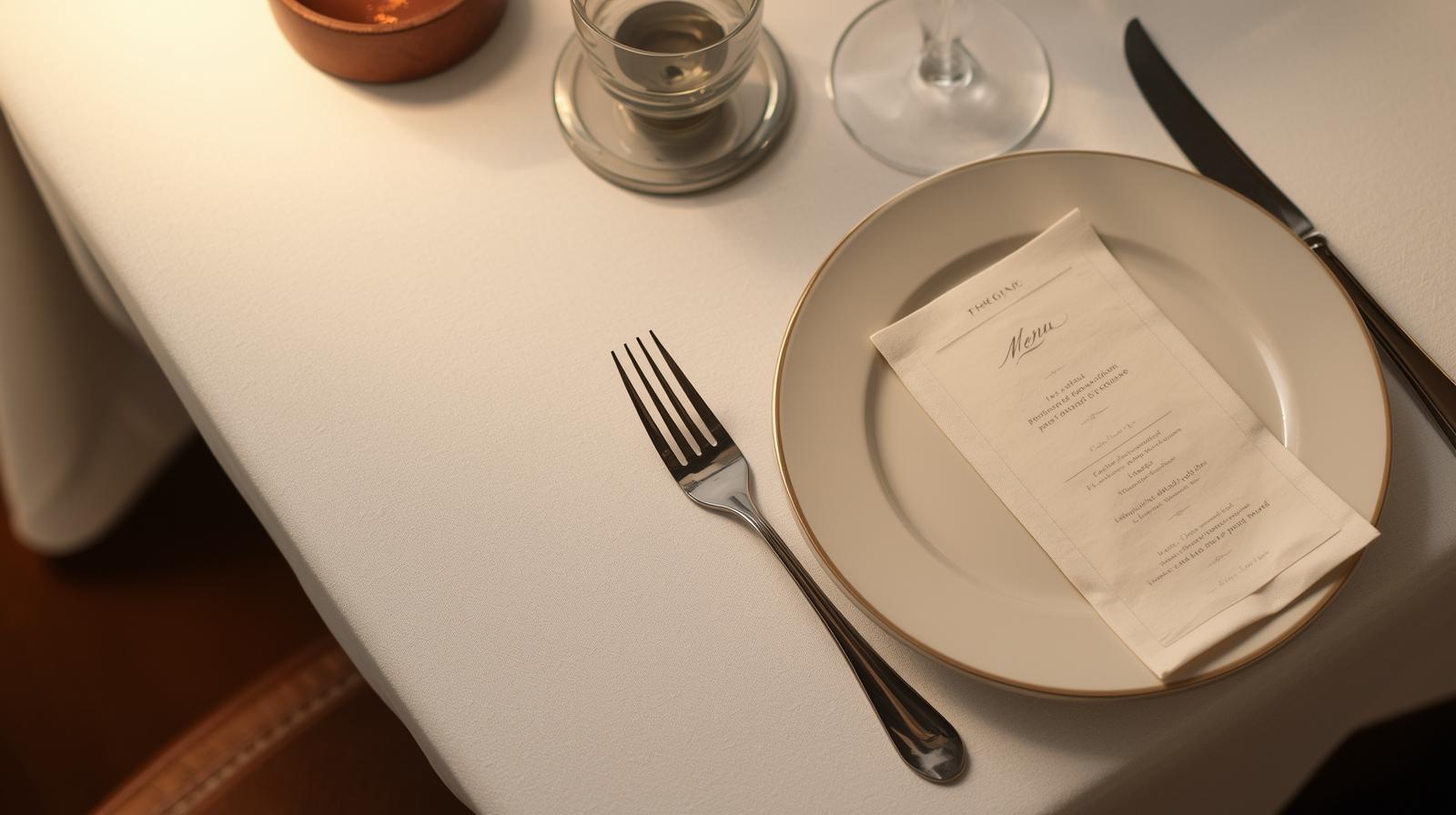
When you step into a restaurant and see the term “Table d’Hote Menu,” you might pause and wonder what it means. In simple words, a Table d’Hote Menu is a set‑price menu that offers a complete meal with several courses for one fixed price. Instead of choosing each dish individually, you pick from a curated selection of courses that are designed to go together.
This style of dining can be found in fine‑dining restaurants, boutique cafes, and even hotels around the world. It’s a classic concept that combines convenience, value, and culinary expertise, giving you a thoughtfully composed meal from start to finish.
In this guide, we’ll explore what a Table d’Hote Menu is, its history, key benefits, how it works, how it compares to other menus, and why it remains popular today — plus a link with more detailed benefits.
What Does “Table d’Hote Menu” Mean?
The phrase Table d’Hote is French, and it literally means “table of the host.” Historically, it referred to meals served at a host’s table where everyone ate the same courses at the same time. In today’s restaurant context, it means a set menu with multiple courses offered at a fixed price.
While diners may sometimes choose between a few options for each course, the overall structure of the meal is decided by the chef or the restaurant. It’s designed to provide a balanced and cohesive dining experience.
A Short History of Table d’Hote Dining
The Table d’Hote Menu originated in 18th‑century France, when inns and dining houses offered a set meal to travelers as part of their lodging package. Rather than ordering from an entire menu, guests were served a complete sequence of courses at a set price.
This made dining simpler and helped restaurants manage kitchen operations more efficiently. Over time, the concept spread to fine‑dining establishments worldwide and evolved into a way to showcase a chef’s skill and creativity.
Today, many restaurants use this style for special occasions, tasting menus, and prix‑fixe dining experiences.
How a Table d’Hote Menu Works
A Table d’Hote Menu typically includes multiple courses that are served together at a fixed price. Here’s how it usually works:
1. Multiple Courses
Most Table d’Hote meals include at least three courses:
-
Starter (Appetizer)
-
Main Course (Entrée)
-
Dessert
Some places may offer more, such as a palate cleanser, soup, cheese course, or even a small amuse‑bouche.
2. Limited Choices per Course
While the structure of the meal is fixed, you may have a small selection of dishes to choose from within each course. For example, the starter options might include a soup or a salad.
3. Fixed Price
You pay one set price for the entire meal. This price is often more affordable than ordering all courses separately.
4. Pre‑Planned Pairings
Because the courses are designed to complement each other, you get a balanced meal that flows well from start to finish.
To learn more about the advantages of this style of menu, you can read about the benefits of a Table d’Hote Menu here: https://mumblescafe.com.au/benefits-of-table-d-hote-menu/.
Key Advantages of a Table d’Hote Menu
The Table d’Hote Menu offers several practical and enjoyable benefits, especially for diners and restaurants alike:
✔ Affordable Price
Because the meal is bundled, the overall cost is often lower than ordering each dish a la carte.
✔ Balanced Dining Experience
Courses are designed to complement one another, providing a well‑rounded meal rather than a random collection of dishes.
✔ Less Decision Fatigue
With fewer choices to make, you can focus more on enjoying your food rather than spending time choosing what to order.
✔ Perfect for Special Occasions
Table d’Hote Menus are commonly used for events like Valentine’s Day dinners, holiday meals, tastings, and formal gatherings.
✔ Showcases Chef’s Creativity
Since the chef controls the menu, you often get dishes that highlight seasonal ingredients, culinary techniques, and signature styles.
Because it provides value, balance, and a curated experience, many diners prefer it to scrolling through a long menu.
Table d’Hote Menu vs À La Carte Menu
It’s useful to understand how the Table d’Hote Menu compares with other common menu styles, especially À La Carte:
| Feature | Table d’Hote Menu | À La Carte Menu |
|---|---|---|
| Price | One fixed price | Each item priced individually |
| Choice | Limited options per course | Full flexibility |
| Meal Structure | Courses are planned to go together | You choose everything |
| Dining Pace | Often faster and smoother | Depends on individual choices |
| Cost Predictability | High | Varies |
In short, the Table d’Hote Menu is ideal for diners who want a complete, predictable dining experience, while an à la carte menu offers more control and flexibility but can be more expensive and fragmented.
When to Choose a Table d’Hote Menu
Here are some great occasions for choosing a Table d’Hote Menu:
🎉 Special Celebrations
Birthdays, anniversaries or romantic dinners — it feels special and complete.
🍷 Tasting Experiences
Pair wine with each course or enjoy chef’s‑signature tasting menus.
🧑🍳 First‑Time Fine Dining
It’s a great way for newcomers to try chef‑curated dishes without navigating long menus.
⏱ Efficient Dining
Perfect when you want a full meal served smoothly without long waits between orders.
Popular Course Combinations
A classic Table d’Hote Menu might look like this:
-
Appetizer
-
Soup of the Day
-
Seasonal Salad
-
-
Main Course
-
Grilled Salmon with Lemon Butter
-
Slow‑Roasted Chicken with Herbs
-
Vegetarian Risotto
-
-
Dessert
-
Chocolate Mousse
-
Fruit Tart
-
Cheesecake
-
Each course is crafted to work well together, offering a satisfying and harmonious meal.
Tips for Dining with a Table d’Hote Menu
To get the most out of this style of menu, keep these tips in mind:
✅ Ask About Pairings
Many restaurants offer wine or beverage pairings.
✅ Mention Dietary Needs
Most kitchens can substitute courses for allergies or preferences.
✅ Enjoy the Pace
This style is designed to be savored — take your time between courses.
✅ Explore Seasonal Menus
Restaurants often change Table d’Hote offerings with seasonal ingredients.
Final Thoughts
A Table d’Hote Menu offers more than just a meal—it delivers a curated dining experience that’s affordable, balanced, and thoughtfully prepared. From classic French origins to modern restaurants around the world, this way of dining continues to be popular for good reason.
If you’re looking for value, a complete meal, and a chance to experience dishes chosen by the chef, the Table d’Hote Menu is an excellent choice. Whether you’re enjoying it on a special night out or trying it for the first time, it’s a great way to explore new flavors and enjoy restaurant dining as it was meant to be experienced.
To understand the full range of benefits this type of menu offers, check out this detailed guide: Benefits