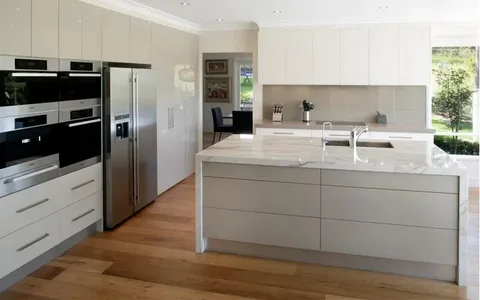
Kitchen cabinets are more than boxes with doors. They hold your dishes, hide the clutter, and shape the entire style of the room. Choosing the right ones is a big decision. For most Aussie households, it’s also one of the largest investments when renovating a kitchen.
If you’re planning to upgrade, there are plenty of things to think about before handing over your cash. It’s not just about looks. It’s about storage, quality, and making sure the choice works for your home long term.
This guide breaks down the key points to keep in mind before buying.
Think About How You Use Your Kitchen
Everyone’s kitchen works differently. Some people cook every day. Others mostly reheat take-away. The way you use your space should guide the type of cabinets you choose.
- Heavy cooks need plenty of storage, drawers that can handle weight, and easy-to-clean finishes.
- Busy families often want durable materials that resist scratches, plus lots of hidden storage.
- Minimalists may prefer sleek lines with fewer visible handles and flat fronts.
Be honest about how you live. That will tell you what kind of storage, finish, and design you’ll actually need.
Budget: Set It Early
Cabinets eat up a huge chunk of a renovation budget. Some experts say they take up as much as 40% of the total cost. That’s big money.
Setting a budget upfront helps you narrow choices. Decide how much you want to spend, then shop within that range. Keep in mind that cheaper doesn’t always mean better value. Sometimes spending a little more saves you in the long run because the materials last.
Materials and Finishes
This is where things get interesting. Materials affect not only how cabinets look, but also how they hold up over time.
- Solid timber feels classic and can be sanded or repainted.
- Laminate is affordable, versatile, and easy to clean.
- Thermofoil has a smooth look but may not love extreme heat.
- Engineered board balances strength with cost.
Finish matters too. Gloss reflects light and makes small spaces feel larger. Matte hides fingerprints and scratches better. Wood stains give warmth. Paint allows more colour choice.
When looking at options, ask about durability. You don’t want doors that peel or chip after only a year.
Layout and Functionality
Cabinets should fit your kitchen, not the other way around. Think about your space. Where do you cook? Where do you wash up? Where do you prep food?
Good cabinet design follows the “kitchen work triangle.” That means your stove, fridge, and sink are easy to move between. Storage should support this flow. Pots near the stove. Plates near the dishwasher. Pantry close to prep space.
Drawers often work better than deep cupboards because everything slides out. Corner cabinets benefit from rotating shelves or pull-out trays. Every detail counts.
Style and Look
Aussie kitchens come in all shapes and themes. Some love coastal vibes. Others lean modern or country. Cabinets play the biggest role in setting that tone.
Flat panels feel sleek and contemporary. Shaker style looks timeless. Glass inserts give an airy touch. Handles can make or break the vibe — bold black bars create contrast, while small knobs keep things subtle.
Here’s where the keyword comes in naturally: many homeowners browsing modern kitchen cabinets are drawn to the clean lines and functional designs they bring. They fit well in apartments and newer homes where space and style matter equally.
Don’t rush this choice. Collect samples. Tape them to your walls. See how they look in daylight and at night.
Storage Solutions
Storage makes or breaks a kitchen. You can never have too much. But you can definitely have poorly planned space.
Look into extras like:
- Pull-out spice racks
- Deep drawers for pots
- Dividers for trays and chopping boards
- Built-in rubbish bins
- Hidden charging stations
These little upgrades often cost less than you expect, yet they change how your kitchen functions every day.
Quality and Construction
Not all cabinets are made the same. Check how they’re built.
- Solid backs and sides last longer.
- Soft-close hinges prevent slamming and extend life.
- Metal runners handle heavy drawers better than plastic.
- Strong joints beat staples or glue alone.
This is where the role of kitchen cabinet manufacturers matters. A reliable maker provides warranties, better materials, and consistent quality. Cheap imports may look fine at first but can fail faster. Always ask about guarantees and certifications.
Custom vs Flat-Pack
Australians often face this choice. Flat-packs are cheaper and available at hardware stores. You put them together yourself. Custom cabinets cost more but fit your space exactly and offer higher quality finishes.
If you’re handy, flat-packs can save thousands. But if you want something that lasts decades and fits awkward corners perfectly, custom is worth it.
Installation
Even the best cabinets look bad if they’re installed poorly. A skilled installer makes sure doors align, drawers glide, and edges are sealed.
Check if your supplier offers installation or if you need to hire someone separately. Don’t skimp on this step. A professional job saves headaches later.
Future Proofing
Trends come and go. Today it might be matte black. Tomorrow it could be warm oak. Try not to chase fads too hard. Pick a design that feels right for you and won’t date quickly. Neutral bases with changeable accents (like handles or splashbacks) give you flexibility.
Wrapping It Up
Choosing new cabinets is exciting, but it’s also a serious investment. Think beyond style. Consider function, durability, and the way you use your kitchen every day.
From materials to layout, every choice matters. Keep in mind the options offered by trusted providers, and explore styles that fit today’s homes.
Plan properly now, and you’ll end up with cabinets that not only look good but also make your kitchen easier to live in for years to come.