Japan rarely leaves anyone indifferent. The country unfolds like a finely painted scroll, revealing layers of tradition, innovation, ritual and daily life that coexist without friction. Travellers often arrive with images of cherry blossoms and bullet trains, yet the reality proves far richer. A meaningful trip requires more than ticking landmarks off a list; it calls for understanding what shapes Japanese culture, landscapes and rhythms. Whether you are drawn to ancient shrines, futuristic skylines or regional cuisine, knowing what truly matters will transform your itinerary. This article explores the essential experiences that give depth to a journey across Japan, answering the questions most travellers quietly ask before boarding their flight. Expect clarity, concrete advice and a grounded perspective that helps you shape a trip aligned with your interests rather than following clichés.
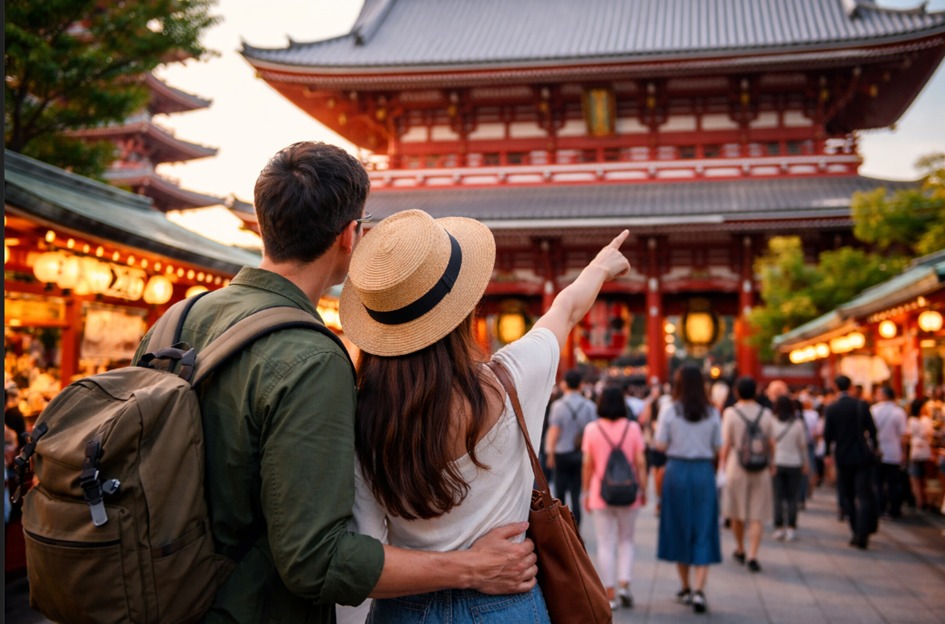
Explore Tokyo beyond the skyline
Tokyo embodies modern Japan with astonishing intensity. The capital is often described through its towering buildings and endless energy, yet its real fascination lies in its contrasts. Districts such as Shibuya and Shinjuku showcase electric nightlife, designer boutiques and multi-level entertainment complexes. The famous pedestrian crossing in Shibuya illustrates how organised chaos can function with remarkable precision.
However, a trip to Japan that only captures neon signs misses the soul of the city. Areas like Asakusa preserve the atmosphere of the Edo period, centred around Sensō-ji Temple. Wooden shopfronts selling traditional sweets and handmade crafts provide insight into centuries-old customs that still influence daily life. Meiji Shrine, surrounded by forest near Harajuku, offers a moment of quiet reflection in the heart of a metropolis exceeding thirty million residents.
Tokyo also excels in niche culture. Anime enthusiasts often explore Akihabara, while collectors search for rare items in specialist stores. Some visitors extend that passion online through platforms such as anime shop retailers before or after their journey, blending travel memories with curated collectibles. The city accommodates every interest, from Michelin-starred dining to humble ramen counters tucked under railway arches.
Public transport operates with precision that simplifies exploration. Purchasing a rechargeable IC card streamlines movement between neighbourhoods, allowing visitors to focus on discovery rather than logistics. Spending several days in Tokyo provides a solid introduction to the pace and complexity of contemporary Japan.
Experience Kyoto’s timeless heritage
Kyoto represents the spiritual and cultural backbone of the country. Once the imperial capital for more than a millennium, it retains an extraordinary concentration of temples, shrines and preserved districts. Walking through Fushimi Inari’s vermilion torii gates at dawn delivers a visual memory that remains etched long after returning home. The path winds through forested hills, offering panoramic views over the city.
Kinkaku-ji, the Golden Pavilion, reflects perfectly in its surrounding pond, demonstrating the refined aesthetic principles that define Japanese architecture. In Gion, narrow lanes lined with wooden machiya houses preserve the atmosphere of classical Japan. Spotting a geiko or maiko on her way to an evening engagement reminds visitors that tradition is not staged for tourists; it continues as a living profession.
Participating in a tea ceremony deepens understanding of Japanese values such as harmony, respect and mindfulness. The ritual unfolds with deliberate gestures, transforming a simple cup of matcha into an expression of philosophy. Kyoto moves at a slower tempo compared with Tokyo, encouraging travellers to absorb details rather than rush between sites.
Seasonal changes dramatically influence the city’s character. Spring cherry blossoms draw international crowds, while autumn foliage paints temple gardens in fiery tones. Planning visits early in the morning or later in the afternoon helps avoid peak congestion, preserving the contemplative atmosphere that makes Kyoto unforgettable.
Discover Mount Fuji and Japan’s natural landscapes
No journey across Japan feels complete without witnessing Mount Fuji. The symmetrical volcanic peak rises like a guardian over the surrounding plains, visible from various vantage points on clear days. Lake Kawaguchi offers particularly striking views, especially during sunrise when mist hovers above the water’s surface.
Hiking season generally runs from early July to early September. Climbing to the summit requires preparation, suitable footwear and awareness of altitude conditions. Those who prefer less strenuous activities can explore nearby hot spring towns, where onsen baths provide relaxation against mountain backdrops. Immersing oneself in mineral-rich waters under open skies introduces a distinctive element of Japanese wellness culture.
Beyond Fuji, Japan’s geography ranges from the alpine scenery of the Japanese Alps to subtropical beaches in Okinawa. National parks such as Nikko combine waterfalls, forests and UNESCO-listed shrines in a single region. The country’s rail network makes access straightforward, even for visitors unfamiliar with rural areas. Respect for nature forms a cornerstone of Japanese identity. Trails remain clean, signage is clear and visitors are expected to follow local etiquette. Observing these customs ensures a harmonious experience that aligns with community values.
Immerse yourself in Japanese cuisine
Japanese food extends far beyond sushi and tempura. Each region boasts distinctive flavours shaped by climate, history and local produce. In Osaka, street vendors serve takoyaki and okonomiyaki, offering casual bites that reflect the city’s reputation as the nation’s kitchen. Hiroshima’s layered version of okonomiyaki differs significantly from Osaka’s style, highlighting regional diversity.
Ramen varies dramatically between prefectures. Fukuoka specialises in rich tonkotsu broth, while Sapporo favours miso-based recipes suited to colder climates. Dining etiquette plays an important role; slurping noodles demonstrates appreciation rather than impoliteness. For a refined culinary experience, kaiseki meals present seasonal ingredients in meticulously arranged courses. The visual presentation mirrors the philosophy found in temple gardens, where balance and subtlety matter more than excess. Booking in advance is recommended, particularly during high travel seasons.
Food markets such as Nishiki Market in Kyoto or Tsukiji’s outer market in Tokyo allow travellers to sample small portions while engaging directly with vendors. Exploring cuisine offers one of the most accessible ways to connect with daily Japanese life.
Understand cultural etiquette and practical tips
Respect forms the foundation of social interaction in Japan. Bowing replaces handshakes in many situations, while removing shoes before entering homes and certain establishments remains customary. Observing these practices demonstrates awareness and consideration.
Cash remains widely used, although card payments are increasingly accepted in major cities. Carrying some yen simplifies transactions in rural areas. Portable Wi-Fi devices or local SIM cards help navigate maps and translation tools without difficulty. Public behaviour standards are noticeably different from many Western countries. Speaking quietly on trains, queueing patiently and disposing of rubbish responsibly contribute to collective harmony. Adapting to these norms enhances the travel experience and fosters positive interactions with residents.
Timing also matters. Spring and autumn generally provide the most comfortable weather, though each season carries its own charm. Careful planning around national holidays prevents unexpected accommodation shortages.
A journey that reshapes perspective
Japan rewards curiosity and preparation. From the kinetic energy of Tokyo to the meditative calm of Kyoto’s temples, every region contributes a distinct thread to a larger cultural tapestry. Exploring landscapes, tasting regional dishes and observing local etiquette transform a simple holiday into a layered experience. If you are considering a trip, reflect on what resonates most with you and build your itinerary around those interests. Japan does not merely offer attractions; it invites engagement. What would you choose to discover first?