How Water Damage Restoration Protects Property Value in Southern California
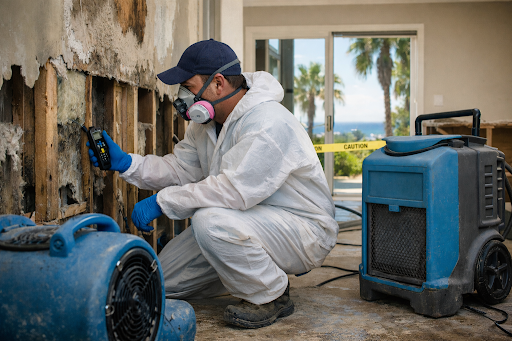
Water damage is one of the most common and financially disruptive issues facing property owners across Southern California. Coastal humidity, aging infrastructure, and seasonal weather patterns combine to create persistent risks that affect both residential and commercial buildings. When water intrusion is not addressed correctly, the damage extends beyond visible surfaces into structural systems and building materials. Over time, this hidden deterioration directly impacts property value, marketability, and long-term usability. Professional restoration work exists to stabilize properties, preserve asset value, and protect owners from avoidable depreciation.
The Relationship Between Water Damage and Property Value
Property value is closely tied to structural soundness, safety, and buyer confidence in the condition of a building. Water damage undermines these fundamentals by weakening materials, compromising indoor environments, and creating uncertainty during inspections. Even minor unresolved moisture issues can trigger valuation reductions once documented in property disclosures. Appraisers and buyers tend to discount properties with a history of unresolved water damage due to perceived future repair risks. Proper restoration addresses both physical damage and the documentation needed to demonstrate responsible property management.
Structural Integrity as a Core Value Driver
Structural integrity forms the backbone of property valuation, particularly in regions prone to seismic activity and environmental stress. Water intrusion weakens load-bearing elements such as timber framing, subfloors, and wall assemblies through rot and material breakdown. Over time, this degradation reduces a building’s ability to perform as designed under everyday and extreme conditions. Professional restoration processes identify moisture pathways and repair affected components before irreversible damage occurs. Maintaining structural integrity through timely intervention preserves the foundational value that underpins all other aspects of a property.
Preventing Long-Term Material Degradation
Building materials respond differently to prolonged moisture exposure, and not all damage is immediately visible. Drywall absorbs water quickly and loses strength, while insulation can trap moisture against framing for extended periods. Flooring systems may warp, separate, or develop hidden mold growth beneath finished surfaces. Water damage restoration in Southern California focuses on controlled drying and targeted removal of compromised materials to prevent progressive deterioration. By stopping damage at the material level, restoration limits cascading failures that would otherwise reduce property value over time.
Protecting Indoor Environments and Habitability
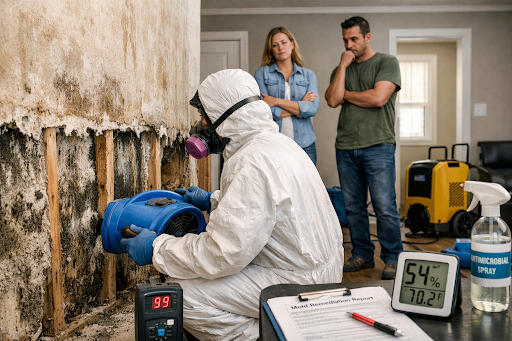
Indoor environmental quality plays an increasingly important role in property valuation and buyer perception. Persistent moisture creates conditions that encourage mold growth and odor retention, both of which negatively affect habitability. Properties with unresolved moisture issues often fail indoor air quality assessments during due diligence. Professional restoration restores indoor environments by addressing moisture sources and ensuring affected areas are properly sanitized and dried. A stable indoor environment supports long-term occupancy and protects the livability standards that influence valuation.
The Impact on Real Estate Transactions and Disclosure
Real estate transactions in Southern California are highly regulated, with strict disclosure requirements around property condition. Documented water damage without evidence of professional remediation can delay sales or reduce negotiated prices. Buyers often request credits or repairs when inspection reports reveal unresolved moisture issues. Restoration completed by experienced providers such as Superior Restoration provides verifiable records that demonstrate corrective action. These records help maintain transaction momentum and support property value during resale negotiations.
Resale Readiness and Market Confidence
Resale readiness depends on a property’s ability to pass inspections without triggering concern or uncertainty. Water damage that has been professionally addressed is less likely to raise red flags during buyer evaluations. Restoration restores surfaces, systems, and finishes to functional condition while addressing underlying causes. This proactive approach reassures buyers that the property has been responsibly maintained. Market confidence translates directly into stronger offers and reduced time on the market.
Long-Term Maintenance and Asset Preservation
Water damage restoration is not solely a reactive service but a component of long-term asset management. Addressing water incidents promptly reduces the likelihood of repeat damage and cumulative wear. Restoration professionals often identify vulnerabilities such as drainage issues or failing seals that contribute to future risk. Correcting these weaknesses supports ongoing maintenance strategies that protect property value. Consistent care preserves assets in competitive Southern California property markets.
Insurance Considerations and Financial Stability
Insurance claims related to water damage can influence both property finances and perceived risk. Improper or incomplete restoration may lead to denied claims or future coverage limitations. Professional water damage restoration in Southern California aligns remediation work with insurer expectations and industry standards. Accurate documentation and compliant repairs support smoother claims resolution. Financial stability through proper restoration reinforces property value by reducing uncertainty for owners and buyers alike.
Regional Factors Affecting Southern California Properties
Southern California presents unique challenges that amplify the impact of water damage on property value. Coastal air introduces moisture that accelerates corrosion and material fatigue. Inland areas experience temperature fluctuations that stress plumbing systems and building envelopes. Older properties often combine outdated materials with modern usage demands. Restoration strategies tailored to regional conditions protect properties against these compounded risks.
Restoration as a Preventative Investment
Viewed strategically, water damage restoration functions as a preventative investment rather than a sunk cost. Early intervention limits repair scope, reduces downtime, and preserves existing materials where possible. Preventative restoration supports consistent property performance across its lifespan. Owners who invest in proper remediation often avoid larger capital expenditures later. This approach aligns financial planning with long-term value preservation.
Documentation and Due Diligence Support
Well-documented restoration work strengthens due diligence outcomes for future transactions. Detailed reports, moisture readings, and repair records provide transparency to buyers and appraisers. This documentation demonstrates that issues were resolved using established processes rather than cosmetic fixes. Transparency reduces negotiation friction and protects asking prices. Clear records transform restoration from a liability into an asset.
Supporting Commercial Property Value
Commercial properties face additional pressures related to operational continuity and tenant expectations. Water damage can destabilize operations and reduce lease attractiveness. Restoration that prioritises rapid stabilization and compliant repairs to revenue loss. Tenants value properties that demonstrate proactive maintenance and risk management. Sustained occupancy supports stable income streams and long-term valuation.
Maintaining Competitive Position in the Market
Southern California real estate markets are competitive, with buyers comparing multiple properties simultaneously. Visible signs of past water damage can place a property at a disadvantage. Professionally restored properties present as well-maintained and lower-risk options. Competitive positioning influences final sale prices and buyer urgency. Restoration plays a quiet but decisive role in maintaining market appeal.
Aligning Restoration With Building Standards
Modern restoration practices align closely with building codes and performance standards. Repairs completed to recognized standards ensure compatibility with future renovations and upgrades. Noncompliant fixes often require rework during later projects, increasing costs. Proper restoration integrates seamlessly into a property’s ongoing improvement cycle. This alignment protects both immediate and future value.
The Role of Expertise and Experience
Effective water damage restoration relies on practical expertise rather than surface repairs. Experienced professionals understand moisture behavior, material responses, and regional construction methods. Their decisions are informed by real-world outcomes rather than assumptions. This depth of understanding reduces errors that compromise property value. Expertise ensures that restoration contributes positively to a property’s long-term profile.
Preserving Value Through Informed Action
Property owners who act decisively after water damage protect both physical assets and financial outcomes. Delays increase uncertainty and expand repair scope. Informed restoration decisions stabilize properties and maintain confidence among stakeholders. Over time, this approach preserves equity and reduces risk exposure. Water damage restoration remains a critical tool for protecting property value in Southern California.