
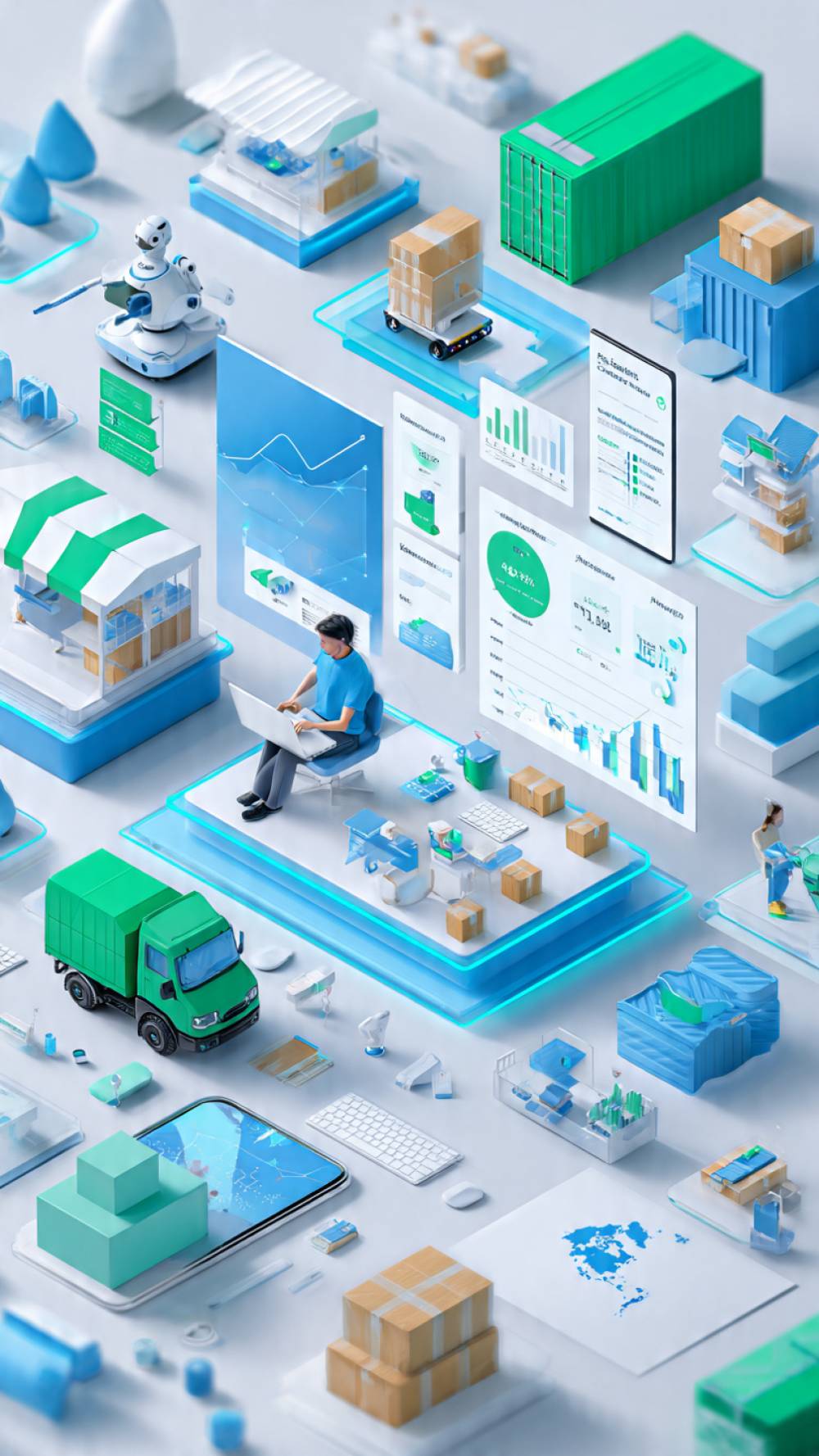
The rapid growth of e-commerce has fundamentally changed the retail landscape. Businesses no longer rely solely on physical stores to reach customers. Instead, online platforms have become the primary sales channel for millions of brands worldwide. As consumer expectations continue to evolve, technology has become the foundation that supports every aspect of e-commerce operations.
From managing online stores and processing payments to personalizing customer experiences and optimizing supply chains, technology plays a crucial role in helping e-commerce businesses succeed. In today's highly competitive market, companies that fail to embrace technological advancements often struggle to keep pace with changing customer demands and industry trends.
Technology enables e-commerce brands to operate efficiently, scale rapidly, improve customer satisfaction, and maintain a competitive advantage. This article explores the key reasons why e-commerce brands depend on technology and how it drives growth, innovation, and long-term success.
Technology as the Backbone of E-Commerce
E-commerce businesses are built on digital infrastructure. Unlike traditional retail stores that rely on physical locations, online brands depend on websites, mobile applications, databases, and cloud-based systems to conduct business.
Technology enables brands to showcase products, process transactions, manage customer information, track inventory, and coordinate logistics. Without reliable technology, even the most popular e-commerce brands would struggle to function effectively.
Modern e-commerce platforms provide businesses with tools to create attractive online stores, manage product catalogs, and deliver seamless shopping experiences. These platforms simplify operations and allow businesses to focus on growth rather than technical complexities.
Improving Customer Experience
One of the biggest reasons e-commerce brands depend on technology is to provide exceptional customer experiences. Online shoppers expect convenience, speed, and personalization throughout their buying journey.
Personalized Shopping Experiences
Customers are more likely to engage with brands that understand their preferences. Technology allows businesses to collect valuable customer data and use it to create personalized experiences.
Artificial intelligence and machine learning algorithms analyze customer behavior, including browsing history, previous purchases, and product preferences. Based on this information, businesses can:
- Recommend relevant products
- Offer personalized discounts
- Display customized content
- Create targeted marketing campaigns
Personalization helps customers find products faster while increasing engagement and sales.
Faster Website Performance
Website speed has a direct impact on customer satisfaction. Studies consistently show that slow-loading websites result in higher bounce rates and lower conversion rates.
Technology helps businesses optimize website performance through:
- Content delivery networks (CDNs)
- Advanced hosting solutions
- Image optimization
- Caching technologies
Fast-loading websites improve user experience and encourage customers to complete purchases.
Mobile Commerce Optimization
The majority of online shopping now takes place on mobile devices. Technology enables brands to optimize their websites and applications for smartphones and tablets.
Responsive design ensures websites adapt to different screen sizes, while mobile applications offer enhanced functionality and convenience. Businesses that prioritize mobile optimization often see increased customer engagement and higher sales.
Data-Driven Decision Making
Data has become one of the most valuable resources in e-commerce. Technology provides brands with the ability to collect, analyze, and utilize data to make informed business decisions.
Understanding Customer Behavior
Analytics tools provide detailed insights into customer actions and preferences. Businesses can track:
- Website traffic
- Purchase history
- Product popularity
- Customer demographics
- Shopping patterns
These insights help brands understand what customers want and how they interact with their online stores.
Measuring Performance
Technology enables businesses to monitor key performance indicators in real time, including:
- Conversion rates
- Revenue growth
- Customer acquisition costs
- Average order value
- Customer retention rates
Access to accurate data allows businesses to identify strengths, address weaknesses, and improve overall performance.
Better Strategic Planning
Data analytics helps e-commerce brands forecast trends and plan for future growth. Businesses can identify emerging opportunities, adjust pricing strategies, and optimize inventory based on customer demand.
Automation Enhances Efficiency
Automation is one of the most powerful technological advancements in e-commerce. It reduces manual work, improves accuracy, and increases operational efficiency.
Automated Order Processing
Technology allows orders to be processed instantly after a purchase is completed. Automated systems can:
- Generate invoices
- Confirm orders
- Update inventory
- Initiate shipping procedures
This reduces processing time and minimizes human error.
Inventory Management Automation
Managing inventory manually becomes increasingly difficult as businesses grow. Technology-driven inventory systems provide real-time visibility into stock levels.
These systems help businesses:
- Prevent stock shortages
- Avoid overstocking
- Improve forecasting accuracy
- Reduce operational costs
Accurate inventory management ensures products remain available while maximizing profitability.
Customer Service Automation
Customer support is critical for e-commerce success. Technology enables businesses to provide faster and more efficient support through chatbots and virtual assistants.
Automated customer service tools can:
- Answer frequently asked questions
- Provide order updates
- Process returns
- Resolve common issues
This improves customer satisfaction while reducing support costs.
Artificial Intelligence Drives Growth
Artificial intelligence (AI) has become an essential component of modern e-commerce strategies.
Smart Product Recommendations
AI-powered recommendation engines analyze customer behavior and suggest products that align with individual interests.
Benefits include:
- Higher conversion rates
- Increased average order value
- Improved customer engagement
- Greater customer loyalty
Personalized recommendations make shopping easier while increasing revenue opportunities.
Predictive Analytics
AI can predict future customer behavior by analyzing historical data and market trends.
Businesses use predictive analytics to:
- Forecast sales
- Plan inventory levels
- Optimize marketing campaigns
- Anticipate customer demand
These insights help brands make proactive decisions and reduce uncertainty.
Dynamic Pricing Strategies
AI enables businesses to adjust pricing in real time based on factors such as demand, competition, and customer behavior.
Dynamic pricing helps brands maximize profits while remaining competitive in the marketplace.
Technology Strengthens Digital Marketing
Digital marketing is a critical driver of e-commerce growth. Technology provides tools that help businesses attract, engage, and convert customers.
Search Engine Optimization
SEO tools help businesses improve their visibility in search engine results.
Technology supports:
- Keyword research
- Content optimization
- Competitor analysis
- Technical SEO improvements
Effective SEO drives organic traffic and reduces reliance on paid advertising.
Email Marketing Automation
Email marketing remains one of the most effective channels for customer engagement.
Technology enables businesses to automate:
- Welcome emails
- Abandoned cart reminders
- Promotional campaigns
- Product recommendations
Automated email campaigns deliver relevant messages at the right time, increasing conversions.
Social Media Marketing
Technology allows brands to integrate their online stores with social media platforms.
Businesses can:
- Promote products
- Engage customers
- Track campaign performance
- Sell directly through social channels
Social commerce continues to grow as more consumers discover products through social media.
Cloud Computing Enables Scalability
Cloud technology has transformed how e-commerce businesses manage infrastructure and resources.
Handling Traffic Spikes
Online stores often experience sudden increases in traffic during promotions, seasonal events, and holidays.
Cloud-based systems automatically scale resources to accommodate higher demand, ensuring websites remain fast and reliable.
Reducing Costs
Cloud computing eliminates the need for expensive hardware and physical servers.
Benefits include:
- Lower infrastructure costs
- Flexible pricing models
- Improved reliability
- Easier maintenance
This makes cloud solutions ideal for both startups and large enterprises.
Supporting Global Expansion
Cloud technology allows businesses to serve customers across multiple regions while maintaining consistent performance and availability.
Strengthening Security and Trust
Security is a top priority for e-commerce brands. Customers need confidence that their personal and financial information is protected.
Secure Payment Processing
Technology provides secure payment gateways that use encryption and fraud detection systems.
These tools protect transactions and reduce the risk of financial fraud.
Fraud Prevention
Advanced security technologies can identify suspicious activity and prevent fraudulent transactions before they occur.
This protects both customers and businesses from financial losses.
Data Protection and Privacy
Businesses must comply with data protection regulations and safeguard customer information.
Technology supports secure data storage, access controls, and encryption to ensure customer privacy.
Strong security measures help build trust and encourage repeat purchases.
Supporting Omnichannel Commerce
Modern consumers interact with brands across multiple channels, including websites, mobile apps, social media platforms, and physical stores.
Technology enables businesses to create seamless omnichannel experiences.
Consistent Brand Experiences
Customers expect consistent information regardless of where they interact with a brand.
Technology synchronizes:
- Product catalogs
- Pricing information
- Inventory levels
- Customer profiles
This creates a unified shopping experience across all channels.
Centralized Customer Data
Integrated systems provide a complete view of customer interactions, allowing businesses to deliver more personalized experiences and better support.
Optimizing Supply Chain Management
Efficient supply chains are essential for e-commerce success. Technology helps businesses improve visibility, coordination, and efficiency throughout the supply chain.
Real-Time Tracking
Technology allows businesses and customers to track shipments in real time.
Benefits include:
- Improved transparency
- Better communication
- Faster issue resolution
- Increased customer confidence
Demand Forecasting
Advanced analytics tools help businesses predict future demand accurately.
This enables better inventory planning and reduces the risk of stock shortages or excess inventory.
Supplier Collaboration
Technology improves communication between suppliers, warehouses, and logistics providers, resulting in smoother operations and faster deliveries.
Maintaining a Competitive Advantage
The e-commerce industry is highly competitive, and technology provides businesses with the tools needed to stay ahead.
Brands that invest in technology can:
- Launch products faster
- Respond to market trends quickly
- Improve customer experiences
- Increase operational efficiency
- Expand into new markets
Technology enables businesses to adapt rapidly and maintain relevance in changing market conditions.
Emerging Technologies Shaping the Future
Technology continues to evolve, creating new opportunities for e-commerce brands.
Augmented Reality
Augmented reality allows customers to visualize products before purchasing them.
Examples include:
- Virtual clothing try-ons
- Furniture placement previews
- Cosmetic testing applications
This technology improves purchasing confidence and reduces return rates.
Voice Commerce
Voice assistants are becoming increasingly popular for online shopping.
Businesses are optimizing their platforms to support voice searches and voice-enabled purchases.
Blockchain Technology
Blockchain offers enhanced transparency, security, and traceability for transactions and supply chains.
As adoption increases, blockchain may play a significant role in the future of e-commerce.
Challenges of Technology Dependence
While technology provides numerous benefits, it also presents challenges.
E-commerce businesses must address:
- Cybersecurity risks
- Software integration issues
- Ongoing maintenance costs
- Rapid technological changes
- Employee training requirements
Successful brands continuously invest in upgrading systems and staying current with industry developments.
Conclusion
Technology is the driving force behind modern e-commerce success. It enables businesses to deliver exceptional customer experiences, automate operations, analyze data, enhance security, and scale efficiently. From artificial intelligence and cloud computing to automation and advanced analytics, technology supports every aspect of online retail.
As competition continues to increase and customer expectations evolve, technology will become even more important. E-commerce brands that embrace innovation and invest in digital transformation will be better positioned to achieve sustainable growth and long-term success.
In today's digital marketplace, technology is no longer just a tool—it is the foundation upon which successful e-commerce businesses are built.





