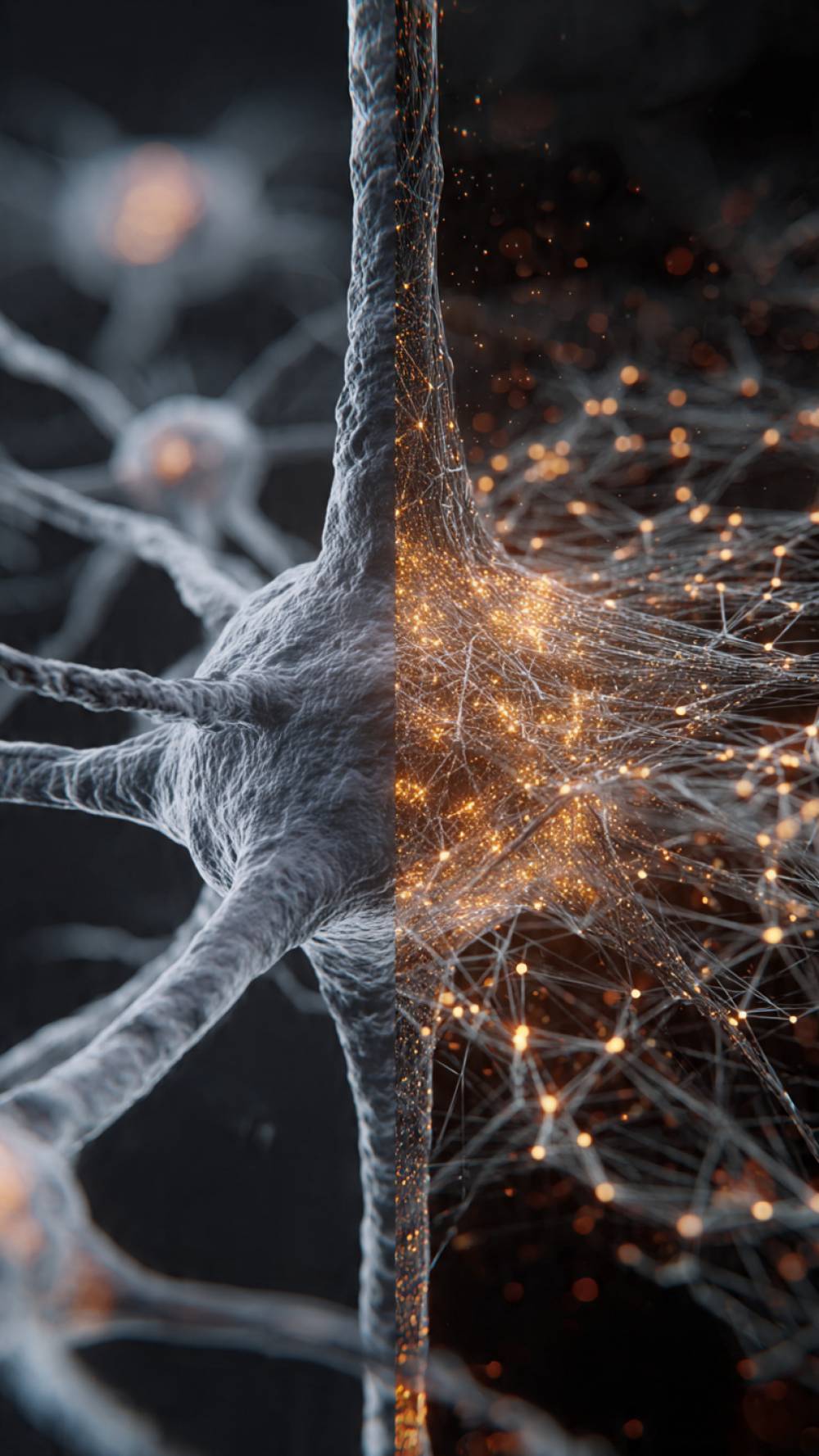
Technology has always been one of the most powerful drivers of human progress. From the invention of electricity and the internet to smartphones and cloud computing, transformative technologies have continuously reshaped economies, industries, and societies. In the modern digital era, two technologies stand out as some of the most revolutionary innovations of the 21st century: Blockchain and Artificial Intelligence (AI).
Both technologies are rapidly changing how businesses operate, how governments manage systems, and how people interact with digital services. Artificial Intelligence is enabling machines to simulate human intelligence, automate complex tasks, and make intelligent decisions, while Blockchain is introducing decentralized systems that improve transparency, security, and trust in digital transactions.
Because of their enormous potential, many experts, investors, and technology leaders debate which technology will ultimately transform the world more. Will AI become the dominant force shaping the future through automation and intelligent systems? Or will Blockchain fundamentally redefine trust, finance, ownership, and decentralized digital infrastructure?
The answer is not simple because both technologies solve different problems and impact society in unique ways. However, by examining their applications, economic influence, industry disruption, scalability, risks, and long-term potential, we can better understand which technology may have the greater transformative effect on the world.
What Is Artificial Intelligence?
Artificial Intelligence refers to the simulation of human intelligence by machines and computer systems. AI systems are designed to perform tasks that typically require human cognitive abilities such as learning, reasoning, decision-making, language understanding, and problem-solving.
AI technologies include:
- Machine learning
- Deep learning
- Natural language processing
- Computer vision
- Robotics
- Neural networks
- Predictive analytics
AI enables systems to learn from data and improve performance over time without direct human programming for every task.
The Core Goal of AI
The primary goal of AI is to create intelligent systems capable of automating tasks, improving efficiency, and solving complex problems.
AI seeks to:
- Reduce human workload
- Improve decision-making
- Increase productivity
- Enhance personalization
- Automate repetitive tasks
- Predict future outcomes
As AI capabilities expand, machines are becoming increasingly capable of performing sophisticated tasks previously handled only by humans.
Understanding Blockchain Technology
What Is Blockchain?
Blockchain is a decentralized digital ledger technology that records transactions securely and transparently across multiple computers.
Unlike traditional centralized systems controlled by banks, governments, or corporations, blockchain distributes information across a network of participants.
Each transaction is stored in blocks connected chronologically, creating an immutable chain of records.
The Core Goal of Blockchain
Blockchain aims to create trust without relying on centralized authorities.
Its key objectives include:
- Decentralization
- Transparency
- Security
- Data integrity
- Digital ownership
- Peer-to-peer transactions
Blockchain reduces dependence on intermediaries by enabling secure direct interactions between users.
The Rise of Artificial Intelligence
AI’s Rapid Global Expansion
Artificial Intelligence has experienced explosive growth over the past decade due to advancements in:
- Computing power
- Cloud infrastructure
- Big data
- Machine learning algorithms
- Internet connectivity
AI systems are now integrated into many everyday technologies including:
- Virtual assistants
- Search engines
- Recommendation systems
- Smart devices
- Autonomous vehicles
- Healthcare diagnostics
AI is becoming deeply embedded in global digital infrastructure.
Industries Transformed by AI
AI is reshaping numerous industries including:
- Healthcare
- Finance
- Education
- Retail
- Manufacturing
- Transportation
- Entertainment
- Cybersecurity
Businesses use AI to improve efficiency, reduce costs, automate operations, and deliver personalized experiences.
The broad applicability of AI contributes significantly to its transformative potential.
The Rise of Blockchain
Blockchain’s Origins
Blockchain technology gained global attention through cryptocurrencies like Bitcoin. However, its applications extend far beyond digital currencies.
Blockchain introduced a new way to store and verify data without centralized control.
This innovation created opportunities for:
- Decentralized finance (DeFi)
- Smart contracts
- Supply chain tracking
- Digital identity systems
- Tokenized assets
- Secure voting systems
Industries Adopting Blockchain
Blockchain is increasingly used in:
- Banking
- Logistics
- Real estate
- Healthcare
- Government systems
- Gaming
- Digital art
- Intellectual property protection
Organizations explore blockchain to improve transparency, security, and operational efficiency.
Comparing Their Core Impact
AI Focuses on Intelligence and Automation
Artificial Intelligence primarily transforms the world through automation and intelligent decision-making.
AI improves:
- Productivity
- Speed
- Data analysis
- Predictive capabilities
- Personalization
It enables machines to handle tasks traditionally requiring human intelligence.
Blockchain Focuses on Trust and Decentralization
Blockchain transforms systems by changing how trust is established digitally.
Blockchain improves:
- Transparency
- Security
- Ownership verification
- Decentralized transactions
- Data immutability
It reduces reliance on centralized institutions and intermediaries.
Economic Impact
AI’s Economic Potential
Artificial Intelligence may generate enormous economic value globally.
AI contributes through:
- Automation
- Increased efficiency
- Reduced labor costs
- Data-driven optimization
- Intelligent business systems
Many industries rely heavily on AI to remain competitive.
AI could potentially add trillions of dollars to the global economy over the coming decades.
Blockchain’s Economic Potential
Blockchain also offers significant economic opportunities through:
- Decentralized finance
- Smart contracts
- Reduced transaction costs
- Tokenized economies
- Digital asset ownership
Blockchain may reshape global financial systems and reduce dependence on traditional banking infrastructure.
However, its adoption remains slower compared to AI.
Real-World Applications
AI Applications
Artificial Intelligence powers many modern innovations such as:
Healthcare
AI assists with:
- Disease diagnosis
- Drug discovery
- Medical imaging analysis
Finance
AI supports:
- Fraud detection
- Algorithmic trading
- Risk analysis
Retail
AI improves:
- Personalized recommendations
- Inventory forecasting
- Customer service automation
Transportation
AI drives:
- Autonomous vehicles
- Traffic optimization
- Predictive maintenance
AI applications are already deeply integrated into everyday life.
Blockchain Applications
Blockchain supports innovations such as:
Cryptocurrency
Blockchain powers decentralized digital currencies.
Supply Chain Management
Blockchain improves:
- Product tracking
- Transparency
- Counterfeit prevention
Smart Contracts
Blockchain automates agreements without intermediaries.
Digital Ownership
Blockchain enables:
- NFTs
- Tokenized assets
- Decentralized identity systems
While impactful, blockchain applications are still developing compared to AI’s broader integration.
Accessibility and Adoption
AI Adoption
AI adoption is expanding rapidly because businesses see immediate operational benefits.
Companies increasingly use AI for:
- Automation
- Customer insights
- Marketing optimization
- Predictive analytics
AI tools are becoming more accessible to businesses of all sizes.
Blockchain Adoption
Blockchain adoption faces more barriers including:
- Regulatory uncertainty
- Scalability limitations
- Public skepticism
- Technical complexity
- Energy consumption concerns
Although blockchain interest remains strong, mainstream adoption progresses more slowly.
Scalability and Infrastructure
AI Scalability
AI systems scale efficiently using cloud computing and modern infrastructure.
AI models can process massive amounts of data globally.
Large technology companies heavily invest in AI infrastructure, accelerating innovation.
Blockchain Scalability Challenges
Blockchain networks often struggle with scalability issues such as:
- Slow transaction speeds
- High energy usage
- Network congestion
- Expensive transaction fees
Scalability improvements continue, but blockchain infrastructure still faces limitations compared to AI systems.
AI and Jobs
AI’s Impact on Employment
AI automation may significantly reshape global labor markets.
AI can automate tasks involving:
- Data processing
- Customer support
- Manufacturing
- Administrative work
This may increase productivity but also raise concerns about job displacement.
However, AI also creates new career opportunities in:
- Machine learning
- Data science
- AI ethics
- Robotics engineering
Blockchain and Jobs
Blockchain Career Growth
Blockchain creates opportunities in:
- Smart contract development
- Cryptocurrency systems
- Web3 development
- Decentralized finance
However, blockchain’s job market remains smaller than AI’s broader employment ecosystem.
Security and Privacy
AI Security Concerns
AI raises concerns including:
- Deepfake technology
- Surveillance systems
- Algorithm bias
- Privacy violations
- Autonomous weapons
Improper AI use could create serious ethical and societal risks.
Blockchain Security Advantages
Blockchain offers strong security through decentralization and encryption.
Benefits include:
- Tamper-resistant records
- Reduced fraud risks
- Transparent verification systems
However, blockchain systems are not completely immune to hacking or vulnerabilities.
Ethical Challenges
AI Ethics
AI ethics remains a major global concern.
Issues include:
- Bias in algorithms
- AI misinformation
- Privacy invasion
- Decision-making transparency
- Job displacement
Governments increasingly debate AI regulation and responsible use.
Blockchain Ethics
Blockchain also raises ethical questions involving:
- Cryptocurrency fraud
- Financial regulation
- Illegal transactions
- Environmental concerns
The decentralized nature of blockchain complicates regulation and oversight.
Which Technology Has Broader Global Reach?
AI’s Universal Integration
AI has already become deeply integrated into nearly every industry and consumer technology.
Most people interact with AI daily through:
- Smartphones
- Search engines
- Social media algorithms
- Streaming platforms
- Virtual assistants
AI’s broad accessibility contributes to its massive influence.
Blockchain’s Specialized Reach
Blockchain currently serves more specialized applications.
While highly innovative, blockchain adoption remains concentrated in:
- Finance
- Cryptocurrency
- Digital ownership systems
Its mainstream use is growing but still less widespread than AI.
The Future of Innovation
AI’s Future Potential
Future AI advancements may include:
- Human-level language systems
- Advanced robotics
- Fully autonomous vehicles
- Personalized healthcare AI
- Intelligent scientific discovery
AI could fundamentally reshape how humans work, communicate, and innovate.
Blockchain’s Future Potential
Blockchain may revolutionize:
- Financial systems
- Digital identity
- Decentralized governance
- Global transactions
- Ownership verification
Web3 ecosystems may eventually reduce dependence on centralized internet platforms.
Can AI and Blockchain Work Together?
The Combination of AI and Blockchain
Interestingly, AI and blockchain may complement each other rather than compete directly.
Potential integrations include:
- AI-secured blockchain systems
- Decentralized AI networks
- Blockchain verification for AI decisions
- Secure AI data sharing
Combining both technologies could create powerful future systems.
Which Technology Will Transform the World More?
The Case for Artificial Intelligence
Artificial Intelligence may have greater transformative power because:
- It affects nearly every industry
- It automates human tasks
- It improves productivity globally
- It powers modern digital systems
- Adoption is already widespread
AI’s ability to continuously learn and improve gives it extraordinary long-term potential.
The Case for Blockchain
Blockchain may fundamentally transform trust, finance, and ownership systems.
Supporters argue blockchain could:
- Decentralize power
- Reduce institutional control
- Increase transparency
- Create fairer digital economies
Its impact may become more significant as decentralized technologies evolve.
Final Verdict
Why AI May Have the Greater Overall Impact
Although both technologies are revolutionary, Artificial Intelligence currently appears more likely to transform the world on a broader scale.
Reasons include:
- Faster adoption
- Wider industry integration
- Greater commercial investment
- Massive automation capabilities
- Immediate practical applications
AI already influences billions of people daily and continues expanding rapidly.
Why Blockchain Still Matters
Blockchain remains highly important because it addresses problems AI does not solve, particularly around trust, decentralization, and ownership verification.
Blockchain could become foundational for future digital economies and decentralized internet systems.
Conclusion
Blockchain and Artificial Intelligence are two of the most powerful technological innovations shaping the future of humanity. Both technologies solve important problems and have the potential to transform industries, economies, and societies in profound ways.
Artificial Intelligence focuses on automation, intelligent decision-making, and productivity enhancement. Its applications span nearly every industry, making it one of the most influential technologies of the modern era. AI already powers countless systems used daily around the world and may continue driving innovation at an unprecedented pace.
Blockchain, on the other hand, focuses on decentralization, transparency, and trust. It challenges traditional systems by enabling secure peer-to-peer interactions without centralized authorities. Blockchain may fundamentally reshape finance, digital ownership, and internet governance over time.
When comparing overall global transformation potential, Artificial Intelligence currently appears to have the broader and faster-reaching impact due to its widespread adoption, scalability, and ability to integrate into almost every sector of society.
However, Blockchain remains highly significant and may become increasingly important as decentralized digital systems evolve. Rather than competing directly, the future may ultimately depend on the combination of both technologies working together to create smarter, safer, and more transparent digital ecosystems.
In the coming decades, the relationship between AI and Blockchain may help define the next major era of technological civilization.