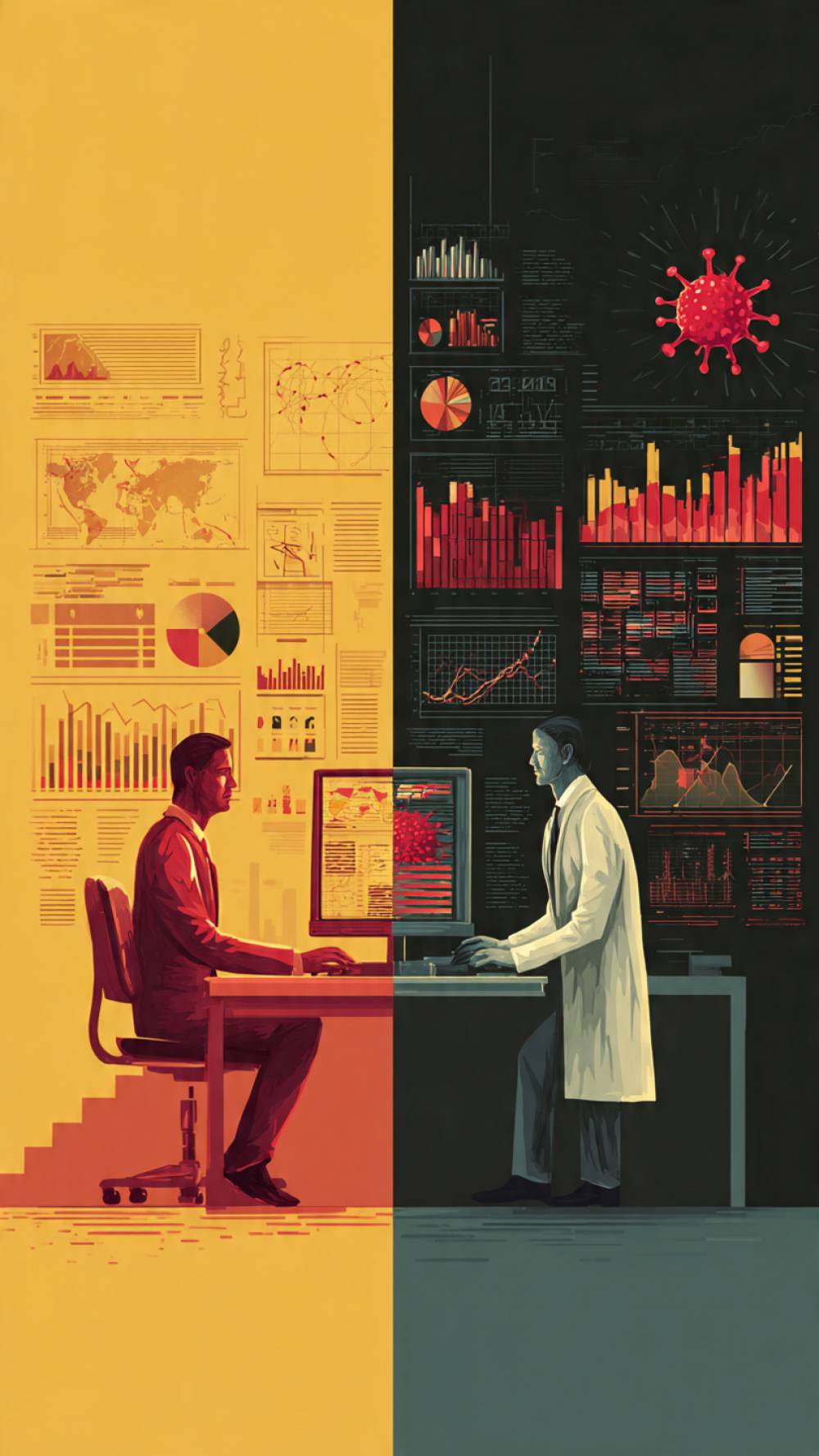
Technology has transformed nearly every industry in the modern world. Businesses, governments, healthcare institutions, financial organizations, and educational systems all rely heavily on digital systems and data-driven operations. As this digital transformation accelerates, two career paths have emerged as some of the most in-demand professions globally: Cybersecurity and Data Analytics.
Both fields play critical roles in today’s technology-driven economy. Cybersecurity professionals protect digital systems, networks, and sensitive information from cyber threats, while data analysts interpret complex data to help organizations make smarter business decisions.
The rise of artificial intelligence, cloud computing, remote work, and big data has increased the importance of both industries. However, many students, career changers, and technology professionals still ask an important question: which career has better future demand?
The answer depends on multiple factors including global job growth, salary potential, automation risks, skill requirements, industry applications, long-term stability, and technological evolution.
This article explores the future of Cybersecurity and Data Analytics in depth, comparing their growth trajectories, opportunities, challenges, and long-term career prospects to determine which field may offer stronger future demand.
What Is Cybersecurity?
Cybersecurity refers to the protection of digital systems, networks, software, and data from cyberattacks, unauthorized access, and digital threats. It involves securing computer systems against hackers, malware, ransomware, phishing attacks, and data breaches.
Cybersecurity professionals work to identify vulnerabilities, monitor threats, and implement protective measures to ensure digital safety.
Major Areas of Cybersecurity
Cybersecurity is a broad field that includes several specialized areas such as:
- Network security
- Cloud security
- Ethical hacking
- Information security
- Application security
- Digital forensics
- Incident response
- Identity and access management
- Security operations
As cyber threats become more sophisticated, organizations increasingly require specialized cybersecurity expertise.
Understanding Data Analytics
What Is Data Analytics?
Data Analytics involves collecting, organizing, analyzing, and interpreting data to identify trends, patterns, and insights that support decision-making.
Businesses generate massive amounts of data daily through customer interactions, transactions, social media, online behavior, and operational systems. Data analysts help organizations transform this raw data into actionable intelligence.
Major Areas of Data Analytics
The field includes various branches such as:
- Business analytics
- Predictive analytics
- Data visualization
- Big data analytics
- Marketing analytics
- Financial analytics
- Machine learning analytics
- Customer behavior analysis
Data analytics has become essential for organizations seeking competitive advantages in highly digital markets.
Why Cybersecurity Demand Is Rising
Increasing Cyber Threats Worldwide
One of the biggest reasons cybersecurity demand continues to grow is the rapid increase in cybercrime.
Modern cyber threats include:
- Ransomware attacks
- Identity theft
- Data breaches
- Financial fraud
- State-sponsored cyber warfare
- Cloud security attacks
- AI-powered hacking
Businesses lose billions of dollars annually due to cybercrime. As a result, organizations are investing heavily in cybersecurity infrastructure and talent.
The more the world becomes digitally connected, the more vulnerable systems become to cyberattacks.
Digital Transformation Across Industries
Nearly every industry now depends on digital systems.
Examples include:
- Online banking
- E-commerce
- Cloud computing
- Remote work systems
- Smart devices
- Digital healthcare records
- Online education platforms
Each digital system creates new security risks, increasing the need for cybersecurity professionals.
Cybersecurity is no longer optional. It has become a business necessity.
Government Regulations and Compliance
Governments worldwide are introducing stricter data protection laws and cybersecurity regulations.
Organizations must comply with standards related to:
- Customer privacy
- Financial data security
- Healthcare data protection
- Cloud security requirements
This regulatory pressure further increases demand for cybersecurity experts who understand compliance frameworks and security standards.
Why Data Analytics Demand Is Rising
The Explosion of Data
Data is often called the “new oil” because of its economic value.
Every day, billions of people generate enormous amounts of data through:
- Social media
- Online purchases
- Mobile apps
- Smart devices
- Search engines
- Streaming platforms
Organizations need skilled professionals to interpret this data effectively.
Without data analysis, businesses struggle to understand customers, improve operations, or compete effectively.
Data-Driven Decision Making
Modern companies rely heavily on data-driven strategies.
Data analytics helps organizations:
- Predict customer behavior
- Improve marketing campaigns
- Increase profits
- Reduce operational costs
- Identify market trends
- Improve customer experiences
Executives increasingly depend on analytical insights for strategic planning.
As competition intensifies globally, businesses that fail to use data effectively risk falling behind.
Artificial Intelligence and Big Data Growth
The growth of AI and machine learning has significantly increased demand for data professionals.
AI systems require:
- Large datasets
- Data cleaning
- Data interpretation
- Predictive modeling
Data analysts and data scientists are essential for training and managing intelligent systems.
As AI adoption grows, data-related careers are expected to expand further.
Comparing Future Job Demand
Cybersecurity Job Outlook
Cybersecurity consistently ranks among the fastest-growing technology careers worldwide.
Reasons include:
- Increasing cybercrime
- Rising cloud adoption
- Remote work vulnerabilities
- National security concerns
- Shortage of skilled professionals
Many countries face severe cybersecurity talent shortages, creating strong long-term demand.
Some reports estimate millions of unfilled cybersecurity jobs globally.
This shortage makes cybersecurity one of the most secure career paths for the future.
Data Analytics Job Outlook
Data analytics also shows exceptional growth potential.
Organizations across industries need professionals who can:
- Analyze customer behavior
- Interpret market trends
- Optimize business performance
- Support AI development
Data-driven operations are becoming standard in nearly every sector.
However, entry-level data analytics positions may become increasingly competitive due to the growing popularity of the field.
Salary Comparison
Cybersecurity Salaries
Cybersecurity professionals often earn high salaries due to the specialized nature of the work and the global talent shortage.
High-paying cybersecurity roles include:
- Security architect
- Ethical hacker
- Cloud security engineer
- Chief Information Security Officer (CISO)
- Penetration tester
Experienced cybersecurity experts can earn extremely competitive salaries globally.
Cybersecurity salaries also tend to increase rapidly with certifications and practical experience.
Data Analytics Salaries
Data analytics professionals also enjoy strong earning potential.
Top-paying roles include:
- Data scientist
- Machine learning engineer
- Business intelligence analyst
- AI analyst
- Analytics consultant
Salaries vary depending on technical expertise, programming skills, and industry specialization.
Professionals with strong AI and machine learning skills often command premium salaries.
Skill Requirements
Skills Needed for Cybersecurity
Cybersecurity requires technical expertise and problem-solving abilities.
Important skills include:
- Network security
- Ethical hacking
- Risk assessment
- Cloud security
- Programming knowledge
- Incident response
- Security tools and frameworks
Cybersecurity professionals must also stay updated because cyber threats evolve constantly.
Continuous learning is essential in this field.
Skills Needed for Data Analytics
Data analytics combines technical, mathematical, and business skills.
Key competencies include:
- Data visualization
- SQL
- Python or R programming
- Statistical analysis
- Machine learning basics
- Business intelligence tools
- Communication skills
Data analysts must interpret complex information and present insights clearly to decision-makers.
AI and Automation Impact
Will AI Replace Cybersecurity Jobs?
AI is transforming cybersecurity, but it is unlikely to replace human professionals entirely.
AI can automate tasks such as:
- Threat detection
- Security monitoring
- Malware analysis
However, cybercriminals also use AI to create more advanced attacks.
Human expertise remains essential for:
- Strategic defense planning
- Ethical decision-making
- Complex investigations
- Incident response
AI will likely increase cybersecurity demand rather than eliminate it.
Will AI Replace Data Analytics Jobs?
AI poses a greater automation risk to basic data analytics tasks.
Modern AI systems can already:
- Generate reports
- Analyze trends
- Visualize data
- Automate dashboards
However, advanced analytical thinking, business interpretation, and strategic insight still require human expertise.
Data professionals who focus on AI, machine learning, and advanced analytics will remain highly valuable.
Industry Versatility
Cybersecurity Across Industries
Cybersecurity professionals are needed in nearly every sector, including:
- Banking
- Healthcare
- Government
- Military
- Technology
- E-commerce
- Telecommunications
Because digital security affects all industries, cybersecurity careers offer excellent flexibility and mobility.
Data Analytics Across Industries
Data analytics is equally versatile.
Industries using analytics include:
- Marketing
- Finance
- Retail
- Healthcare
- Sports
- Entertainment
- Logistics
Data-driven decision-making is becoming universal, increasing demand for analytics professionals globally.
Barriers to Entry
Entering Cybersecurity
Cybersecurity can be challenging for beginners because it often requires:
- Technical networking knowledge
- Security certifications
- Hands-on experience
- Understanding of operating systems
However, the field offers strong career progression for motivated learners.
Popular certifications include:
- CompTIA Security+
- Certified Ethical Hacker (CEH)
- CISSP
- Certified Cloud Security Professional (CCSP)
Entering Data Analytics
Data analytics is often considered more beginner-friendly.
Many people enter the field through:
- Online courses
- Bootcamps
- Self-learning
- Business backgrounds
Entry-level analytics positions may be easier to access compared to cybersecurity roles.
However, advanced positions increasingly require stronger technical and statistical expertise.
Job Stability and Long-Term Security
Cybersecurity Stability
Cybersecurity may offer stronger long-term job security because cyber threats will continue evolving indefinitely.
As long as digital systems exist, organizations will require security professionals.
Cybersecurity is considered recession-resistant because companies cannot afford to neglect digital protection.
Data Analytics Stability
Data analytics also offers strong long-term prospects, but some lower-level analytical tasks may become automated over time.
Professionals who continuously upgrade their skills in AI, machine learning, and advanced analytics will remain highly competitive.
Remote Work Opportunities
Cybersecurity Remote Careers
Cybersecurity offers excellent remote work opportunities, including:
- Security monitoring
- Penetration testing
- Cloud security management
- Risk analysis
Many companies now hire remote cybersecurity professionals globally.
Data Analytics Remote Careers
Data analytics is also highly remote-friendly.
Analysts can work from anywhere while handling:
- Dashboards
- Data reports
- Business insights
- Market analysis
This flexibility makes both careers attractive for digital professionals.
Which Career Has Greater Future Demand?
The Case for Cybersecurity
Cybersecurity may have stronger future demand because:
- Cybercrime is rapidly increasing
- Global talent shortages remain severe
- Digital transformation continues expanding
- Governments prioritize national cybersecurity
- AI creates new security risks
The urgency of digital protection makes cybersecurity essential for modern society.
Organizations cannot operate safely without cybersecurity professionals.
The Case for Data Analytics
Data analytics remains highly valuable because:
- Data-driven business models dominate modern economies
- AI depends heavily on data
- Businesses need predictive insights
- Customer behavior analysis drives profitability
However, automation may reduce demand for some lower-level analytical roles over time.
Advanced analytics specialists will remain highly valuable.
Which Career Should You Choose?
Choose Cybersecurity If You Enjoy:
- Problem-solving
- Ethical hacking
- Network systems
- Digital defense
- High-pressure environments
- Security investigations
Cybersecurity suits people who enjoy protecting systems and responding to evolving threats.
Choose Data Analytics If You Enjoy:
- Working with numbers
- Finding patterns
- Business strategy
- Data visualization
- Predictive analysis
- Research and insights
Data analytics is ideal for individuals who enjoy interpreting information and solving business problems.
The Future May Combine Both Fields
Interestingly, the future may increasingly blend cybersecurity and data analytics.
Modern cybersecurity already relies heavily on:
- Threat intelligence analytics
- Behavioral analysis
- AI-powered detection systems
- Security data analysis
Professionals who combine cybersecurity knowledge with data analytics expertise may become especially valuable in the future job market.
Hybrid skill sets often create stronger career opportunities.
Conclusion
Cybersecurity and Data Analytics are both among the most promising technology careers of the future. Each field offers strong salaries, global demand, remote work flexibility, and long-term career opportunities.
Data analytics plays a crucial role in helping organizations make smarter decisions using data-driven insights. It powers modern business intelligence, AI systems, and digital transformation strategies.
Cybersecurity, however, may hold a slight advantage in future demand because the world’s growing dependence on digital infrastructure creates constant security risks. As cybercrime becomes more sophisticated, organizations, governments, and individuals will increasingly rely on cybersecurity professionals to protect critical systems and sensitive information.
Additionally, cybersecurity faces a larger global talent shortage, making skilled professionals extremely valuable.
That said, both careers are excellent choices. The best option ultimately depends on your interests, strengths, and long-term goals. Those who enjoy security, defense, and technical problem-solving may thrive in cybersecurity, while those passionate about data interpretation, business intelligence, and analytics may excel in data analytics.
In the future digital economy, both professions will remain essential pillars of technological progress.