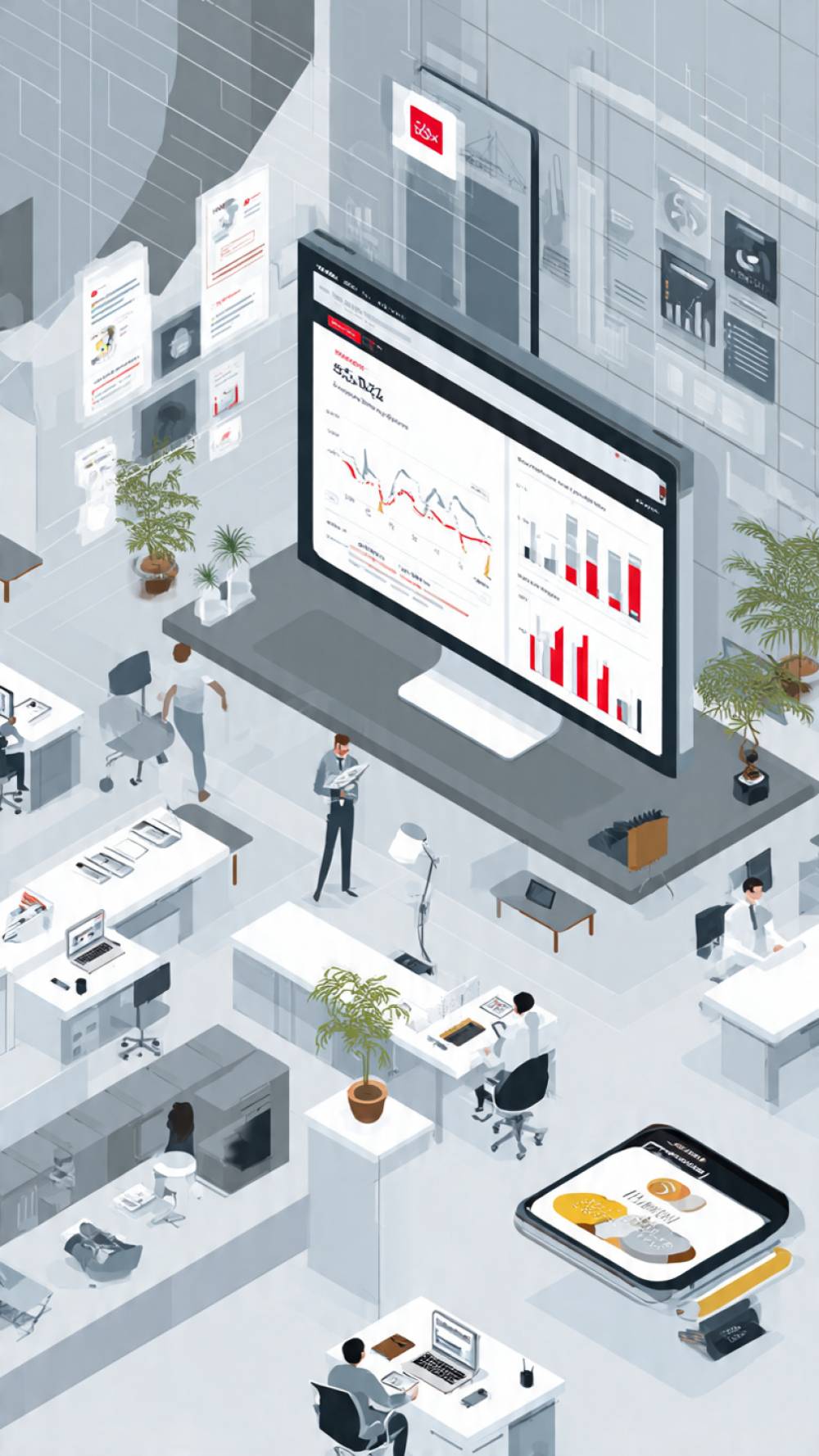
Over the past decade, subscription models have become one of the most important shifts in the technology industry. Instead of selling software or services as one-time purchases, many tech companies now offer ongoing access through monthly or yearly payments.
This change has affected everything from software and entertainment to cloud services and productivity tools. It has also changed how companies design products, engage customers, and generate revenue.
Subscription models are now a central part of how modern tech businesses operate.
From One-Time Sales to Recurring Revenue
Traditionally, tech companies relied on one-time sales. Customers would buy a product once and use it indefinitely. While this model worked in the past, it created unpredictable revenue streams.
Subscription models introduced recurring revenue, which provides:
-
More stable income for companies
-
Better financial forecasting
-
Long-term customer relationships
-
Continuous product updates
This shift has made business planning more predictable and scalable.
Software as a Service (SaaS) Growth
One of the biggest drivers of subscription models is Software as a Service, often called SaaS. Instead of installing software on a device, users access it through the cloud.
SaaS platforms typically offer:
-
Monthly or yearly subscription plans
-
Continuous updates and improvements
-
Cloud-based access from any device
-
Scalable pricing for individuals and businesses
This model has become standard for tools like productivity software, design platforms, and business applications.
Improved Customer Retention
Subscription models encourage companies to focus more on long-term customer satisfaction. Since users can cancel at any time, businesses must continuously provide value.
This leads to:
-
Better product updates
-
Improved customer support
-
Regular feature improvements
-
More user-focused development
Retention becomes more important than one-time sales.
Lower Entry Barriers for Users
Subscriptions make it easier for users to access expensive software or services. Instead of paying a large upfront cost, users can pay smaller recurring fees.
This benefits users by:
-
Reducing upfront financial pressure
-
Allowing flexible cancellation
-
Enabling access to premium tools
-
Making advanced software more affordable
This has expanded access to technology across different user groups.
Continuous Product Development
Subscription models encourage ongoing development rather than one-time product releases. Companies must keep improving their products to retain subscribers.
This results in:
-
Frequent feature updates
-
Faster bug fixes
-
Improved user experience over time
-
Continuous innovation
Products are no longer static. They evolve continuously based on user feedback.
Data-Driven Business Decisions
Subscription platforms collect ongoing user data, which helps companies make better decisions.
This data is used to:
-
Track user behavior and engagement
-
Identify popular features
-
Improve product design
-
Predict customer churn
Data becomes a key asset in improving business performance.
Pricing Flexibility and Tiered Models
Subscription businesses often use tiered pricing structures to serve different types of customers.
Common tiers include:
-
Basic plans for individual users
-
Professional plans for advanced users
-
Enterprise plans for large organizations
This allows companies to serve a wider market while maximizing revenue potential.
Customer Relationships Become Central
In subscription models, the relationship with the customer does not end after purchase. It continues throughout the subscription period.
This means companies must:
-
Maintain ongoing communication
-
Provide consistent support
-
Deliver regular value updates
-
Build long-term trust
Customer relationships become a core business asset.
Challenges of Subscription-Based Tech Models
Despite their benefits, subscription models also come with challenges.
Some of these include:
-
Subscription fatigue among users
-
High competition in SaaS markets
-
Difficulty retaining long-term customers
-
Pressure to continuously deliver updates
If users do not see ongoing value, they may cancel quickly.
The Role of Cloud Computing
Cloud computing has made subscription models easier to implement. Instead of distributing software physically, companies can deliver services online.
Cloud systems enable:
-
Real-time updates
-
Scalable infrastructure
-
Remote access from any device
-
Lower distribution costs
This has supported the rapid growth of subscription-based tech services.
The Future of Subscription Models in Tech
Subscription models are expected to continue evolving. They will likely become more personalized and flexible over time.
Future trends include:
-
Usage-based subscription pricing
-
AI-personalized service bundles
-
Combined subscription ecosystems across platforms
-
More flexible cancellation and upgrade options
Businesses will focus more on long-term value rather than short-term sales.
Conclusion
Subscription models have transformed how tech businesses operate by shifting the focus from one-time sales to ongoing relationships. This change has improved revenue stability, encouraged continuous product development, and made advanced technology more accessible.
As the digital economy grows, subscription-based systems will continue to shape the future of the tech industry.