
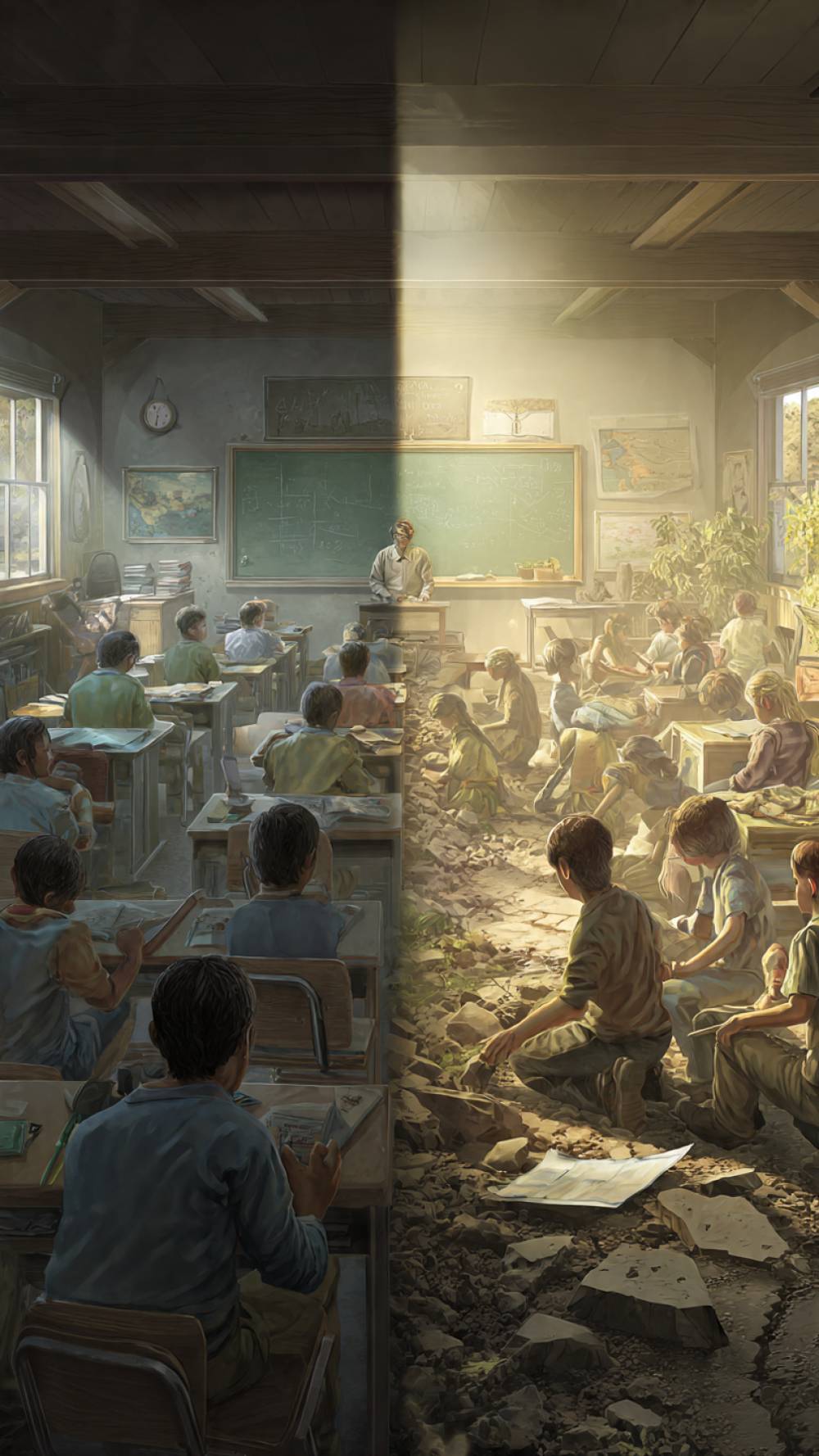
Education has always been the foundation of personal growth and societal development. For decades, traditional classroom education dominated schools and universities around the world. Students attended lectures, memorized concepts, completed exams, and advanced through standardized systems designed to measure academic performance. However, as industries evolve and workplaces demand more practical skills, a new approach has gained popularity: project-based learning (PBL).
The debate between classroom education and project-based learning has become increasingly important in modern education systems. Parents, educators, policymakers, and employers are asking the same question: Which method better prepares students for real-world success?
While traditional classroom education provides structure, discipline, and theoretical knowledge, project-based learning focuses on practical experience, collaboration, creativity, and problem-solving. Both approaches offer unique advantages and challenges, and understanding these differences can help educators create more effective learning environments.
This article explores the key differences between classroom education and project-based learning, their strengths and weaknesses, and how combining both methods may offer the best educational outcomes for future generations.
Understanding Traditional Classroom Education
Traditional classroom education is the most widely recognized learning model. In this system, teachers act as the primary source of information, while students listen, take notes, complete assignments, and pass examinations.
The structure is usually standardized, with fixed curricula, scheduled lessons, and assessment methods that evaluate academic understanding. This approach has existed for centuries and remains the foundation of many educational institutions worldwide.
Key Features of Classroom Education
Traditional classroom education typically includes:
- Teacher-centered instruction
- Fixed curriculum and syllabus
- Textbook-based learning
- Standardized examinations
- Individual performance assessment
- Structured classroom environment
Students often learn concepts through lectures, reading materials, and written assignments. Success is measured through grades, exams, and attendance.
Advantages of Classroom Education
One of the greatest strengths of classroom education is its ability to provide structured academic knowledge. Subjects such as mathematics, science, literature, and history require foundational theories and principles that are effectively taught in organized classroom settings.
Students gain systematic exposure to information, ensuring that learning follows a logical progression.
Traditional classrooms also help students develop discipline, punctuality, and responsibility. Scheduled classes, deadlines, and examinations encourage time management and consistency. These routines prepare students for professional environments where accountability and organization are essential.
Teachers in classroom settings provide direct instruction and clarification. Their expertise helps students understand difficult concepts and receive immediate feedback. Experienced educators can identify student weaknesses and adapt teaching methods to improve understanding.
Another advantage is standardized assessment. Classroom education uses measurable systems that allow schools and universities to evaluate student performance fairly. Exams and grading systems help maintain educational standards across institutions.
Traditional classrooms also provide opportunities for face-to-face interaction with peers and teachers. Students develop communication skills, teamwork abilities, and social confidence through daily engagement.
Limitations of Classroom Education
Despite its strengths, classroom education faces criticism for several reasons.
Traditional learning often focuses heavily on theory rather than practical experience. Students may memorize information without fully understanding how to apply it in real-life situations. As a result, graduates sometimes struggle to transition from academic environments into professional workplaces.
In many classrooms, students become passive recipients of information rather than active participants in the learning process. Listening to lectures for extended periods may reduce creativity, curiosity, and independent thinking.
Traditional education systems also tend to follow standardized teaching methods that may not accommodate different learning styles. Some students excel through visual or hands-on learning, while others perform better through discussion or experimentation.
Additionally, examination-focused systems can create pressure and anxiety among students. Many learners prioritize memorization for tests instead of deep understanding and long-term skill development.
What Is Project-Based Learning?
Project-based learning is a student-centered educational approach where learners gain knowledge and skills by actively working on real-world projects and challenges.
Instead of relying primarily on lectures and textbooks, students engage in activities that require research, collaboration, creativity, critical thinking, and practical problem-solving.
In project-based learning environments, teachers act more as facilitators or mentors rather than sole sources of information.
Key Features of Project-Based Learning
Project-based learning typically includes:
- Real-world problem solving
- Collaborative teamwork
- Hands-on activities
- Research-based learning
- Student-driven exploration
- Creative presentations and solutions
- Continuous feedback and reflection
Projects may involve designing products, solving community issues, conducting scientific investigations, creating business plans, or developing technological solutions.
Advantages of Project-Based Learning
One of the biggest advantages of project-based learning is its focus on practical skills. Students learn how to apply knowledge in realistic situations while developing critical thinking, communication, teamwork, leadership, creativity, and time management abilities.
Students are often more motivated when working on meaningful projects. Hands-on activities make learning interactive and enjoyable. When learners see the real-world relevance of their work, they become more invested in the learning process.
Project-based learning also promotes self-direction and curiosity. Students take responsibility for research, planning, and execution, helping them become lifelong learners capable of adapting to changing environments.
Research suggests that students retain information more effectively when they actively apply concepts rather than simply memorize them. Experiential learning creates stronger connections between theory and practice.
Another major benefit is creativity. Project-based environments encourage experimentation and original thinking. Students are free to explore multiple solutions rather than searching for one correct answer.
Challenges of Project-Based Learning
Although project-based learning offers many benefits, it also presents certain challenges.
Unlike traditional exams, evaluating projects can be subjective. Different students may contribute unevenly in group settings, making assessment more complex.
Project-based learning often requires additional materials, technology, workspace, and teacher training. Not all schools have sufficient funding or infrastructure to implement large-scale programs effectively.
Projects can also require significant time for planning, research, collaboration, and presentation. This may limit the amount of content covered during an academic term.
Another issue is unequal participation. In group projects, some students may contribute more than others. Without proper supervision, less active students may rely heavily on teammates.
Finally, if not balanced properly, project-based learning may overlook foundational theories and academic depth. Students still need strong conceptual understanding alongside practical experience.
Classroom Education vs Project-Based Learning: Key Differences
Traditional classrooms are teacher-centered, while project-based learning is student-centered. In classroom education, teachers primarily deliver information. In PBL, students actively explore and discover knowledge themselves.
Classroom learning focuses on lectures, textbooks, and exams. Project-based learning emphasizes hands-on activities, collaboration, and real-world applications.
Traditional education often encourages passive listening, whereas project-based learning requires active participation and initiative.
Classroom education strengthens theoretical understanding and academic discipline. Project-based learning builds practical, interpersonal, and problem-solving skills.
Traditional systems rely heavily on standardized testing, while project-based learning uses presentations, reports, prototypes, and collaborative outcomes for evaluation.
Which Approach Is Better?
The answer depends on educational goals, student needs, and career objectives.
Traditional classroom education remains highly effective for teaching foundational concepts, especially in subjects requiring sequential knowledge such as mathematics, medicine, and law.
Project-based learning excels in developing practical abilities and preparing students for dynamic work environments that value innovation and adaptability.
Rather than viewing these methods as competitors, many experts believe the best educational systems combine both approaches.
The Rise of Hybrid Learning Models
Modern schools and universities increasingly integrate project-based learning into traditional classrooms.
This hybrid approach allows students to gain theoretical knowledge while applying concepts through practical experiences.
For example:
- Science students may conduct experiments and research projects.
- Business students may develop startup ideas and marketing campaigns.
- Engineering students may build prototypes and solve technical challenges.
- Literature students may create multimedia storytelling projects.
Combining structured instruction with experiential learning creates more balanced educational outcomes.
The Role of Technology in Modern Learning
Technology has accelerated the growth of project-based learning by providing access to online resources, collaboration tools, and digital platforms.
Students can now work remotely on team projects, access virtual simulations, conduct online research, build digital portfolios, and create multimedia presentations.
Educational technology also supports personalized learning experiences that accommodate different learning styles.
At the same time, traditional classrooms have evolved through smart boards, online learning systems, and blended teaching methods.
Impact on Career Readiness
Employers increasingly seek candidates with both technical knowledge and soft skills.
Many graduates possess academic qualifications but lack practical experience, communication abilities, or problem-solving confidence.
Project-based learning addresses this gap by exposing students to real-world challenges before entering the workforce.
Students who participate in PBL often demonstrate greater adaptability, stronger collaboration skills, better communication, increased confidence, and higher creativity.
However, strong academic foundations remain essential for professional competence. The most career-ready individuals typically combine theoretical expertise with practical experience.
How Teachers Benefit from Project-Based Learning
Teachers also gain advantages from project-based approaches.
Instead of delivering repetitive lectures, educators become mentors who guide exploration and innovation. This can create more engaging classroom experiences and stronger teacher-student relationships.
Teachers can also observe students applying knowledge in meaningful ways rather than simply memorizing information for tests.
The Future of Education
As automation, artificial intelligence, and digital transformation reshape industries, education systems must adapt accordingly.
Future careers will require:
- Critical thinking
- Creativity
- Collaboration
- Emotional intelligence
- Digital literacy
- Continuous learning
Project-based learning aligns closely with these demands, but traditional education remains necessary for foundational academic knowledge.
The future of education will likely involve flexible learning environments that integrate both structured instruction and experiential learning opportunities.
Educational institutions that successfully balance these methods may better prepare students for future challenges.
Conclusion
The debate between classroom education and project-based learning is not about choosing one method over the other. Both approaches offer valuable benefits and address different aspects of student development.
Traditional classroom education provides structure, discipline, theoretical understanding, and standardized evaluation. It builds the academic foundation necessary for advanced learning and professional expertise.
Project-based learning, on the other hand, promotes creativity, collaboration, practical problem-solving, and real-world application. It prepares students for modern workplaces that demand adaptability and innovation.
The most effective educational systems recognize that students need both knowledge and experience. By combining classroom instruction with project-based activities, educators can create balanced learning environments that nurture intellectual growth, practical skills, and lifelong learning abilities.
As education continues to evolve, the integration of these approaches may become the key to preparing future generations for success in an increasingly complex and competitive world.


