RCM Certification In Australia: What Manufacturers Need To Know
For manufacturers aiming to introduce products into the Australian market, navigating compliance regulations is essential. Among the myriad of certifications required, RCM (Regulatory Compliance Mark) certification stands out as a critical mandate for electrical and electronic products. Understanding the RCM framework, safety obligations, and documentation requirements is vital for ensuring smooth market entry and avoiding potential legal complications. This article delves into the key aspects manufacturers need to grasp about RCM certification in Australia.
RCM Certification: A Comprehensive Overview
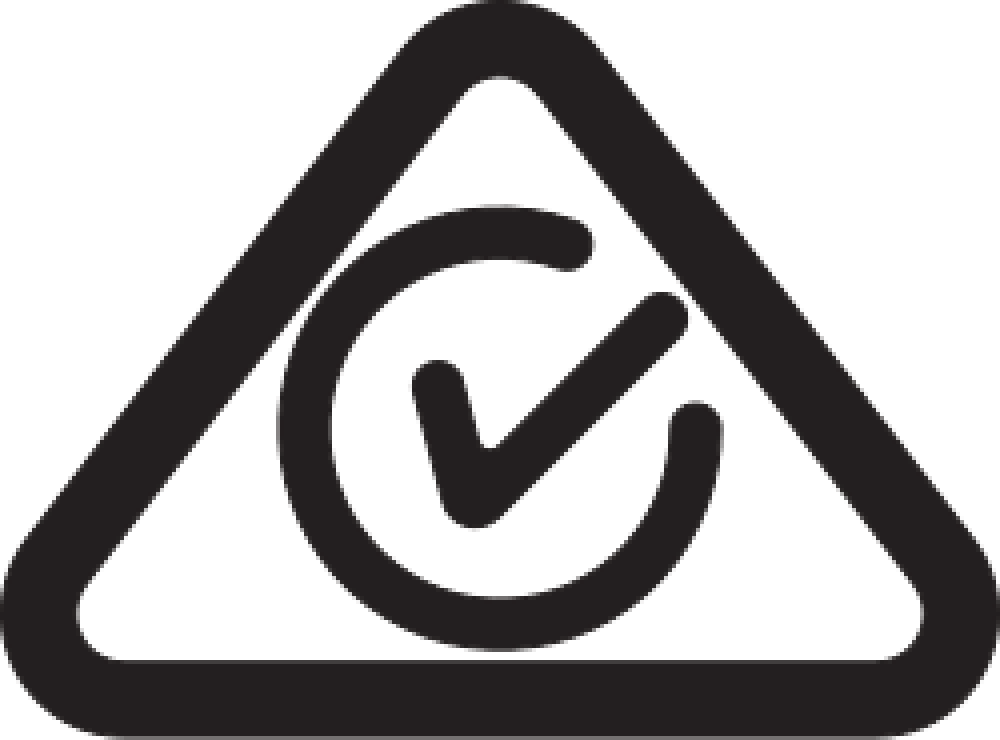
The Regulatory Compliance Mark (RCM) serves as a single regulatory mark for electrical products in Australia and New Zealand. It signifies that the manufacturer’s product meets the relevant standards for electrical safety, electromagnetic compatibility (EMC), and EME (electromagnetic energy). This unified mark aims to streamline regulatory compliance across both countries, thereby simplifying the process for manufacturers targeting these markets.
The RCM framework integrates requirements from different regulatory agencies. In Australia, the framework encompasses input from the Australian Communications and Media Authority (ACMA), the Electrical Regulatory Authorities Council (ERAC), and the Australian Radiation Protection and Nuclear Safety Agency (ARPANSA). Such a collaborative approach ensures comprehensive compliance with safety and technical standards across a spectrum of product categories.
Safety Obligations
Safety obligations form the cornerstone of the RCM certification process. Electrical and electronic products must adhere to stringent safety standards to prevent hazards like electric shock, fire, and radiation-related risks. These safety standards ensure protection for consumers, operators, and service personnel.
Manufacturers must conduct rigorous testing to verify that their products comply with all applicable safety standards. These tests often cover aspects such as insulation resistance, dielectric strength, temperature rise, and leakage current, among others. In many cases, manufacturers might need to partner with accredited testing laboratories to carry out these assessments, as well as to obtain the necessary safety certificates.
Additionally, safety obligations aren’t solely about meeting technical standards. Products must also include appropriate safety warnings, instructions, and labels to guide safe usage. Effective communication of potential risks and proper handling procedures is a regulatory requirement and a critical aspect of product safety.
Documentation Requirements
Compliance with the RCM framework demands meticulous documentation. Manufacturers are responsible for maintaining and providing evidence of compliance through a suite of documentation referred to as the "Compliance Folder." This folder typically includes:
Compliance Declarations: A signed declaration affirming that the product complies with all relevant standards and regulations.
Test Reports: Comprehensive test reports from accredited laboratories demonstrating that the product meets the regulatory requirements.
Product Specifications: Detailed descriptions of the product, including schematics, assembly manuals, and component lists.
Risk Assessments: Analyses highlighting the risks associated with the product and the measures taken to mitigate these risks.
Safety Certificates: Certifications from recognized testing bodies that validate the product’s compliance with mandated safety standards.
User Manuals: Instructional documents intended for end-users, outlining safe usage procedures and any necessary precautions.
Registration with ERAC
A pivotal component of the RCM certification process involves registering the product with ERAC (Electrical Regulatory Authorities Council). Registration ensures that the product is officially recognized and compliant with both national and state-level regulations. Manufacturers must register themselves and the specific products that they wish to market in Australia.
During registration, manufacturers are required to provide comprehensive details about their products, including model numbers, brand names, and relevant technical documentation. This data is then recorded in a national database accessible to regulatory authorities and other stakeholders for compliance verification.
SAA Certification
In some instances, manufacturers may also come across SAA certification, especially within the context of electrical safety. While the RCM framework generally covers safety standards, SAA certification (Standards Australia Approval) is an additional endorsement that a product may obtain. It serves as a robust testament to a product's adherence to Australian safety standards and can bolster consumer confidence.
SAA certification involves extensive testing and evaluation against standards set forth by Standards Australia and may complement the RCM certification, particularly for certain high-risk products or when additional certification is required by specific stakeholders.
In summary, obtaining RCM certification is an indispensable step for manufacturers looking to enter the Australian market with electrical and electronic products. This process mandates strict adherence to safety obligations, thorough documentation, and registration with pertinent regulatory bodies. By ensuring compliance with these requirements, manufacturers can not only gain market access but also build consumer trust and safeguard their operations against legal repercussions.